中国小提琴网 - Chinaviolin.NET

 找回密码
 立即注册

QQ登录

只需一步,快速开始

手机号码,快捷登录

手机号码,快捷登录

一本概念与原则都不清不楚论音准的书


2016-3-8 09:46 | 原作者: 安东汉文D | 来自: 中国小提琴论坛(原文)
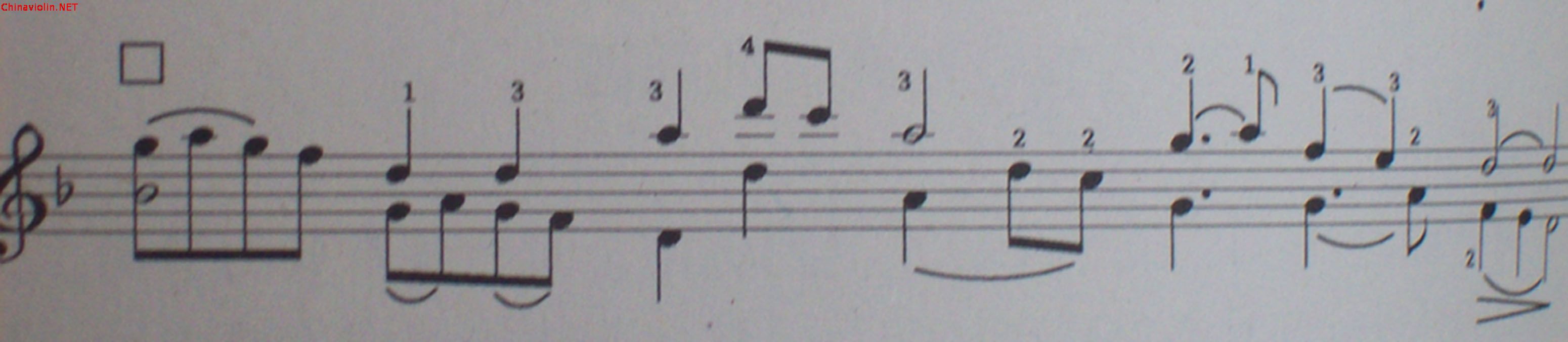
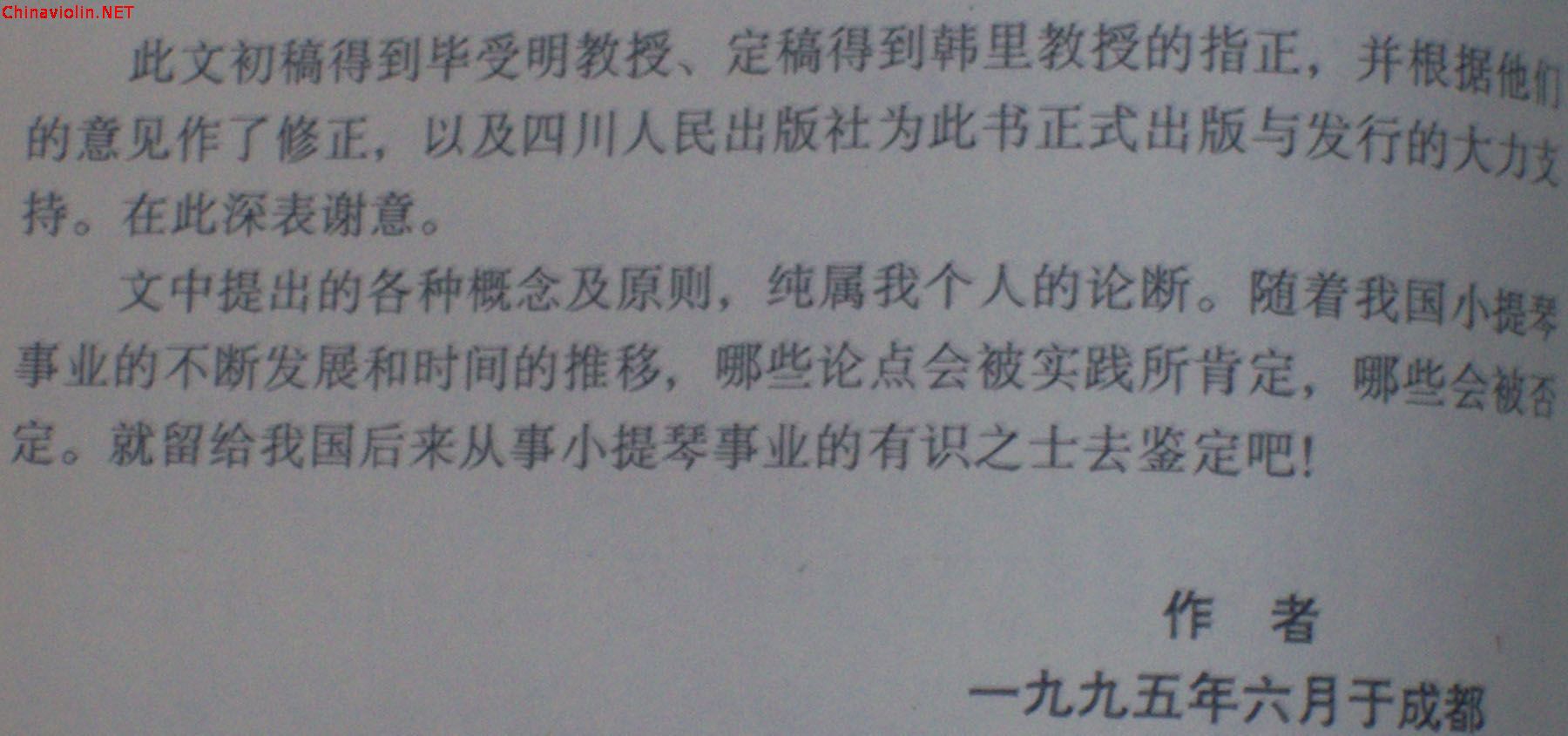
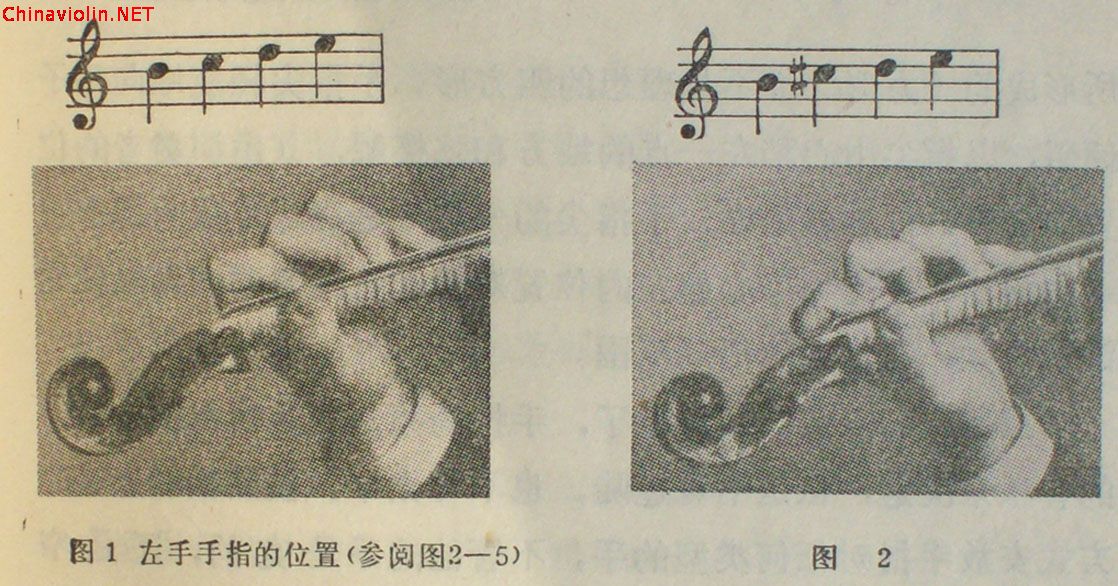
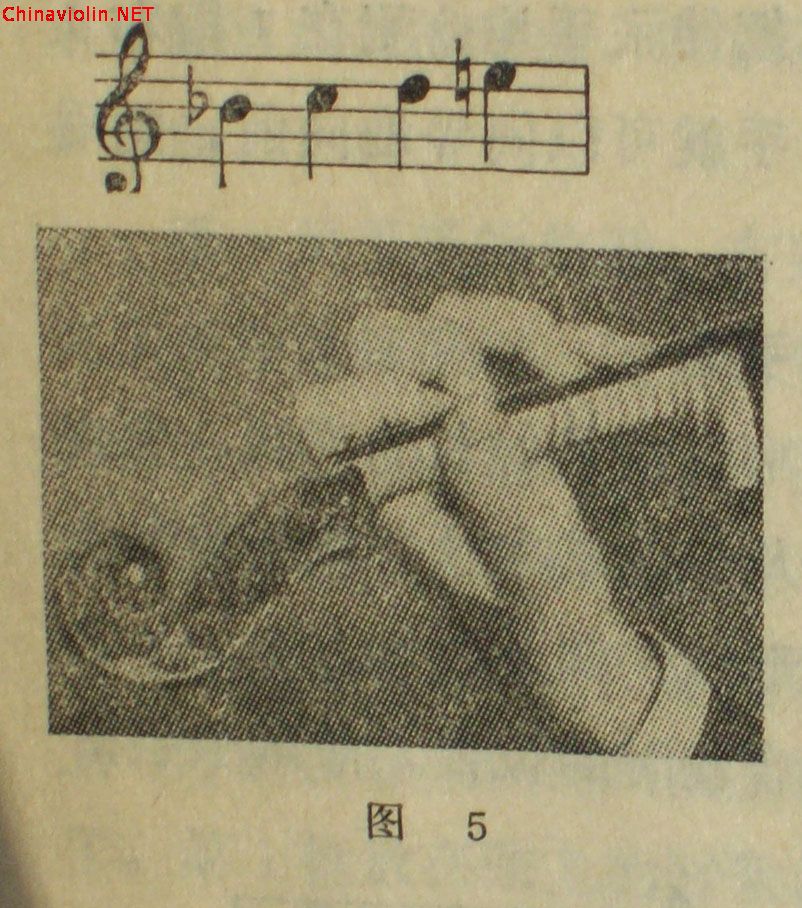
摘要: 最近在淘宝网上淘到一本书最近看了一本书,《小提琴音准的概念及原则》作者:刘德庸,四川人民出版社。以下简称(准概原) (准概原)其中第一章有这样一段话:“以往有许多人,特别是小提琴演奏者,将五度相生律 ...
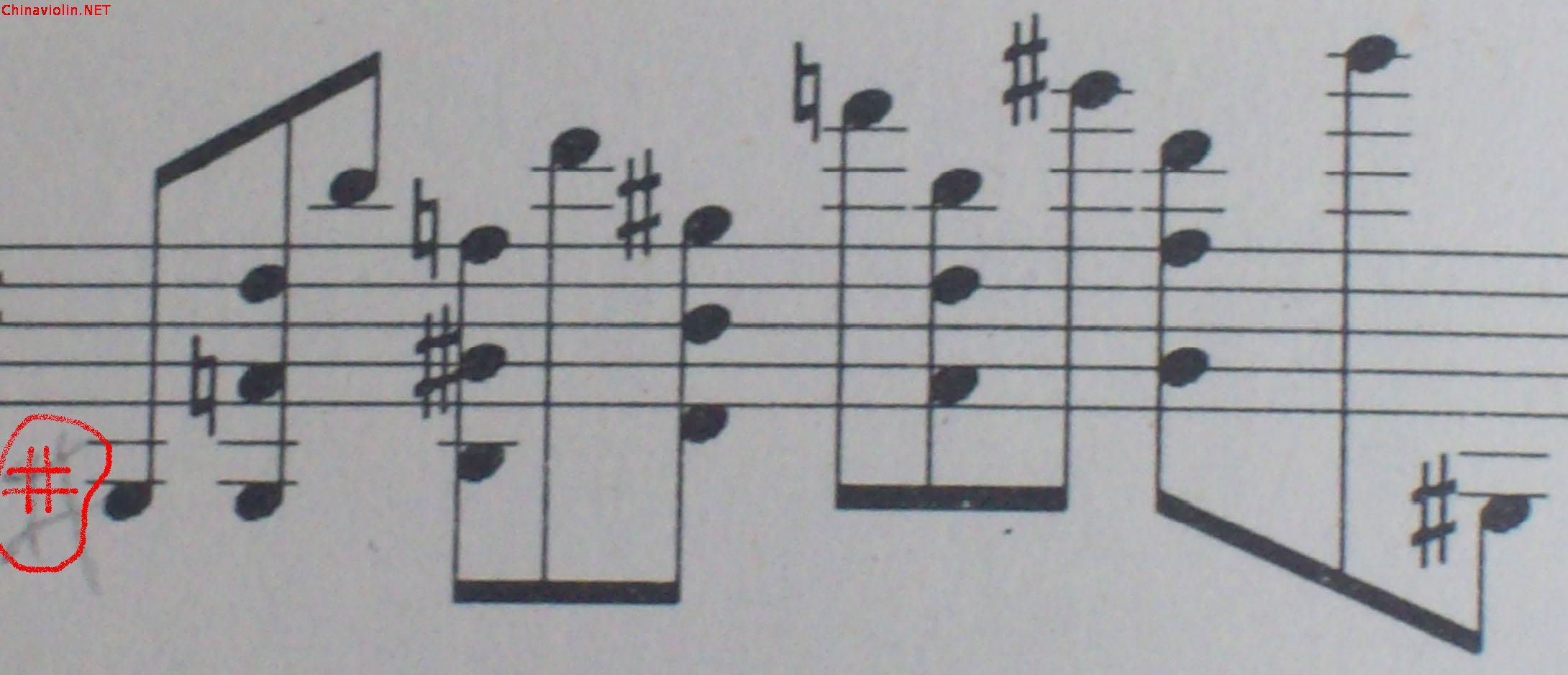
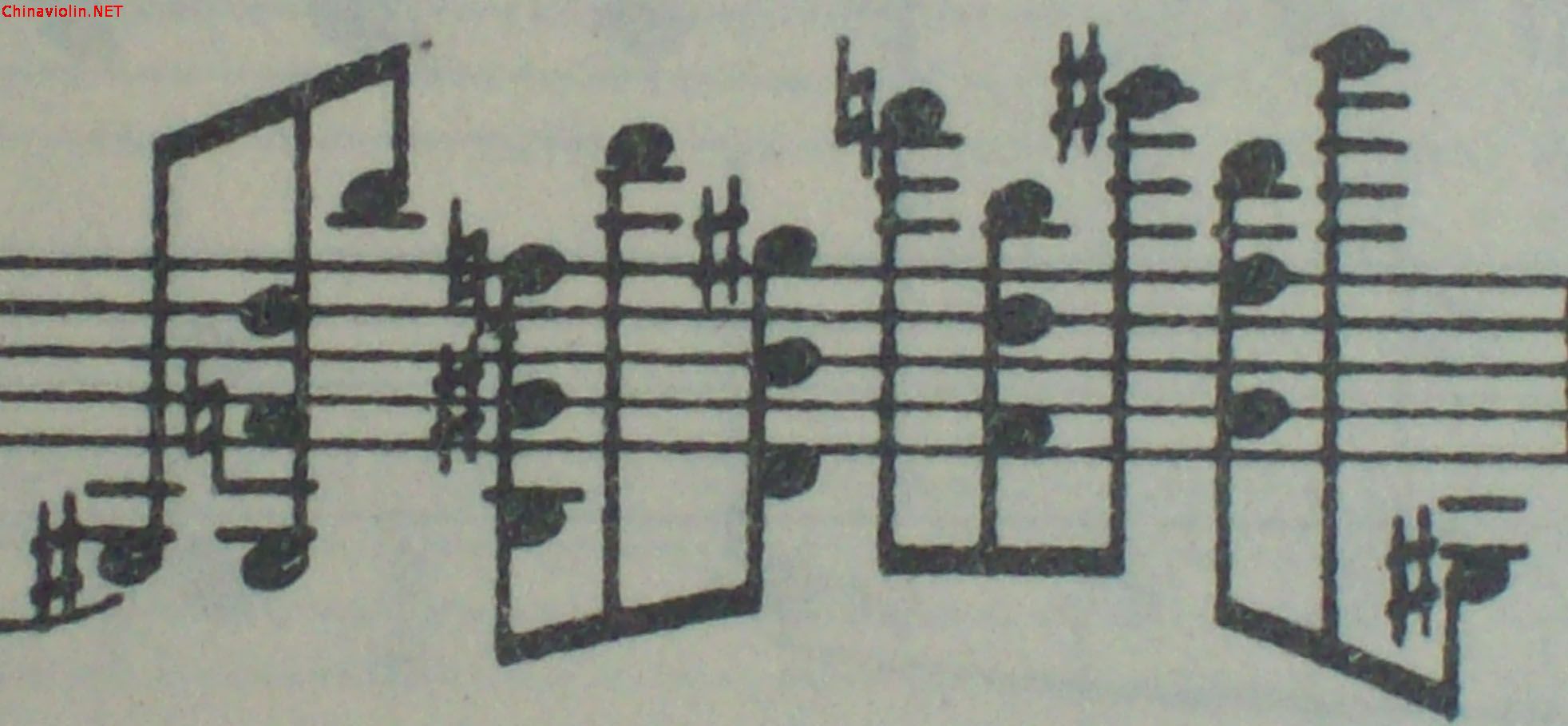
 100_9034.jpg100_9035.jpg
100_9037.jpg
100_9036.jpg
100_9039.jpg
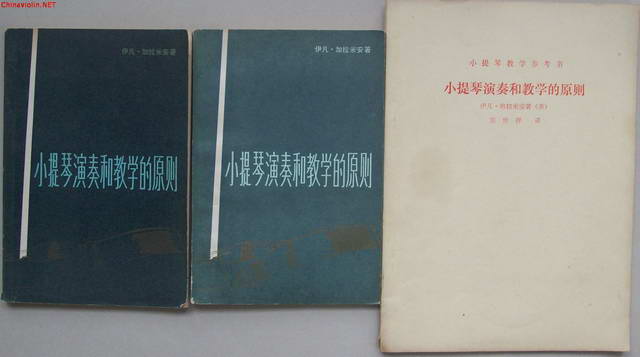
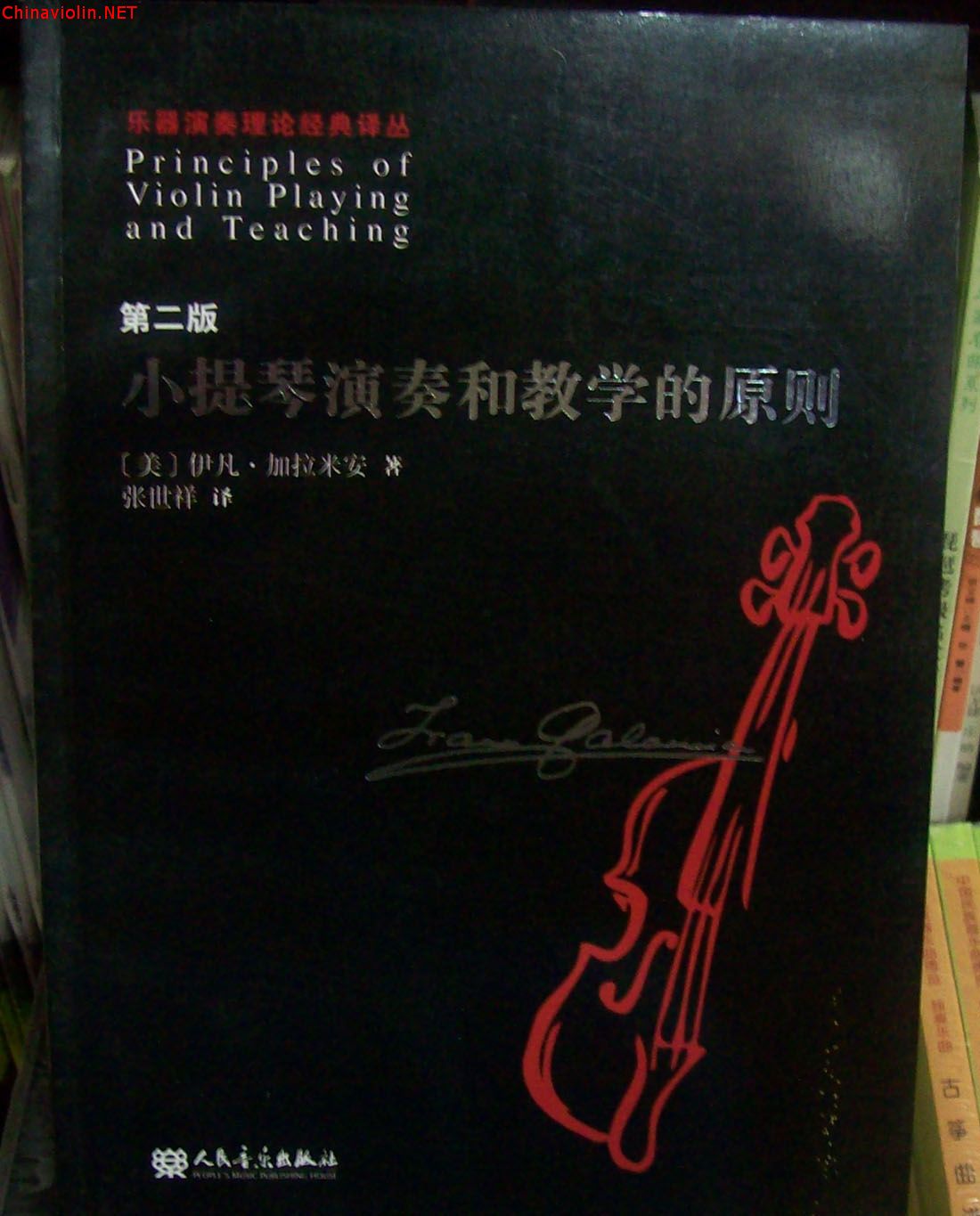
    最近在淘宝网上淘到一本书

最近看了一本书,《小提琴音准的概念及原则》作者:刘德庸,四川人民出版社。以下简称(准概原)


(准概原)其中第一章有这样一段话:“以往有许多人,特别是小提琴演奏者,将五度相生律误称为纯律,其实这两者之间是不同的两种律,为什么会误称呢,大概是由于纯律这三个纯五度关系FCGD与五度相生律相同所致”。

其实并不相同。纯律C大调AEB低,纯律A小调FCG高,只是所有的理论书籍都没有说清楚,或没有说全,或基本上不懂。首先,在大多数情况下纯律主音音高都是建立在五度相生律音高基础上的,也就是说没有五度相生律就没有纯律,纯律的音高生于五度相生律,又不同于五度相生律。

纯律的振动数如下:

        C         D          E          F         G          A         B         C

振动数  261.00  293.63  326.25  348.00  391.50  435.00  489.38  522.00

五度相生律的振动如下:

       C         D         E          F          G         A          B         C

振动数  261.00  293.63  330.33  348.00  391.50  440.44  495.47  522.00

以上是很多人都熟悉的两律各自的振动数,也是很多乐理书籍都介绍说明过的。

下面我要介绍的纯律振动数是很多人都不知道的,乐理书籍也无记载。但提琴类乐器是必须用到的。这就是A小调纯律的振动数如下:

        C         D          E          F         G         A          B         C

振动数  264.97  293.63  330.33  353.29  397.47  440.44  495.47  529.94

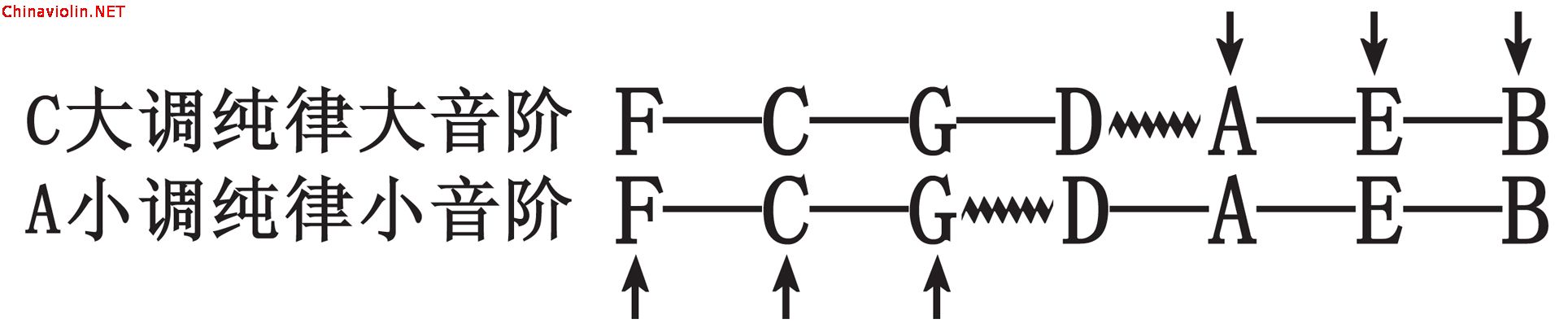
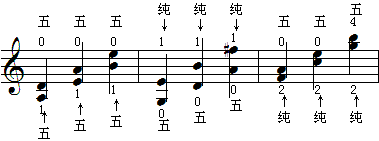
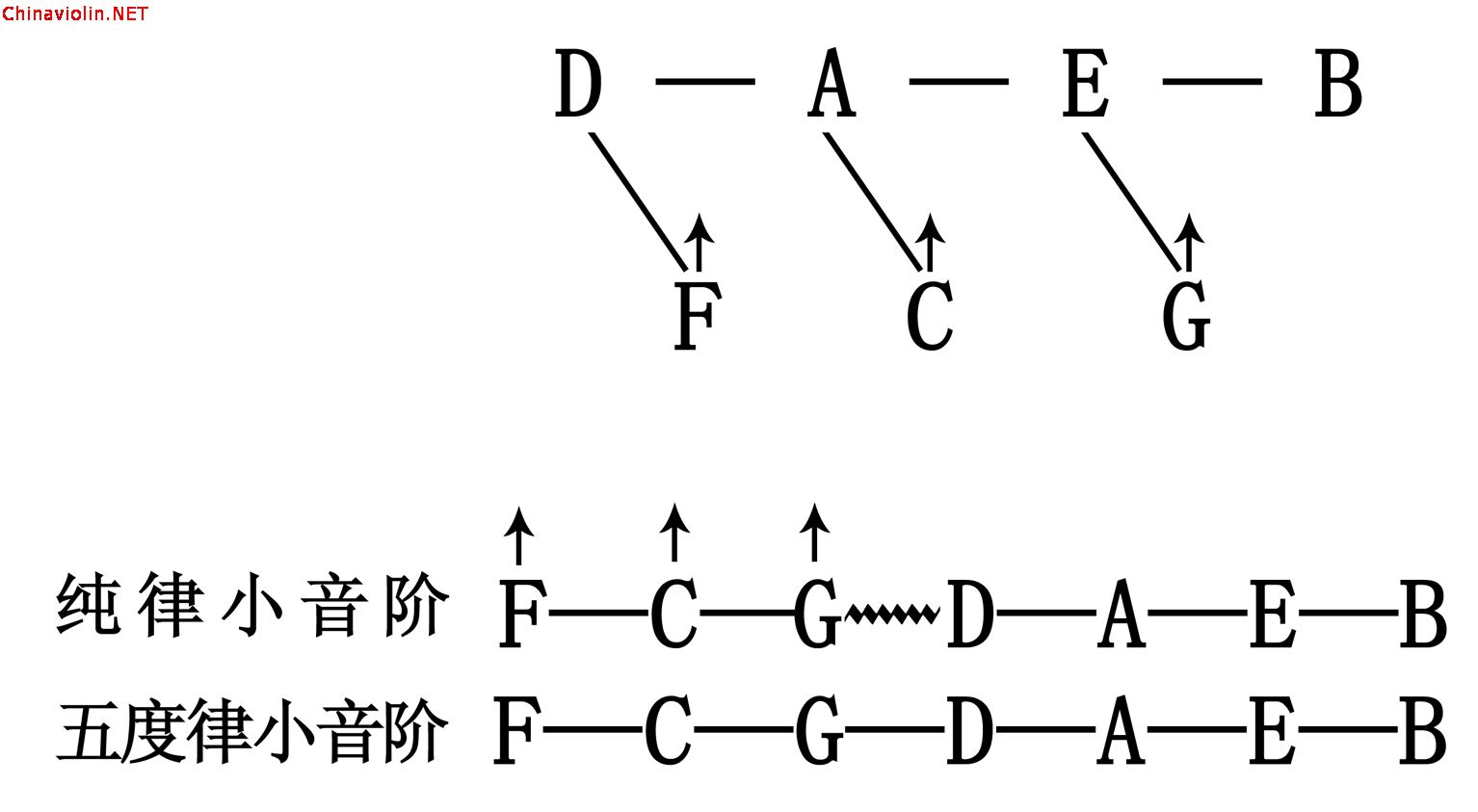
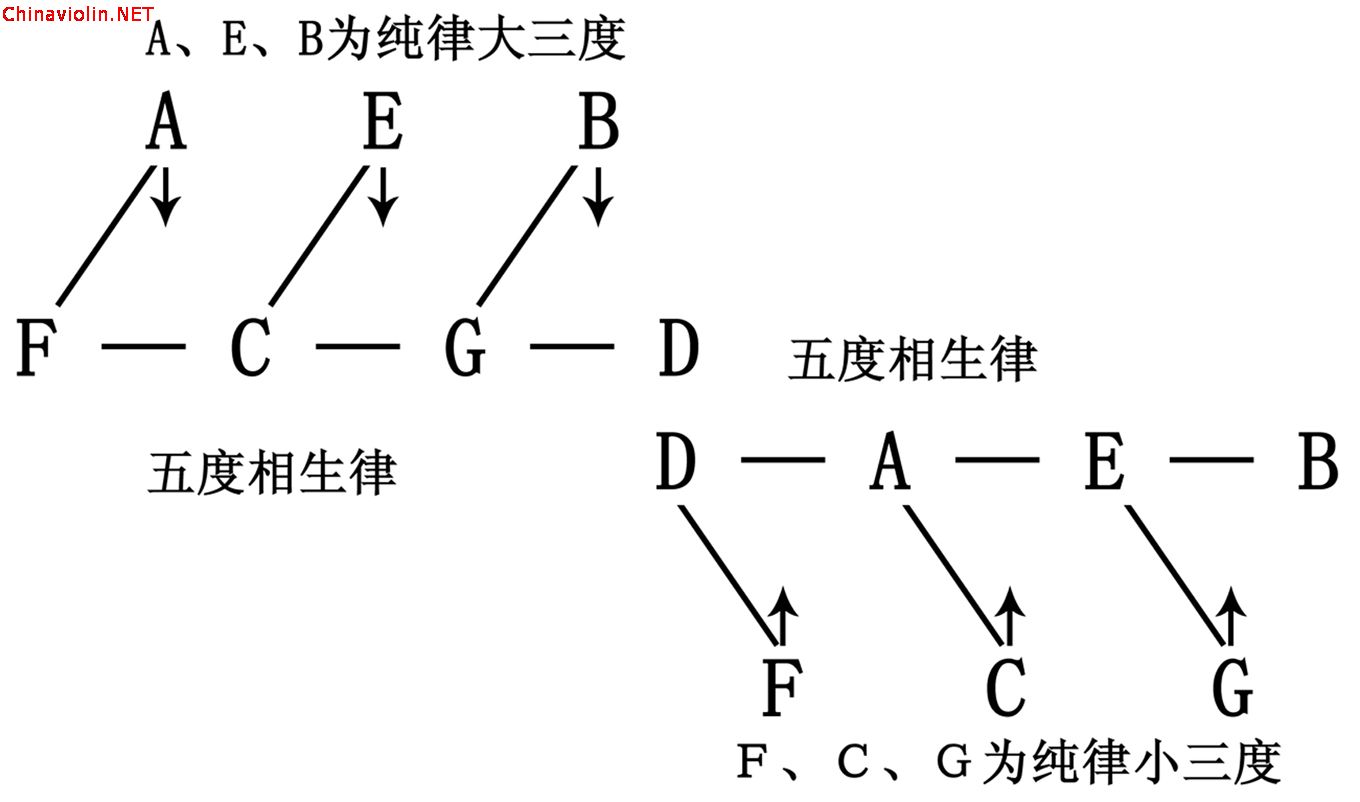
人们通常知道的纯律振动数是有关C大调三组大三和弦的。而不知道还有一组A小调的纯律振动数是有关三组小三和弦的。DAEB与五度相生律的振动数相同,而FCG这三个纯律的音比五度相生律高,这时纯律的A就是44044。这也是很多拉小提琴的人不学律学时还好点,学过一点律学后就开始犯糊涂(因为律学告诉他们纯律AEB低)。之后就开始说小提琴要照顾空弦、受空弦影响、小提琴定弦是五度相生律的情况特殊等等奇谈怪论。本人也曾受此影响,当我发现了纯律A小调的振动数后就明白了,不是‘照顾’不要‘影响’,而必须是‘从空弦出发’,一定是‘以空弦为准’。我告诉他们纯律C 大调AEB低;纯律A 小调FCG高。一定要搞清楚这一点,避免把两种律制混称、误称。

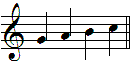
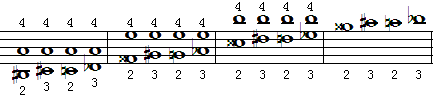
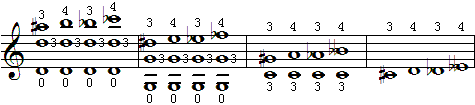
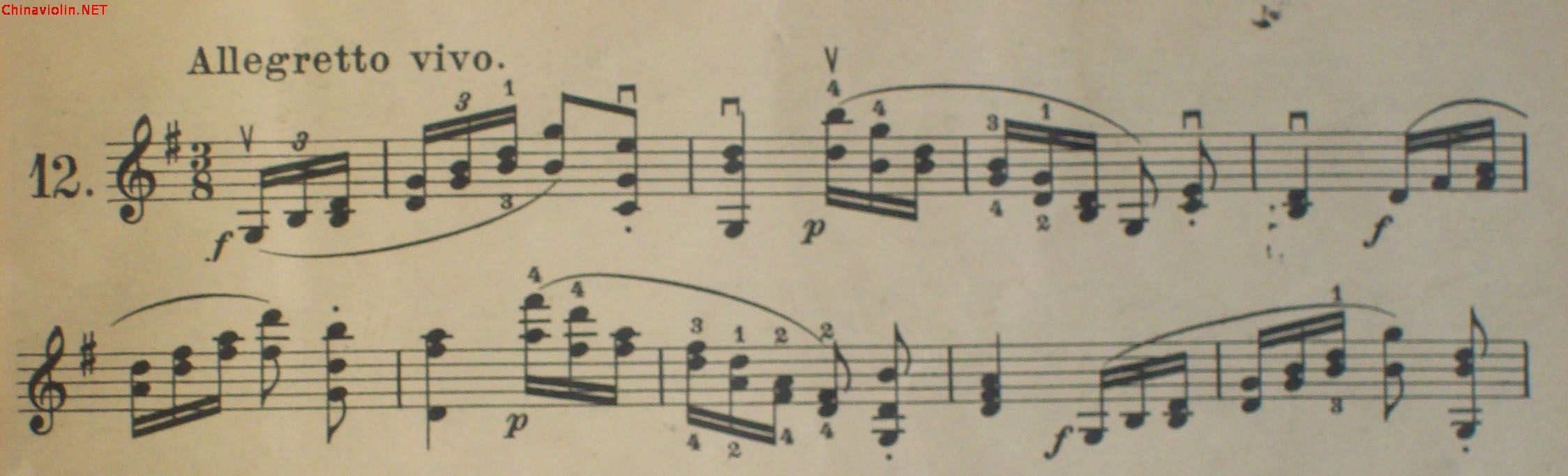
请看下图:C大调的关系小调A小调三和弦的构成及小音阶。

未标题-27.jpg

04.jpg

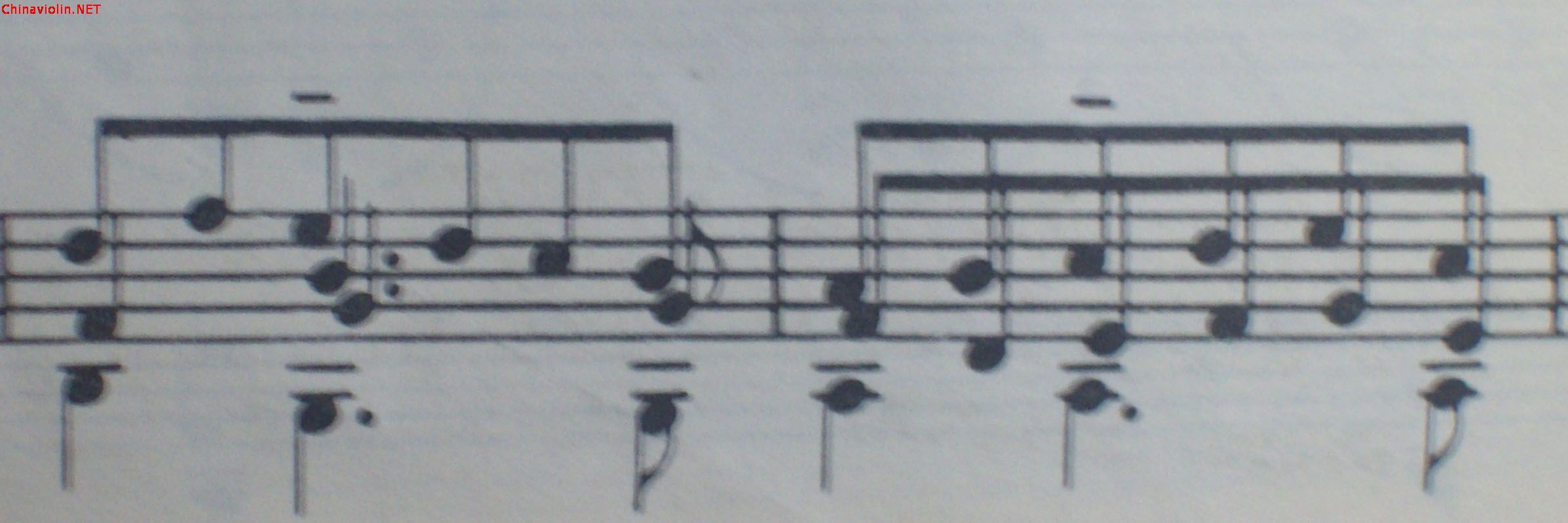
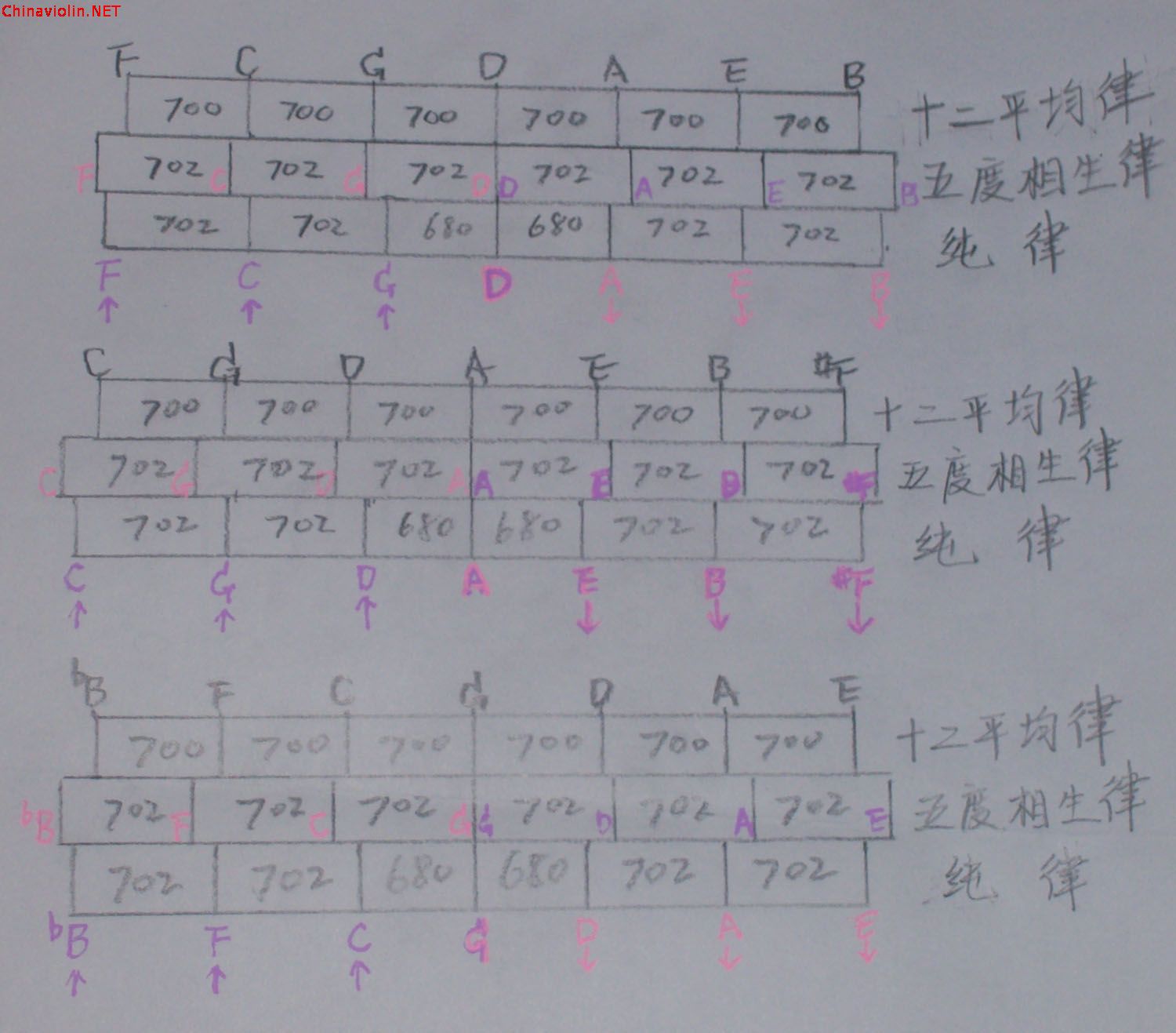
再用C大调与它的关系小调A小调作比较,如下:

未标题-28.jpg

FCGD是五度相生律纯五度(C大调),DAEB也是五度相生律纯五度(A小调)。

未标题-29.jpg


支持

反对

相关阅读

发表评论

最新评论

引用 安东汉文D 2013-12-10 17:33
&nbsp; &nbsp; &nbsp; 对不起上一篇各种律的振动数与音名没对齐,望大家凑合着看。<div>&nbsp; &nbsp; &nbsp; &nbsp;<span style="text-indent: 24pt; font-size: 12pt; font-family: 宋体;">两个</span><span lang="EN-US" style="font-family: Verdana, Arial, Helvetica, sans-serif; text-indent: 24pt; font-size: 12pt;">D</span><span style="text-indent: 24pt; font-size: 12pt; font-family: 宋体;">在中间重叠,证明</span><span lang="EN-US" style="font-family: Verdana, Arial, Helvetica, sans-serif; text-indent: 24pt; font-size: 12pt;">D</span><span style="text-indent: 24pt; font-size: 12pt; font-family: 宋体;">是七个基本音级的中心。其它六个音则围绕着</span><span lang="EN-US" style="font-family: Verdana, Arial, Helvetica, sans-serif; text-indent: 24pt; font-size: 12pt;">D</span><span style="text-indent: 24pt; font-size: 12pt; font-family: 宋体;">以关系大、小调为由‘漂移’变化。而</span><span lang="EN-US" style="font-family: Verdana, Arial, Helvetica, sans-serif; text-indent: 24pt; font-size: 12pt;">C</span><span style="text-indent: 24pt; font-size: 12pt; font-family: 宋体;">是不具备这个自然条件的。</span><p class="MsoNormal" style="text-indent:24.0pt;mso-char-indent-count:2.0"><span style="font-size:12.0pt;font-family:宋体;mso-ascii-font-family:&quot;Times New="New"  Roman&quot;;
mso-hansi-font-family:&quot;Times New="New"  Roman&quot;">又证明由狭(窄)五度和纯五度混合构成的是和声系统,不适合做音阶演奏。</span><span lang="EN-US" style="font-size:12.0pt"><o:p></o:p></span></p>

<p class="MsoNormal" style="text-indent:24.0pt;mso-char-indent-count:2.0"><span style="font-size:12.0pt;font-family:宋体;mso-ascii-font-family:&quot;Times New="New"  Roman&quot;;
mso-hansi-font-family:&quot;Times New="New"  Roman&quot;">还证明关系大、小调的狭窄五度位置是不一样的。大调是</span><span lang="EN-US" style="font-size:12.0pt">re</span><span style="font-size:12.0pt;
font-family:宋体;mso-ascii-font-family:&quot;Times New="New"  Roman&quot;;mso-hansi-font-family:
&quot;Times New="New"  Roman&quot;">、</span><span lang="EN-US" style="font-size:12.0pt">la,</span><span style="font-size:12.0pt;font-family:宋体;mso-ascii-font-family:&quot;Times New="New"  Roman&quot;;
mso-hansi-font-family:&quot;Times New="New"  Roman&quot;">小调是</span><span lang="EN-US" style="font-size:12.0pt">sol</span><span style="font-size:12.0pt;font-family:
宋体;mso-ascii-font-family:&quot;Times New="New"  Roman&quot;;mso-hansi-font-family:&quot;Times New="New"  Roman&quot;">、</span><span lang="EN-US" style="font-size:12.0pt">re</span><span style="font-size:12.0pt;
font-family:宋体;mso-ascii-font-family:&quot;Times New="New"  Roman&quot;;mso-hansi-font-family:
&quot;Times New="New"  Roman&quot;">。不用音名是因为首调唱名更具有概括性(在任何关系大、小调里都是同理)。 </span><span lang="EN-US" style="font-size:12.0pt"><o:p></o:p></span></p>

<p class="MsoNormal" style="text-indent:24.0pt;mso-char-indent-count:2.0"><span style="font-size:12.0pt;font-family:宋体;mso-ascii-font-family:&quot;Times New="New"  Roman&quot;;
mso-hansi-font-family:&quot;Times New="New"  Roman&quot;">基于以上的例证,假如我把现在国内出版的《基本乐理》一类书籍关于纯律与五度相生律的两律比较的论述稍作改动。即“把纯律小音阶与五度相生律小音阶相比较,两种律制小音阶的</span><span lang="EN-US" style="font-size:12.0pt">D</span><span style="font-size:12.0pt;
font-family:宋体;mso-ascii-font-family:&quot;Times New="New"  Roman&quot;;mso-hansi-font-family:
&quot;Times New="New"  Roman&quot;">、</span><span lang="EN-US" style="font-size:12.0pt">A</span><span style="font-size:12.0pt;font-family:宋体;mso-ascii-font-family:&quot;Times New="New"  Roman&quot;;
mso-hansi-font-family:&quot;Times New="New"  Roman&quot;">、</span><span lang="EN-US" style="font-size:12.0pt">E</span><span style="font-size:12.0pt;font-family:
宋体;mso-ascii-font-family:&quot;Times New="New"  Roman&quot;;mso-hansi-font-family:&quot;Times New="New"  Roman&quot;">、</span><span lang="EN-US" style="font-size:12.0pt">B</span><span style="font-size:12.0pt;
font-family:宋体;mso-ascii-font-family:&quot;Times New="New"  Roman&quot;;mso-hansi-font-family:
&quot;Times New="New"  Roman&quot;">四个音的构成方法完全相同,其音分值也完全一样;</span><span lang="EN-US" style="font-size:12.0pt">f</span><span style="font-size:12.0pt;font-family:
宋体;mso-ascii-font-family:&quot;Times New="New"  Roman&quot;;mso-hansi-font-family:&quot;Times New="New"  Roman&quot;">、</span><span lang="EN-US" style="font-size:12.0pt">c</span><span style="font-size:12.0pt;
font-family:宋体;mso-ascii-font-family:&quot;Times New="New"  Roman&quot;;mso-hansi-font-family:
&quot;Times New="New"  Roman&quot;">、</span><span lang="EN-US" style="font-size:12.0pt">g</span><span style="font-size:12.0pt;font-family:宋体;mso-ascii-font-family:&quot;Times New="New"  Roman&quot;;
mso-hansi-font-family:&quot;Times New="New"  Roman&quot;">三个音却有所区别。”是不是也很有道理呢?其实小提琴经常是这样用的。</span><span lang="EN-US" style="font-size:12.0pt"><o:p></o:p></span></p>

<p class="MsoNormal" style="text-indent:18.0pt;mso-char-indent-count:1.5"><span lang="EN-US" style="font-size:12.0pt">&nbsp;</span><span style="font-size:12.0pt;font-family:宋体;mso-ascii-font-family:&quot;Times New="New"  Roman&quot;;
mso-hansi-font-family:&quot;Times New="New"  Roman&quot;">下面就是这段话的原版,注意‘大音阶’与‘小音阶’及音名的变化。</span><span lang="EN-US" style="font-size:12.0pt"><o:p></o:p></span></p>

<p class="MsoNormal" style="text-indent:12.0pt;mso-char-indent-count:1.0"><span lang="EN-US" style="font-size:12.0pt">&nbsp;</span><span style="font-size:12.0pt;font-family:宋体;mso-ascii-font-family:&quot;Times New="New"  Roman&quot;;
mso-hansi-font-family:&quot;Times New="New"  Roman&quot;">“把纯律大音阶与五度相生律大音阶相比较,两种律制大音阶的</span><span lang="EN-US" style="font-size:12.0pt">C</span><span style="font-size:12.0pt;
font-family:宋体;mso-ascii-font-family:&quot;Times New="New"  Roman&quot;;mso-hansi-font-family:
&quot;Times New="New"  Roman&quot;">、</span><span lang="EN-US" style="font-size:12.0pt">D</span><span style="font-size:12.0pt;font-family:宋体;mso-ascii-font-family:&quot;Times New="New"  Roman&quot;;
mso-hansi-font-family:&quot;Times New="New"  Roman&quot;">、</span><span lang="EN-US" style="font-size:12.0pt">F</span><span style="font-size:12.0pt;font-family:
宋体;mso-ascii-font-family:&quot;Times New="New"  Roman&quot;;mso-hansi-font-family:&quot;Times New="New"  Roman&quot;">、</span><span lang="EN-US" style="font-size:12.0pt">G</span><span style="font-size:12.0pt;
font-family:宋体;mso-ascii-font-family:&quot;Times New="New"  Roman&quot;;mso-hansi-font-family:
&quot;Times New="New"  Roman&quot;">四个音的构成方法完全相同,其音分值也完全一样;</span><span lang="EN-US" style="font-size:12.0pt">e</span><span style="font-size:12.0pt;font-family:
宋体;mso-ascii-font-family:&quot;Times New="New"  Roman&quot;;mso-hansi-font-family:&quot;Times New="New"  Roman&quot;">、</span><span lang="EN-US" style="font-size:12.0pt">a</span><span style="font-size:12.0pt;
font-family:宋体;mso-ascii-font-family:&quot;Times New="New"  Roman&quot;;mso-hansi-font-family:
&quot;Times New="New"  Roman&quot;">、</span><span lang="EN-US" style="font-size:12.0pt">b</span><span style="font-size:12.0pt;font-family:宋体;mso-ascii-font-family:&quot;Times New="New"  Roman&quot;;
mso-hansi-font-family:&quot;Times New="New"  Roman&quot;">三个音却有所区别,”摘自童忠良、晏成佺先生的《基本乐理教程》人民音乐出版社</span><span lang="EN-US" style="font-size:12.0pt">2006</span><span style="font-size:12.0pt;
font-family:宋体;mso-ascii-font-family:&quot;Times New="New"  Roman&quot;;mso-hansi-font-family:
&quot;Times New="New"  Roman&quot;">年</span><span lang="EN-US" style="font-size:12.0pt">5</span><span style="font-size:12.0pt;font-family:宋体;mso-ascii-font-family:&quot;Times New="New"  Roman&quot;;
mso-hansi-font-family:&quot;Times New="New"  Roman&quot;">月。</span><span lang="EN-US" style="font-size:12.0pt"><o:p></o:p></span></p><p class="MsoNormal" style="text-indent:12.0pt;mso-char-indent-count:1.0"><p class="MsoNormal" style="text-indent:24.0pt;mso-char-indent-count:2.0"><span style="font-size:12.0pt;font-family:宋体;mso-ascii-font-family:&quot;Times New="New"  Roman&quot;;
mso-hansi-font-family:&quot;Times New="New"  Roman&quot;">以下摘自(准概原)<b>第二节</b></span><b><span style="font-size:12.0pt"> &nbsp;</span></b><b><span style="font-size:12.0pt;font-family:
宋体;mso-ascii-font-family:&quot;Times New="New"  Roman&quot;;mso-hansi-font-family:&quot;Times New="New"  Roman&quot;">纯律</span></b><span lang="EN-US" style="font-size:12.0pt"><o:p></o:p></span></p>

<p class="MsoNormal" style="text-indent:24.0pt;mso-char-indent-count:2.0"><span style="font-size:12.0pt;font-family:宋体;mso-ascii-font-family:&quot;Times New="New"  Roman&quot;;
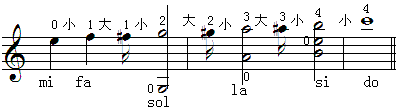
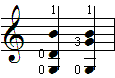
mso-hansi-font-family:&quot;Times New="New"  Roman&quot;">“纯律:在五度相生律的【前】三个五度之间加入协和的【大】三度而成。(下例前三小节四分音符即是): 纯律1-1.gif <br/></span></p><p class="MsoNormal" style="text-indent:24.0pt;mso-char-indent-count:2.0"><p class="MsoNormal"><span style="font-size:12.0pt;font-family:宋体;mso-ascii-font-family:
&quot;Times New="New"  Roman&quot;;mso-hansi-font-family:&quot;Times New="New"  Roman&quot;">实际上,这应该是和声学的来源,它们是非常协和的【大】三和弦,而且这三个和弦就是</span><b><span style="font-family:宋体;mso-ascii-font-family:
&quot;Times New="New"  Roman&quot;;mso-hansi-font-family:&quot;Times New="New"  Roman&quot;">Ⅳ、Ⅰ、Ⅴ</span></b><span style="font-size:12.0pt;font-family:宋体;mso-ascii-font-family:&quot;Times New="New"  Roman&quot;;
mso-hansi-font-family:&quot;Times New="New"  Roman&quot;">。在加入的这个协和的三度,【</span><span lang="EN-US" style="font-size:12.0pt">A</span><span style="font-size:12.0pt;font-family:
宋体;mso-ascii-font-family:&quot;Times New="New"  Roman&quot;;mso-hansi-font-family:&quot;Times New="New"  Roman&quot;">、</span><span lang="EN-US" style="font-size:12.0pt">E</span><span style="font-size:12.0pt;
font-family:宋体;mso-ascii-font-family:&quot;Times New="New"  Roman&quot;;mso-hansi-font-family:
&quot;Times New="New"  Roman&quot;">、</span><span lang="EN-US" style="font-size:12.0pt">B</span><span style="font-size:12.0pt;font-family:宋体;mso-ascii-font-family:&quot;Times New="New"  Roman&quot;;
mso-hansi-font-family:&quot;Times New="New"  Roman&quot;">】的高度绝不等于五度相生律【</span><span lang="EN-US" style="font-size:12.0pt">A</span><span style="font-size:12.0pt;font-family:
宋体;mso-ascii-font-family:&quot;Times New="New"  Roman&quot;;mso-hansi-font-family:&quot;Times New="New"  Roman&quot;">、</span><span lang="EN-US" style="font-size:12.0pt">E</span><span style="font-size:12.0pt;
font-family:宋体;mso-ascii-font-family:&quot;Times New="New"  Roman&quot;;mso-hansi-font-family:
&quot;Times New="New"  Roman&quot;">、</span><span lang="EN-US" style="font-size:12.0pt">B</span><span style="font-size:12.0pt;font-family:宋体;mso-ascii-font-family:&quot;Times New="New"  Roman&quot;;
mso-hansi-font-family:&quot;Times New="New"  Roman&quot;">】的高度,纯律的这三个音要【低一些】……”</span><span lang="EN-US" style="font-size:12.0pt"><o:p></o:p></span></p>

<p class="MsoNormal" style="text-indent:24.0pt"><span style="font-size:12.0pt;
font-family:宋体;mso-ascii-font-family:&quot;Times New="New"  Roman&quot;;mso-hansi-font-family:
&quot;Times New="New"  Roman&quot;">如果把以上的论述再说一遍,请注意【</span><span style="font-size:12.0pt"> </span><span style="font-size:12.0pt;font-family:宋体;mso-ascii-font-family:&quot;Times New="New"  Roman&quot;;
mso-hansi-font-family:&quot;Times New="New"  Roman&quot;">】内字的变化。</span><span lang="EN-US" style="font-size:12.0pt"><o:p></o:p></span></p>

<p class="MsoNormal" style="text-indent:24.0pt;mso-char-indent-count:2.0"><span style="font-size:12.0pt;font-family:宋体;mso-ascii-font-family:&quot;Times New="New"  Roman&quot;;
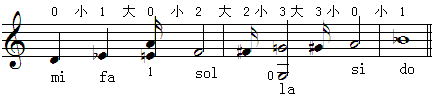
mso-hansi-font-family:&quot;Times New="New"  Roman&quot;">纯律:在五度相生律的【后】三个五度之间加入协和的【小】三度而成。(下例前三小节四分音符即是): 纯律1-2.gif <br/></span><span lang="EN-US" style="font-size:12.0pt"><o:p></o:p></span></p><p class="MsoNormal" style="text-indent:24.0pt;mso-char-indent-count:2.0"><p class="MsoNormal" style="text-indent:24.0pt;mso-char-indent-count:2.0"><span style="font-size:12.0pt;font-family:宋体;mso-ascii-font-family:&quot;Times New="New"  Roman&quot;;
mso-hansi-font-family:&quot;Times New="New"  Roman&quot;">实际上,这应该是和声学的来源,它们是非常协和的【小】三和弦,而且这三个和弦就是</span><b><span style="font-family:宋体;mso-ascii-font-family:
&quot;Times New="New"  Roman&quot;;mso-hansi-font-family:&quot;Times New="New"  Roman&quot;">Ⅳ、Ⅰ、Ⅴ</span></b><span style="font-size:12.0pt;font-family:宋体;mso-ascii-font-family:&quot;Times New="New"  Roman&quot;;
mso-hansi-font-family:&quot;Times New="New"  Roman&quot;">。在加入的这个协和的三度,【</span><span lang="EN-US" style="font-size:12.0pt">F</span><span style="font-size:12.0pt;font-family:
宋体;mso-ascii-font-family:&quot;Times New="New"  Roman&quot;;mso-hansi-font-family:&quot;Times New="New"  Roman&quot;">、</span><span lang="EN-US" style="font-size:12.0pt">C</span><span style="font-size:12.0pt;
font-family:宋体;mso-ascii-font-family:&quot;Times New="New"  Roman&quot;;mso-hansi-font-family:
&quot;Times New="New"  Roman&quot;">、</span><span lang="EN-US" style="font-size:12.0pt">G</span><span style="font-size:12.0pt;font-family:宋体;mso-ascii-font-family:&quot;Times New="New"  Roman&quot;;
mso-hansi-font-family:&quot;Times New="New"  Roman&quot;">】的高度绝不等于五度相生律【</span><span lang="EN-US" style="font-size:12.0pt">F</span><span style="font-size:12.0pt;font-family:
宋体;mso-ascii-font-family:&quot;Times New="New"  Roman&quot;;mso-hansi-font-family:&quot;Times New="New"  Roman&quot;">、</span><span lang="EN-US" style="font-size:12.0pt">C</span><span style="font-size:12.0pt;
font-family:宋体;mso-ascii-font-family:&quot;Times New="New"  Roman&quot;;mso-hansi-font-family:
&quot;Times New="New"  Roman&quot;">、</span><span lang="EN-US" style="font-size:12.0pt">G</span><span style="font-size:12.0pt;font-family:宋体;mso-ascii-font-family:&quot;Times New="New"  Roman&quot;;
mso-hansi-font-family:&quot;Times New="New"  Roman&quot;">】的高度,纯律的这三个音要【高一些】。</span><span lang="EN-US" style="font-size:12.0pt"><o:p></o:p></span></p>

<p class="MsoNormal" style="text-indent:24.0pt;mso-char-indent-count:2.0"><span style="font-size:12.0pt;font-family:宋体;mso-ascii-font-family:&quot;Times New="New"  Roman&quot;;
mso-hansi-font-family:&quot;Times New="New"  Roman&quot;">我再次强调:这是所有的(基本乐理)及(律学理论)书籍都没有说到的或没说清楚的,或者根本就不懂。但提琴类乐器却无时不用的。</span><span lang="EN-US" style="font-size:12.0pt"><o:p></o:p></span></p>

<p class="MsoNormal" style="text-indent:24.0pt;mso-char-indent-count:2.0"><span style="font-size:12.0pt;font-family:宋体;mso-ascii-font-family:&quot;Times New="New"  Roman&quot;;
mso-hansi-font-family:&quot;Times New="New"  Roman&quot;">不能以为说了大三和弦构成了纯律就完事了,还应强调‘大调’以及‘纯律关系’这几个字。</span><span lang="EN-US" style="font-size:12.0pt">F</span><span style="font-size:12.0pt;
font-family:宋体;mso-ascii-font-family:&quot;Times New="New"  Roman&quot;;mso-hansi-font-family:
&quot;Times New="New"  Roman&quot;">、</span><span lang="EN-US" style="font-size:12.0pt">C</span><span style="font-size:12.0pt;font-family:宋体;mso-ascii-font-family:&quot;Times New="New"  Roman&quot;;
mso-hansi-font-family:&quot;Times New="New"  Roman&quot;">、</span><span lang="EN-US" style="font-size:12.0pt">G</span><span style="font-size:12.0pt;font-family:
宋体;mso-ascii-font-family:&quot;Times New="New"  Roman&quot;;mso-hansi-font-family:&quot;Times New="New"  Roman&quot;">、</span><span lang="EN-US" style="font-size:12.0pt">D</span><span style="font-size:12.0pt;
font-family:宋体;mso-ascii-font-family:&quot;Times New="New"  Roman&quot;;mso-hansi-font-family:
&quot;Times New="New"  Roman&quot;">这四个五度相生律的五度音列在与</span><span lang="EN-US" style="font-size:
12.0pt">A</span><span style="font-size:12.0pt;font-family:宋体;mso-ascii-font-family:
&quot;Times New="New"  Roman&quot;;mso-hansi-font-family:&quot;Times New="New"  Roman&quot;">、</span><span lang="EN-US" style="font-size:12.0pt">E</span><span style="font-size:12.0pt;
font-family:宋体;mso-ascii-font-family:&quot;Times New="New"  Roman&quot;;mso-hansi-font-family:
&quot;Times New="New"  Roman&quot;">、</span><span lang="EN-US" style="font-size:12.0pt">B</span><span style="font-size:12.0pt;font-family:宋体;mso-ascii-font-family:&quot;Times New="New"  Roman&quot;;
mso-hansi-font-family:&quot;Times New="New"  Roman&quot;">构成这种‘纯律关系’时,产生了三个新的音高也就是纯律的音高</span><span lang="EN-US" style="font-size:12.0pt">A</span><span style="font-size:12.0pt;
font-family:宋体;mso-ascii-font-family:&quot;Times New="New"  Roman&quot;;mso-hansi-font-family:
&quot;Times New="New"  Roman&quot;">、</span><span lang="EN-US" style="font-size:12.0pt">E</span><span style="font-size:12.0pt;font-family:宋体;mso-ascii-font-family:&quot;Times New="New"  Roman&quot;;
mso-hansi-font-family:&quot;Times New="New"  Roman&quot;">、</span><span lang="EN-US" style="font-size:12.0pt">B</span><span style="font-size:12.0pt;font-family:
宋体;mso-ascii-font-family:&quot;Times New="New"  Roman&quot;;mso-hansi-font-family:&quot;Times New="New"  Roman&quot;">。我在后面所说的纯律音高就有这三个音。【这三个音与五度相生律的</span><span lang="EN-US" style="font-size:12.0pt">F</span><span style="font-size:12.0pt;
font-family:宋体;mso-ascii-font-family:&quot;Times New="New"  Roman&quot;;mso-hansi-font-family:
&quot;Times New="New"  Roman&quot;">、</span><span lang="EN-US" style="font-size:12.0pt">C</span><span style="font-size:12.0pt;font-family:宋体;mso-ascii-font-family:&quot;Times New="New"  Roman&quot;;
mso-hansi-font-family:&quot;Times New="New"  Roman&quot;">、</span><span lang="EN-US" style="font-size:12.0pt">G</span><span style="font-size:12.0pt;font-family:
宋体;mso-ascii-font-family:&quot;Times New="New"  Roman&quot;;mso-hansi-font-family:&quot;Times New="New"  Roman&quot;">、</span><span lang="EN-US" style="font-size:12.0pt">D</span><span style="font-size:12.0pt;
font-family:宋体;mso-ascii-font-family:&quot;Times New="New"  Roman&quot;;mso-hansi-font-family:
&quot;Times New="New"  Roman&quot;">是纯律关系】。再说小调小三和弦构成的纯律。也应强调‘小调’以及‘纯律关系’。</span><span lang="EN-US" style="font-size:12.0pt">D</span><span style="font-size:12.0pt;
font-family:宋体;mso-ascii-font-family:&quot;Times New="New"  Roman&quot;;mso-hansi-font-family:
&quot;Times New="New"  Roman&quot;">、</span><span lang="EN-US" style="font-size:12.0pt">A</span><span style="font-size:12.0pt;font-family:宋体;mso-ascii-font-family:&quot;Times New="New"  Roman&quot;;
mso-hansi-font-family:&quot;Times New="New"  Roman&quot;">、</span><span lang="EN-US" style="font-size:12.0pt">E</span><span style="font-size:12.0pt;font-family:
宋体;mso-ascii-font-family:&quot;Times New="New"  Roman&quot;;mso-hansi-font-family:&quot;Times New="New"  Roman&quot;">、</span><span lang="EN-US" style="font-size:12.0pt">B</span><span style="font-size:12.0pt;
font-family:宋体;mso-ascii-font-family:&quot;Times New="New"  Roman&quot;;mso-hansi-font-family:
&quot;Times New="New"  Roman&quot;">这四个五度相生律的五度音列在与</span><span lang="EN-US" style="font-size:
12.0pt">F</span><span style="font-size:12.0pt;font-family:宋体;mso-ascii-font-family:
&quot;Times New="New"  Roman&quot;;mso-hansi-font-family:&quot;Times New="New"  Roman&quot;">、</span><span lang="EN-US" style="font-size:12.0pt">C</span><span style="font-size:12.0pt;
font-family:宋体;mso-ascii-font-family:&quot;Times New="New"  Roman&quot;;mso-hansi-font-family:
&quot;Times New="New"  Roman&quot;">、</span><span lang="EN-US" style="font-size:12.0pt">G</span><span style="font-size:12.0pt;font-family:宋体;mso-ascii-font-family:&quot;Times New="New"  Roman&quot;;
mso-hansi-font-family:&quot;Times New="New"  Roman&quot;">构成这种‘纯律关系’时,产生了三个新的音高也就是纯律的音高</span><span lang="EN-US" style="font-size:12.0pt">F</span><span style="font-size:12.0pt;
font-family:宋体;mso-ascii-font-family:&quot;Times New="New"  Roman&quot;;mso-hansi-font-family:
&quot;Times New="New"  Roman&quot;">、</span><span lang="EN-US" style="font-size:12.0pt">C</span><span style="font-size:12.0pt;font-family:宋体;mso-ascii-font-family:&quot;Times New="New"  Roman&quot;;
mso-hansi-font-family:&quot;Times New="New"  Roman&quot;">、</span><span lang="EN-US" style="font-size:12.0pt">G</span><span style="font-size:12.0pt;font-family:
宋体;mso-ascii-font-family:&quot;Times New="New"  Roman&quot;;mso-hansi-font-family:&quot;Times New="New"  Roman&quot;">。我在后面所说的纯律音高再加上这三个音。【这三个音与五度相生律的</span><span lang="EN-US" style="font-size:12.0pt">D</span><span style="font-size:12.0pt;
font-family:宋体;mso-ascii-font-family:&quot;Times New="New"  Roman&quot;;mso-hansi-font-family:
&quot;Times New="New"  Roman&quot;">、</span><span lang="EN-US" style="font-size:12.0pt">A</span><span style="font-size:12.0pt;font-family:宋体;mso-ascii-font-family:&quot;Times New="New"  Roman&quot;;
mso-hansi-font-family:&quot;Times New="New"  Roman&quot;">、</span><span lang="EN-US" style="font-size:12.0pt">E</span><span style="font-size:12.0pt;font-family:
宋体;mso-ascii-font-family:&quot;Times New="New"  Roman&quot;;mso-hansi-font-family:&quot;Times New="New"  Roman&quot;">、</span><span lang="EN-US" style="font-size:12.0pt">B</span><span style="font-size:12.0pt;
font-family:宋体;mso-ascii-font-family:&quot;Times New="New"  Roman&quot;;mso-hansi-font-family:
&quot;Times New="New"  Roman&quot;">是纯律关系】。不能把某个音与某个音是纯律关系与某个音是纯律音高混为一谈。就如同某人与某人是父子关系,你不能把他们说成是哥俩一样。大家会发现我在后面的谱例中讲述纯律音高时,大多数情况下总会有一个五度相生律的音高伴随。我把它称做‘五’生‘纯’,之后还有‘纯’生‘纯’,之前会有‘五’生‘五’。当把以上的问题想清楚后就不会再发生把五度相生律误称为纯律的事情了。</span><span lang="EN-US" style="font-size:12.0pt"><o:p></o:p></span></p>

<span style="font-size:12.0pt;font-family:宋体;mso-ascii-font-family:&quot;Times New="New"  Roman&quot;;
mso-hansi-font-family:&quot;Times New="New"  Roman&quot;;mso-bidi-font-family:&quot;Times New="New"  Roman&quot;;
mso-font-kerning:1.0pt;mso-ansi-language:EN-US;mso-fareast-language:ZH-CN;
mso-bidi-language:AR-SA">回过头来再说五度相生律。因为从(准概原)这本书的内容来看作者并不清楚何为五度相生律。请看<b>第五章结论</b>:“如</span><span lang="EN-US" style="font-size:12.0pt;font-family:&quot;Times New="New"  Roman&quot;;mso-fareast-font-family:
宋体;mso-font-kerning:1.0pt;mso-ansi-language:EN-US;mso-fareast-language:ZH-CN;
mso-bidi-language:AR-SA">A</span><span style="font-size:12.0pt;font-family:
宋体;mso-ascii-font-family:&quot;Times New="New"  Roman&quot;;mso-hansi-font-family:&quot;Times New="New"  Roman&quot;;
mso-bidi-font-family:&quot;Times New="New"  Roman&quot;;mso-font-kerning:1.0pt;mso-ansi-language:
EN-US;mso-fareast-language:ZH-CN;mso-bidi-language:AR-SA">弦上一把位一指</span><span lang="EN-US" style="font-size:12.0pt;font-family:&quot;Times New="New"  Roman&quot;;mso-fareast-font-family:
宋体;mso-font-kerning:1.0pt;mso-ansi-language:EN-US;mso-fareast-language:ZH-CN;
mso-bidi-language:AR-SA">b1</span><span style="font-size:12.0pt;font-family:
宋体;mso-ascii-font-family:&quot;Times New="New"  Roman&quot;;mso-hansi-font-family:&quot;Times New="New"  Roman&quot;;
mso-bidi-font-family:&quot;Times New="New"  Roman&quot;;mso-font-kerning:1.0pt;mso-ansi-language:
EN-US;mso-fareast-language:ZH-CN;mso-bidi-language:AR-SA">音位置,老是按照</span><span lang="EN-US" style="font-size:12.0pt;font-family:&quot;Times New="New"  Roman&quot;;mso-fareast-font-family:
宋体;mso-font-kerning:1.0pt;mso-ansi-language:EN-US;mso-fareast-language:ZH-CN;
mso-bidi-language:AR-SA">C</span><span style="font-size:12.0pt;font-family:
宋体;mso-ascii-font-family:&quot;Times New="New"  Roman&quot;;mso-hansi-font-family:&quot;Times New="New"  Roman&quot;;
mso-bidi-font-family:&quot;Times New="New"  Roman&quot;;mso-font-kerning:1.0pt;mso-ansi-language:
EN-US;mso-fareast-language:ZH-CN;mso-bidi-language:AR-SA">大调拉旋律导音(靠近主音)位置(即五度相生律位置)固定在那里,……这种不良习惯,必须纠正,他应该知道那</span><span lang="EN-US" style="font-size:12.0pt;font-family:&quot;Times New="New"  Roman&quot;;mso-fareast-font-family:
宋体;mso-font-kerning:1.0pt;mso-ansi-language:EN-US;mso-fareast-language:ZH-CN;
mso-bidi-language:AR-SA">b1</span><span style="font-size:12.0pt;font-family:
宋体;mso-ascii-font-family:&quot;Times New="New"  Roman&quot;;mso-hansi-font-family:&quot;Times New="New"  Roman&quot;;
mso-bidi-font-family:&quot;Times New="New"  Roman&quot;;mso-font-kerning:1.0pt;mso-ansi-language:
EN-US;mso-fareast-language:ZH-CN;mso-bidi-language:AR-SA">音的位置是可变动的,如 五与纯的识别14.gif </span><span style="font-family: 宋体; font-size: 12pt; text-indent: 24pt;">中</span><span style="text-indent: 24pt; font-size: 12pt; font-family: 宋体;">的导音应当要高一些靠近</span><span lang="EN-US" style="text-indent: 24pt; font-size: 12pt; font-family: 'Times New="New"  Roman';">C1</span><span style="text-indent: 24pt; font-size: 12pt; font-family: 宋体;">音,但在 五与纯的识别15.gif </span><span style="text-indent: 24pt; font-size: 12pt; font-family: 宋体;">双音时必须把</span><span lang="EN-US" style="text-indent: 24pt; font-size: 12pt; font-family: 'Times New="New"  Roman';">C1</span><span style="text-indent: 24pt; font-size: 12pt; font-family: 宋体;">音稍降低一下才准确。遇到 五与纯的识别16.gif </span><span style="text-indent: 24pt; font-size: 12pt; font-family: 宋体;">时,又要再往下降低</span><span lang="EN-US" style="text-indent: 24pt; font-size: 12pt;">b1</span><span style="text-indent: 24pt; font-size: 12pt; font-family: 宋体;">音才能与</span><span lang="EN-US" style="text-indent: 24pt; font-size: 12pt;">D</span><span style="text-indent: 24pt; font-size: 12pt; font-family: 宋体;">空弦成协和的六度,所以看出</span><span lang="EN-US" style="text-indent: 24pt; font-size: 12pt;">b1</span><span style="text-indent: 24pt; font-size: 12pt; font-family: 宋体;">音在这时已经有三个不同的位置(高度)。”</span></p>

<p class="MsoNormal" style="text-indent:24.0pt;line-height:15.0pt;mso-line-height-rule:
exactly"><span style="font-size:12.0pt;font-family:宋体;mso-ascii-font-family:
&quot;Times New="New"  Roman&quot;;mso-hansi-font-family:&quot;Times New="New"  Roman&quot;">看样子(准概原)的作者把靠近主音的那个导音当成五度相生律了。其实那并不是五度相生律的小半音,是极度倾向音,接近四分之一音。有些小提琴演奏家喜欢用四分之一音,我有时候也用。而</span><span lang="EN-US" style="font-size:12.0pt">A</span><span style="font-size:12.0pt;
font-family:宋体;mso-ascii-font-family:&quot;Times New="New"  Roman&quot;;mso-hansi-font-family:
&quot;Times New="New"  Roman&quot;">弦一指</span><span lang="EN-US" style="font-size:12.0pt">B</span><span style="font-size:12.0pt;font-family:宋体;mso-ascii-font-family:&quot;Times New="New"  Roman&quot;;
mso-hansi-font-family:&quot;Times New="New"  Roman&quot;">与空弦</span><span lang="EN-US" style="font-size:12.0pt">E</span><span style="font-size:12.0pt;font-family:
宋体;mso-ascii-font-family:&quot;Times New="New"  Roman&quot;;mso-hansi-font-family:&quot;Times New="New"  Roman&quot;">构成的纯四度都是五度相生律的音高,这就是‘五’生‘五’。而空弦</span><span lang="EN-US" style="font-size:12.0pt">D</span><span style="font-size:12.0pt;
font-family:宋体;mso-ascii-font-family:&quot;Times New="New"  Roman&quot;;mso-hansi-font-family:
&quot;Times New="New"  Roman&quot;">与</span><span lang="EN-US" style="font-size:12.0pt">A</span><span style="font-size:12.0pt;font-family:宋体;mso-ascii-font-family:&quot;Times New="New"  Roman&quot;;
mso-hansi-font-family:&quot;Times New="New"  Roman&quot;">弦一指</span><span lang="EN-US" style="font-size:12.0pt">B</span><span style="font-size:12.0pt;font-family:
宋体;mso-ascii-font-family:&quot;Times New="New"  Roman&quot;;mso-hansi-font-family:&quot;Times New="New"  Roman&quot;">构成了协和大六度后产生的</span><span lang="EN-US" style="font-size:12.0pt">B</span><span style="font-size:12.0pt;
font-family:宋体;mso-ascii-font-family:&quot;Times New="New"  Roman&quot;;mso-hansi-font-family:
&quot;Times New="New"  Roman&quot;">是纯律音高,空弦</span><span lang="EN-US" style="font-size:12.0pt">D</span><span style="font-size:12.0pt;font-family:宋体;mso-ascii-font-family:&quot;Times New="New"  Roman&quot;;
mso-hansi-font-family:&quot;Times New="New"  Roman&quot;">是五度相生律的音高,这就叫‘五’生‘纯’。如果这个纯律</span><span lang="EN-US" style="font-size:12.0pt">A</span><span style="font-size:12.0pt;
font-family:宋体;mso-ascii-font-family:&quot;Times New="New"  Roman&quot;;mso-hansi-font-family:
&quot;Times New="New"  Roman&quot;">弦一指</span><span lang="EN-US" style="font-size:12.0pt">B</span><span style="font-size:12.0pt;font-family:宋体;mso-ascii-font-family:&quot;Times New="New"  Roman&quot;;
mso-hansi-font-family:&quot;Times New="New"  Roman&quot;">再与</span><span lang="EN-US" style="font-size:12.0pt">D</span><span style="font-size:12.0pt;font-family:
宋体;mso-ascii-font-family:&quot;Times New="New"  Roman&quot;;mso-hansi-font-family:&quot;Times New="New"  Roman&quot;">弦一指</span><span lang="EN-US" style="font-size:12.0pt">E</span><span style="font-size:12.0pt;
font-family:宋体;mso-ascii-font-family:&quot;Times New="New"  Roman&quot;;mso-hansi-font-family:
&quot;Times New="New"  Roman&quot;">构成纯五度则是纯律的纯五度,这就是‘纯’生‘纯’。</span><span lang="EN-US" style="font-size:12.0pt"><o:p></o:p></span></p>

<p class="MsoNormal" style="text-indent:24.0pt"><span style="font-size:12.0pt;
font-family:宋体;mso-ascii-font-family:&quot;Times New="New"  Roman&quot;;mso-hansi-font-family:
&quot;Times New="New"  Roman&quot;">五度相生律的音高在小提琴上是如何被确定的。请参看我的“八度五度找音法”。</span><span lang="EN-US" style="font-size:12.0pt"><o:p></o:p></span></p><p class="MsoNormal" style="text-indent:24.0pt"><p class="MsoNormal" style="text-indent:24.0pt;mso-char-indent-count:2.0"><span style="font-size:12.0pt;font-family:宋体;mso-ascii-font-family:&quot;Times New="New"  Roman&quot;;
mso-hansi-font-family:&quot;Times New="New"  Roman&quot;">(准概原)<b>在半音的问题上论述:</b></span><span lang="EN-US" style="font-size:12.0pt"><o:p></o:p></span></p>

<p class="MsoNormal" style="text-indent:24.0pt;mso-char-indent-count:2.0"><span style="font-size:12.0pt;font-family:宋体;mso-ascii-font-family:&quot;Times New="New"  Roman&quot;;
mso-hansi-font-family:&quot;Times New="New"  Roman&quot;">“纯律正与五度相生律相反,如五度相生律变化半音</span><span lang="EN-US" style="font-size:12.0pt">C</span><span style="font-size:12.0pt;
font-family:宋体;mso-ascii-font-family:&quot;Times New="New"  Roman&quot;;mso-hansi-font-family:
&quot;Times New="New"  Roman&quot;">—升</span><span lang="EN-US" style="font-size:12.0pt">C</span><span style="font-size:12.0pt;font-family:宋体;mso-ascii-font-family:&quot;Times New="New"  Roman&quot;;
mso-hansi-font-family:&quot;Times New="New"  Roman&quot;">大于自然半音</span><span lang="EN-US" style="font-size:12.0pt">C</span><span style="font-size:12.0pt;font-family:
宋体;mso-ascii-font-family:&quot;Times New="New"  Roman&quot;;mso-hansi-font-family:&quot;Times New="New"  Roman&quot;">—降</span><span lang="EN-US" style="font-size:12.0pt">D</span><span style="font-size:12.0pt;
font-family:宋体;mso-ascii-font-family:&quot;Times New="New"  Roman&quot;;mso-hansi-font-family:
&quot;Times New="New"  Roman&quot;">,在纯律上则变化半音</span><span lang="EN-US" style="font-size:12.0pt">C</span><span style="font-size:12.0pt;font-family:宋体;mso-ascii-font-family:&quot;Times New="New"  Roman&quot;;
mso-hansi-font-family:&quot;Times New="New"  Roman&quot;">—升</span><span lang="EN-US" style="font-size:12.0pt">C</span><span style="font-size:12.0pt;font-family:
宋体;mso-ascii-font-family:&quot;Times New="New"  Roman&quot;;mso-hansi-font-family:&quot;Times New="New"  Roman&quot;">小于自然半音</span><span lang="EN-US" style="font-size:12.0pt">C</span><span style="font-size:12.0pt;
font-family:宋体;mso-ascii-font-family:&quot;Times New="New"  Roman&quot;;mso-hansi-font-family:
&quot;Times New="New"  Roman&quot;">—降</span><span lang="EN-US" style="font-size:12.0pt">D</span><span style="font-size:12.0pt;font-family:宋体;mso-ascii-font-family:&quot;Times New="New"  Roman&quot;;
mso-hansi-font-family:&quot;Times New="New"  Roman&quot;">。纯律的特点:和声非常协和、纯正,音阶中半音最宽……,半音最窄的是五度相生律,在以后举例中谈到两个半音之间靠拢一点即指的这种律,这种半音叫它小半音……,纯律半音叫大半音……,以后谈到两个半音宽一点即指这种律”。</span><span lang="EN-US" style="font-size:12.0pt"><o:p></o:p></span></p>

<p class="MsoNormal" style="text-indent:24.0pt;mso-char-indent-count:2.0"><span style="font-size:12.0pt;font-family:宋体;mso-ascii-font-family:&quot;Times New="New"  Roman&quot;;
mso-hansi-font-family:&quot;Times New="New"  Roman&quot;">这段话前半段说得对,后半段则有问题。一是前面说过的作者把四分之一音当成五度相生律。二是没提纯律是否也有小半音。主要表现在知道不知道纯律也有小半音的问题上,即</span><span lang="EN-US" style="font-size:12.0pt">C</span><span style="font-size:12.0pt;
font-family:宋体;mso-ascii-font-family:&quot;Times New="New"  Roman&quot;;mso-hansi-font-family:
&quot;Times New="New"  Roman&quot;">—升</span><span lang="EN-US" style="font-size:12.0pt">C</span><span style="font-size:12.0pt;font-family:宋体;mso-ascii-font-family:&quot;Times New="New"  Roman&quot;;
mso-hansi-font-family:&quot;Times New="New"  Roman&quot;">是属于纯律小半音,自然半音</span><span lang="EN-US" style="font-size:12.0pt">C</span><span style="font-size:12.0pt;font-family:
宋体;mso-ascii-font-family:&quot;Times New="New"  Roman&quot;;mso-hansi-font-family:&quot;Times New="New"  Roman&quot;">—降</span><span lang="EN-US" style="font-size:12.0pt">D</span><span style="font-size:12.0pt;
font-family:宋体;mso-ascii-font-family:&quot;Times New="New"  Roman&quot;;mso-hansi-font-family:
&quot;Times New="New"  Roman&quot;">也是纯律小半音。纯律自然半音降</span><span lang="EN-US" style="font-size:
12.0pt">D</span><span style="font-size:12.0pt;font-family:宋体;mso-ascii-font-family:
&quot;Times New="New"  Roman&quot;;mso-hansi-font-family:&quot;Times New="New"  Roman&quot;">比变化半音升</span><span lang="EN-US" style="font-size:12.0pt">C</span><span style="font-size:12.0pt;
font-family:宋体;mso-ascii-font-family:&quot;Times New="New"  Roman&quot;;mso-hansi-font-family:
&quot;Times New="New"  Roman&quot;">仅高两个音分,相当于一个头发丝直径的距离。这也是很多人把五度相生律与纯律搞混的又一个重要原因之一。</span><span lang="EN-US" style="font-size:12.0pt"><o:p></o:p></span></p></p></p></p></div>
引用 安东汉文D 2013-12-10 17:46
&nbsp;<span style="font-size:12.0pt;font-family:宋体;
mso-ascii-font-family:&quot;Times New="New"  Roman&quot;;mso-hansi-font-family:&quot;Times New="New"  Roman&quot;;
mso-bidi-font-family:&quot;Times New="New"  Roman&quot;;mso-font-kerning:1.0pt;mso-ansi-language:
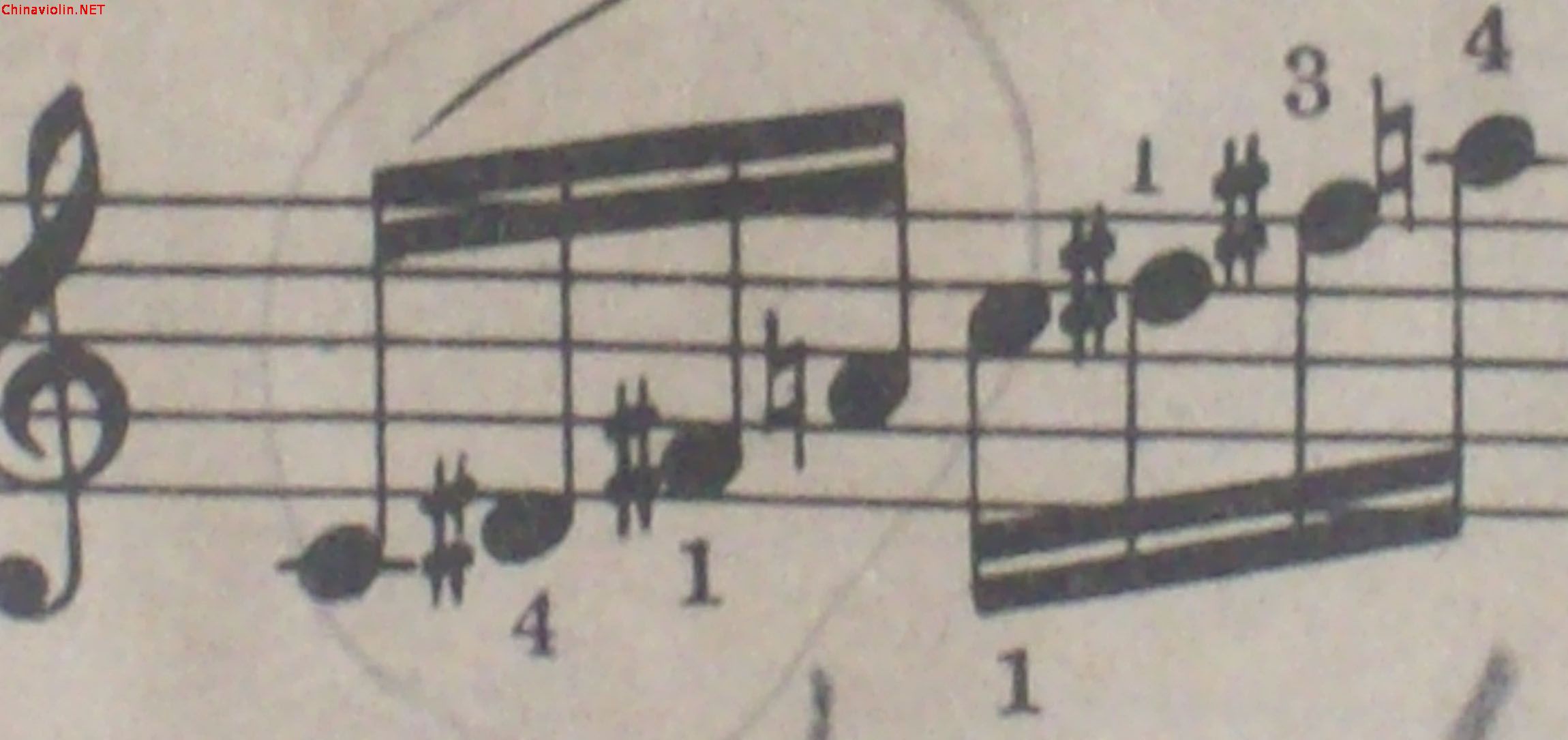
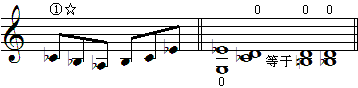
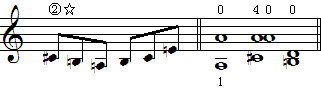
EN-US;mso-fareast-language:ZH-CN;mso-bidi-language:AR-SA">见下图共五行都是纯律小半音:</span><div><span style="font-size:12.0pt;font-family:宋体;
mso-ascii-font-family:&quot;Times New="New"  Roman&quot;;mso-hansi-font-family:&quot;Times New="New"  Roman&quot;;
mso-bidi-font-family:&quot;Times New="New"  Roman&quot;;mso-font-kerning:1.0pt;mso-ansi-language:
EN-US;mso-fareast-language:ZH-CN;mso-bidi-language:AR-SA"> 利用空弦双音纯律找音法2.gif <br/> 利用空弦双音纯律找音法4.gif <br/> 利用空弦双音纯律找音法7.gif <br/> 利用空弦双音纯律找音法10.gif <br/> 利用空弦双音纯律找音法12.gif <br/></span><p class="MsoNormal" style="text-indent:26.25pt;mso-char-indent-count:2.5"><span style="font-family:宋体;mso-ascii-font-family:&quot;Times New="New"  Roman&quot;;mso-hansi-font-family:
&quot;Times New="New"  Roman&quot;">以上五行</span><span style="font-size:12.0pt;font-family:新宋体;
mso-ascii-font-family:&quot;Times New="New"  Roman&quot;;mso-hansi-font-family:&quot;Times New="New"  Roman&quot;">显示了在空弦或与空弦是同音的、八度的音的伴随下,纯律各音高在有(被)等音的前提下,同名半音与异名半音都是纯律小半音关系。所谓为被等音详细介绍如下:</span><span style="font-size:12.0pt;font-family:宋体;mso-ascii-font-family:&quot;Times New="New"  Roman&quot;;
mso-hansi-font-family:&quot;Times New="New"  Roman&quot;">根据五度相生律的原则</span><span style="font-size:7.5pt;font-family:&quot;MS Mincho&quot;;mso-bidi-font-family:&quot;MS Mincho&quot;">?</span><span lang="EN-US" style="font-size:12.0pt">E</span><span style="font-size:12.0pt;
font-family:宋体;mso-ascii-font-family:&quot;Times New="New"  Roman&quot;;mso-hansi-font-family:
&quot;Times New="New"  Roman&quot;">不是</span><span lang="EN-US" style="font-size:12.0pt">F</span><span style="font-size:12.0pt;font-family:宋体;mso-ascii-font-family:&quot;Times New="New"  Roman&quot;;
mso-hansi-font-family:&quot;Times New="New"  Roman&quot;">,它比</span><span lang="EN-US" style="font-size:12.0pt">F</span><span style="font-size:12.0pt;font-family:
黑体">高<span lang="EN-US">24</span></span><span style="font-size:12.0pt;font-family:
宋体;mso-ascii-font-family:&quot;Times New="New"  Roman&quot;;mso-hansi-font-family:&quot;Times New="New"  Roman&quot;">个音分。但我们也知道纯律的</span><span lang="EN-US" style="font-size:12.0pt">F</span><span style="font-size:12.0pt;
font-family:宋体;mso-ascii-font-family:&quot;Times New="New"  Roman&quot;;mso-hansi-font-family:
&quot;Times New="New"  Roman&quot;">比五度相生律的</span><span lang="EN-US" style="font-size:12.0pt">F</span><span style="font-size:12.0pt;font-family:黑体">高<span lang="EN-US">22</span></span><span style="font-size:12.0pt;font-family:宋体">个音分</span><span style="font-size:12.0pt;
font-family:宋体;mso-ascii-font-family:&quot;Times New="New"  Roman&quot;;mso-hansi-font-family:
&quot;Times New="New"  Roman&quot;">。作为</span><span style="font-size:7.5pt;font-family:&quot;MS Mincho&quot;;
mso-bidi-font-family:&quot;MS Mincho&quot;">?</span><span lang="EN-US" style="font-size:
12.0pt">E</span><span style="font-size:12.0pt;font-family:宋体;mso-ascii-font-family:
&quot;Times New="New"  Roman&quot;;mso-hansi-font-family:&quot;Times New="New"  Roman&quot;">的</span><span lang="EN-US" style="font-size:12.0pt">F</span><span style="font-size:12.0pt;
font-family:宋体;mso-ascii-font-family:&quot;Times New="New"  Roman&quot;;mso-hansi-font-family:
&quot;Times New="New"  Roman&quot;">和纯律的</span><span lang="EN-US" style="font-size:12.0pt">F</span><span style="font-size:12.0pt;font-family:宋体;mso-ascii-font-family:&quot;Times New="New"  Roman&quot;;
mso-hansi-font-family:&quot;Times New="New"  Roman&quot;">只差</span><span lang="EN-US" style="font-size:12.0pt;font-family:黑体">2</span><span style="font-size:12.0pt;
font-family:宋体;mso-ascii-font-family:&quot;Times New="New"  Roman&quot;;mso-hansi-font-family:
&quot;Times New="New"  Roman&quot;">个音分,可不可以当成一个</span><span lang="EN-US" style="font-size:12.0pt">F</span><span style="font-size:12.0pt;font-family:宋体;mso-ascii-font-family:&quot;Times New="New"  Roman&quot;;
mso-hansi-font-family:&quot;Times New="New"  Roman&quot;">来用呢?事实上在小提琴演奏中常常被当做一个来用。</span><span style="font-size:12.0pt;font-family:黑体">【</span><span style="font-size:12.0pt;
font-family:宋体;mso-ascii-font-family:&quot;Times New="New"  Roman&quot;;mso-hansi-font-family:
&quot;Times New="New"  Roman&quot;">它是在</span><span lang="EN-US" style="font-size:12.0pt">D</span><span style="font-size:12.0pt;font-family:宋体;mso-ascii-font-family:&quot;Times New="New"  Roman&quot;;
mso-hansi-font-family:&quot;Times New="New"  Roman&quot;">弦用</span><span lang="EN-US" style="font-size:12.0pt">F</span><span style="font-size:12.0pt;font-family:
宋体;mso-ascii-font-family:&quot;Times New="New"  Roman&quot;;mso-hansi-font-family:&quot;Times New="New"  Roman&quot;">(</span><span style="font-size:7.5pt;font-family:&quot;MS Mincho&quot;;mso-bidi-font-family:&quot;MS Mincho&quot;">?</span><span lang="EN-US" style="font-size:12.0pt">E</span><span style="font-size:12.0pt;
font-family:宋体;mso-ascii-font-family:&quot;Times New="New"  Roman&quot;;mso-hansi-font-family:
&quot;Times New="New"  Roman&quot;">)与空弦</span><span lang="EN-US" style="font-size:12.0pt">A</span><span style="font-size:12.0pt;font-family:宋体;mso-ascii-font-family:&quot;Times New="New"  Roman&quot;;
mso-hansi-font-family:&quot;Times New="New"  Roman&quot;">构成纯律大三度双音来实现的】。另外</span><span style="font-size:7.5pt;font-family:&quot;MS Mincho&quot;;mso-bidi-font-family:&quot;MS Mincho&quot;">?</span><span lang="EN-US" style="font-size:12.0pt">B</span><span style="font-size:12.0pt;
font-family:宋体;mso-ascii-font-family:&quot;Times New="New"  Roman&quot;;mso-hansi-font-family:
&quot;Times New="New"  Roman&quot;">不是</span><span lang="EN-US" style="font-size:12.0pt">C</span><span style="font-size:12.0pt;font-family:宋体;mso-ascii-font-family:&quot;Times New="New"  Roman&quot;;
mso-hansi-font-family:&quot;Times New="New"  Roman&quot;">,它比</span><span lang="EN-US" style="font-size:12.0pt">C</span><span style="font-size:12.0pt;font-family:
宋体;mso-ascii-font-family:&quot;Times New="New"  Roman&quot;;mso-hansi-font-family:&quot;Times New="New"  Roman&quot;">高</span><span lang="EN-US" style="font-size:12.0pt;font-family:黑体">24</span><span style="font-size:12.0pt;font-family:宋体;mso-ascii-font-family:&quot;Times New="New"  Roman&quot;;
mso-hansi-font-family:&quot;Times New="New"  Roman&quot;">个音分,但我们也知道纯律的</span><span lang="EN-US" style="font-size:12.0pt">C</span><span style="font-size:12.0pt;font-family:
宋体;mso-ascii-font-family:&quot;Times New="New"  Roman&quot;;mso-hansi-font-family:&quot;Times New="New"  Roman&quot;">比五度相生律的</span><span lang="EN-US" style="font-size:12.0pt">C</span><span style="font-size:12.0pt;
font-family:黑体">高<span lang="EN-US">22</span></span><span style="font-size:12.0pt;
font-family:宋体;mso-ascii-font-family:&quot;Times New="New"  Roman&quot;;mso-hansi-font-family:
&quot;Times New="New"  Roman&quot;">个音分。作为</span><span style="font-size:7.5pt;font-family:&quot;MS Mincho&quot;;
mso-bidi-font-family:&quot;MS Mincho&quot;">?</span><span lang="EN-US" style="font-size:
12.0pt">B</span><span style="font-size:12.0pt;font-family:宋体;mso-ascii-font-family:
&quot;Times New="New"  Roman&quot;;mso-hansi-font-family:&quot;Times New="New"  Roman&quot;">的</span><span lang="EN-US" style="font-size:12.0pt">C</span><span style="font-size:12.0pt;
font-family:宋体;mso-ascii-font-family:&quot;Times New="New"  Roman&quot;;mso-hansi-font-family:
&quot;Times New="New"  Roman&quot;">和纯律的</span><span lang="EN-US" style="font-size:12.0pt">C</span><span style="font-size:12.0pt;font-family:宋体;mso-ascii-font-family:&quot;Times New="New"  Roman&quot;;
mso-hansi-font-family:&quot;Times New="New"  Roman&quot;">只差</span><span lang="EN-US" style="font-size:12.0pt;font-family:黑体">2</span><span style="font-size:12.0pt;
font-family:宋体;mso-ascii-font-family:&quot;Times New="New"  Roman&quot;;mso-hansi-font-family:
&quot;Times New="New"  Roman&quot;">个音分,可不可以当成一个</span><span lang="EN-US" style="font-size:12.0pt">C</span><span style="font-size:12.0pt;font-family:宋体;mso-ascii-font-family:&quot;Times New="New"  Roman&quot;;
mso-hansi-font-family:&quot;Times New="New"  Roman&quot;">来用呢?事实上在小提琴演奏中也经常被当做一个来用。【它是在</span><span lang="EN-US" style="font-size:12.0pt">A</span><span style="font-size:12.0pt;
font-family:宋体;mso-ascii-font-family:&quot;Times New="New"  Roman&quot;;mso-hansi-font-family:
&quot;Times New="New"  Roman&quot;">弦用</span><span lang="EN-US" style="font-size:12.0pt">C</span><span style="font-size:12.0pt;font-family:宋体;mso-ascii-font-family:&quot;Times New="New"  Roman&quot;;
mso-hansi-font-family:&quot;Times New="New"  Roman&quot;">(</span><span style="font-size:7.5pt;
font-family:&quot;MS Mincho&quot;;mso-bidi-font-family:&quot;MS Mincho&quot;">?</span><span lang="EN-US" style="font-size:12.0pt">B</span><span style="font-size:12.0pt;
font-family:宋体;mso-ascii-font-family:&quot;Times New="New"  Roman&quot;;mso-hansi-font-family:
&quot;Times New="New"  Roman&quot;">)与空弦</span><span lang="EN-US" style="font-size:12.0pt">E</span><span style="font-size:12.0pt;font-family:宋体;mso-ascii-font-family:&quot;Times New="New"  Roman&quot;;
mso-hansi-font-family:&quot;Times New="New"  Roman&quot;">构成纯律大三度双音来实现的】。又根据五度相生律的原则</span><span style="font-size:9.0pt;font-family:&quot;MS Gothic&quot;;mso-bidi-font-family:&quot;MS Gothic&quot;">?</span><span lang="EN-US" style="font-size:12.0pt">C</span><span style="font-size:12.0pt;
font-family:宋体;mso-ascii-font-family:&quot;Times New="New"  Roman&quot;;mso-hansi-font-family:
&quot;Times New="New"  Roman&quot;">不是</span><span lang="EN-US" style="font-size:12.0pt">B</span><span style="font-size:12.0pt;font-family:宋体;mso-ascii-font-family:&quot;Times New="New"  Roman&quot;;
mso-hansi-font-family:&quot;Times New="New"  Roman&quot;">,它比</span><span lang="EN-US" style="font-size:12.0pt">B</span><span style="font-size:12.0pt;font-family:
宋体;mso-ascii-font-family:&quot;Times New="New"  Roman&quot;;mso-hansi-font-family:&quot;Times New="New"  Roman&quot;">低</span><span lang="EN-US" style="font-size:12.0pt;font-family:黑体">24</span><span style="font-size:12.0pt;font-family:宋体;mso-ascii-font-family:&quot;Times New="New"  Roman&quot;;
mso-hansi-font-family:&quot;Times New="New"  Roman&quot;">个音分。但我们也知道纯律的</span><span lang="EN-US" style="font-size:12.0pt">B</span><span style="font-size:12.0pt;font-family:
宋体;mso-ascii-font-family:&quot;Times New="New"  Roman&quot;;mso-hansi-font-family:&quot;Times New="New"  Roman&quot;">比五度相生律的</span><span lang="EN-US" style="font-size:12.0pt">B</span><span style="font-size:12.0pt;
font-family:黑体">低<span lang="EN-US">22</span></span><span style="font-size:12.0pt;
font-family:宋体">个音分。</span><span style="font-size:12.0pt;font-family:宋体;
mso-ascii-font-family:&quot;Times New="New"  Roman&quot;;mso-hansi-font-family:&quot;Times New="New"  Roman&quot;">作为</span><span style="font-size:9.0pt;font-family:&quot;MS Gothic&quot;;mso-bidi-font-family:&quot;MS Gothic&quot;">?</span><span lang="EN-US" style="font-size:12.0pt">C</span><span style="font-size:12.0pt;
font-family:宋体;mso-ascii-font-family:&quot;Times New="New"  Roman&quot;;mso-hansi-font-family:
&quot;Times New="New"  Roman&quot;">的</span><span lang="EN-US" style="font-size:12.0pt">B</span><span style="font-size:12.0pt;font-family:宋体;mso-ascii-font-family:&quot;Times New="New"  Roman&quot;;
mso-hansi-font-family:&quot;Times New="New"  Roman&quot;">和纯律的</span><span lang="EN-US" style="font-size:12.0pt">B</span><span style="font-size:12.0pt;font-family:
宋体;mso-ascii-font-family:&quot;Times New="New"  Roman&quot;;mso-hansi-font-family:&quot;Times New="New"  Roman&quot;">只差</span><span lang="EN-US" style="font-size:12.0pt;font-family:黑体">2</span><span style="font-size:12.0pt;font-family:宋体;mso-ascii-font-family:&quot;Times New="New"  Roman&quot;;
mso-hansi-font-family:&quot;Times New="New"  Roman&quot;">个音分,可不可以当成一个</span><span lang="EN-US" style="font-size:12.0pt">B</span><span style="font-size:12.0pt;font-family:
宋体;mso-ascii-font-family:&quot;Times New="New"  Roman&quot;;mso-hansi-font-family:&quot;Times New="New"  Roman&quot;">来用呢?事实上在小提琴演奏中经常被当做一个来用。【它是在</span><span lang="EN-US" style="font-size:12.0pt">G</span><span style="font-size:12.0pt;
font-family:宋体;mso-ascii-font-family:&quot;Times New="New"  Roman&quot;;mso-hansi-font-family:
&quot;Times New="New"  Roman&quot;">弦用</span><span lang="EN-US" style="font-size:12.0pt">B</span><span style="font-size:12.0pt;font-family:宋体;mso-ascii-font-family:&quot;Times New="New"  Roman&quot;;
mso-hansi-font-family:&quot;Times New="New"  Roman&quot;">(</span><span style="font-size:9.0pt;
font-family:&quot;MS Gothic&quot;;mso-bidi-font-family:&quot;MS Gothic&quot;">?</span><span lang="EN-US" style="font-size:12.0pt">C</span><span style="font-size:12.0pt;
font-family:宋体;mso-ascii-font-family:&quot;Times New="New"  Roman&quot;;mso-hansi-font-family:
&quot;Times New="New"  Roman&quot;">)与空弦</span><span lang="EN-US" style="font-size:12.0pt">D</span><span style="font-size:12.0pt;font-family:宋体;mso-ascii-font-family:&quot;Times New="New"  Roman&quot;;
mso-hansi-font-family:&quot;Times New="New"  Roman&quot;">构成纯律小三度来实现的】另外</span><span lang="EN-US" style="font-size:9.0pt;font-family:&quot;MS Gothic&quot;;mso-bidi-font-family:&quot;MS Gothic&quot;">?</span><span lang="EN-US" style="font-size:12.0pt">F</span><span style="font-size:12.0pt;
font-family:宋体;mso-ascii-font-family:&quot;Times New="New"  Roman&quot;;mso-hansi-font-family:
&quot;Times New="New"  Roman&quot;">不是</span><span lang="EN-US" style="font-size:12.0pt">E</span><span style="font-size:12.0pt;font-family:宋体;mso-ascii-font-family:&quot;Times New="New"  Roman&quot;;
mso-hansi-font-family:&quot;Times New="New"  Roman&quot;">,它比</span><span lang="EN-US" style="font-size:12.0pt">E</span><span style="font-size:12.0pt;font-family:
宋体;mso-ascii-font-family:&quot;Times New="New"  Roman&quot;;mso-hansi-font-family:&quot;Times New="New"  Roman&quot;">低</span><span lang="EN-US" style="font-size:12.0pt;font-family:黑体">24 </span><span style="font-size:12.0pt;font-family:宋体;mso-ascii-font-family:&quot;Times New="New"  Roman&quot;;
mso-hansi-font-family:&quot;Times New="New"  Roman&quot;">个音分。但我们也知道纯律</span><span lang="EN-US" style="font-size:12.0pt">E</span><span style="font-size:12.0pt;font-family:
宋体;mso-ascii-font-family:&quot;Times New="New"  Roman&quot;;mso-hansi-font-family:&quot;Times New="New"  Roman&quot;">比五度相生律的</span><span lang="EN-US" style="font-size:12.0pt">E</span><span style="font-size:12.0pt;
font-family:宋体;mso-ascii-font-family:&quot;Times New="New"  Roman&quot;;mso-hansi-font-family:
&quot;Times New="New"  Roman&quot;">低</span><span lang="EN-US" style="font-size:12.0pt;font-family:
黑体">22</span><span style="font-size:12.0pt;font-family:宋体;mso-ascii-font-family:
&quot;Times New="New"  Roman&quot;;mso-hansi-font-family:&quot;Times New="New"  Roman&quot;">个音分。作为</span><span lang="EN-US" style="font-size:9.0pt;font-family:&quot;MS Gothic&quot;;mso-bidi-font-family:
&quot;MS Gothic&quot;">?</span><span lang="EN-US" style="font-size:12.0pt">F</span><span style="font-size:12.0pt;font-family:宋体;mso-ascii-font-family:&quot;Times New="New"  Roman&quot;;
mso-hansi-font-family:&quot;Times New="New"  Roman&quot;">的</span><span lang="EN-US" style="font-size:12.0pt">E</span><span style="font-size:12.0pt;font-family:
宋体;mso-ascii-font-family:&quot;Times New="New"  Roman&quot;;mso-hansi-font-family:&quot;Times New="New"  Roman&quot;">和纯律</span><span lang="EN-US" style="font-size:12.0pt">E</span><span style="font-size:12.0pt;
font-family:宋体;mso-ascii-font-family:&quot;Times New="New"  Roman&quot;;mso-hansi-font-family:
&quot;Times New="New"  Roman&quot;">只差</span><span lang="EN-US" style="font-size:12.0pt;
font-family:黑体">2</span><span style="font-size:12.0pt;font-family:宋体;
mso-ascii-font-family:&quot;Times New="New"  Roman&quot;;mso-hansi-font-family:&quot;Times New="New"  Roman&quot;">个音分,可不可以被当做一个</span><span lang="EN-US" style="font-size:12.0pt">E</span><span style="font-size:12.0pt;
font-family:宋体;mso-ascii-font-family:&quot;Times New="New"  Roman&quot;;mso-hansi-font-family:
&quot;Times New="New"  Roman&quot;">来用呢?事实上在小提琴演奏中经常被当做一个来用。【它是在</span><span lang="EN-US" style="font-size:12.0pt">D</span><span style="font-size:12.0pt;font-family:
宋体;mso-ascii-font-family:&quot;Times New="New"  Roman&quot;;mso-hansi-font-family:&quot;Times New="New"  Roman&quot;">弦用</span><span lang="EN-US" style="font-size:12.0pt">E</span><span style="font-size:12.0pt;
font-family:宋体;mso-ascii-font-family:&quot;Times New="New"  Roman&quot;;mso-hansi-font-family:
&quot;Times New="New"  Roman&quot;">(</span><span style="font-size:9.0pt;font-family:&quot;MS Gothic&quot;;
mso-ascii-font-family:黑体;mso-bidi-font-family:&quot;MS Gothic&quot;">?</span><span lang="EN-US" style="font-size:12.0pt">F</span><span style="font-size:12.0pt;
font-family:宋体;mso-ascii-font-family:&quot;Times New="New"  Roman&quot;;mso-hansi-font-family:
&quot;Times New="New"  Roman&quot;">)与空弦</span><span lang="EN-US" style="font-size:12.0pt">G</span><span style="font-size:12.0pt;font-family:宋体;mso-ascii-font-family:&quot;Times New="New"  Roman&quot;;
mso-hansi-font-family:&quot;Times New="New"  Roman&quot;">构成纯律大六度来实现的】。</span><span lang="EN-US" style="font-size:12.0pt">24</span><span style="font-size:12.0pt;font-family:
宋体;mso-ascii-font-family:&quot;Times New="New"  Roman&quot;;mso-hansi-font-family:&quot;Times New="New"  Roman&quot;">个音分是一个最大音差,根据我的观察在小提琴第一把位大概相当于</span><span lang="EN-US" style="font-size:12.0pt">12</span><span style="font-size:12.0pt;
font-family:宋体;mso-ascii-font-family:&quot;Times New="New"  Roman&quot;;mso-hansi-font-family:
&quot;Times New="New"  Roman&quot;">跟头发丝的宽度。</span><span lang="EN-US" style="font-size:12.0pt">2</span><span style="font-size:12.0pt;font-family:宋体;mso-ascii-font-family:&quot;Times New="New"  Roman&quot;;
mso-hansi-font-family:&quot;Times New="New"  Roman&quot;">个音分不过就是一根头发丝的直径。所以五度相生律的</span><span style="font-size:7.5pt;font-family:&quot;MS Mincho&quot;;mso-bidi-font-family:&quot;MS Mincho&quot;">?</span><span lang="EN-US" style="font-size:12.0pt">E</span><span style="font-size:12.0pt;
font-family:宋体;mso-ascii-font-family:&quot;Times New="New"  Roman&quot;;mso-hansi-font-family:
&quot;Times New="New"  Roman&quot;">与纯律的还原</span><span lang="EN-US" style="font-size:12.0pt">F</span><span style="font-size:12.0pt;font-family:宋体;mso-ascii-font-family:&quot;Times New="New"  Roman&quot;;
mso-hansi-font-family:&quot;Times New="New"  Roman&quot;">被当做一个音来用,也就是等音。所以使用纯律时</span><span style="font-size:7.5pt;font-family:&quot;MS Mincho&quot;;mso-bidi-font-family:&quot;MS Mincho&quot;">?</span><span lang="EN-US" style="font-size:12.0pt">C</span><span style="font-size:12.0pt;
font-family:宋体;mso-ascii-font-family:&quot;Times New="New"  Roman&quot;;mso-hansi-font-family:
&quot;Times New="New"  Roman&quot;">和</span><span lang="EN-US" style="font-size:9.0pt;font-family:
&quot;MS Gothic&quot;;mso-bidi-font-family:&quot;MS Gothic&quot;">?</span><span lang="EN-US" style="font-size:12.0pt">D</span><span style="font-size:12.0pt;font-family:
宋体;mso-ascii-font-family:&quot;Times New="New"  Roman&quot;;mso-hansi-font-family:&quot;Times New="New"  Roman&quot;">也是等音。因为纯律</span><span lang="EN-US" style="font-size:12.0pt">C</span><span style="font-size:12.0pt;
font-family:宋体;mso-ascii-font-family:&quot;Times New="New"  Roman&quot;;mso-hansi-font-family:
&quot;Times New="New"  Roman&quot;">高,升</span><span lang="EN-US" style="font-size:12.0pt">C</span><span style="font-size:12.0pt;font-family:宋体;mso-ascii-font-family:&quot;Times New="New"  Roman&quot;;
mso-hansi-font-family:&quot;Times New="New"  Roman&quot;">低,</span><span style="font-size:12.0pt">
</span><span style="font-size:12.0pt;font-family:宋体;mso-ascii-font-family:&quot;Times New="New"  Roman&quot;;
mso-hansi-font-family:&quot;Times New="New"  Roman&quot;">以及</span><span lang="EN-US" style="font-size:12.0pt">C</span><span style="font-size:12.0pt;font-family:
宋体;mso-ascii-font-family:&quot;Times New="New"  Roman&quot;;mso-hansi-font-family:&quot;Times New="New"  Roman&quot;">高,降</span><span lang="EN-US" style="font-size:12.0pt">D</span><span style="font-size:12.0pt;
font-family:宋体;mso-ascii-font-family:&quot;Times New="New"  Roman&quot;;mso-hansi-font-family:
&quot;Times New="New"  Roman&quot;">低,便构成了小半音。见以上谱例第二行第三小节。</span><span lang="EN-US" style="font-size:12.0pt"><o:p></o:p></span></p>

<p class="MsoNormal" style="text-indent:24.0pt;mso-char-indent-count:2.0"><span style="font-size:12.0pt;font-family:宋体;mso-ascii-font-family:&quot;Times New="New"  Roman&quot;;
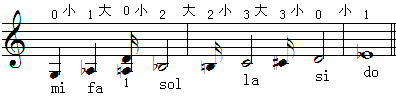
mso-hansi-font-family:&quot;Times New="New"  Roman&quot;">以下是六行显示了五度相生律小半音和五度相生律大半音的对比状况。两个音之间写‘小’字表示小半音,写‘大’字表示大半音。异名就是小半音,同名就是大半音,这是五度相生律半音的规律。</span><span lang="EN-US" style="font-size:12.0pt"><o:p></o:p></span></p>

<p class="MsoNormal" style="margin-left:6.0pt;text-indent:-6.0pt;mso-char-indent-count:
-.5"><span lang="EN-US" style="font-size:12.0pt">&nbsp;&nbsp;&nbsp; </span><span style="font-size:12.0pt;
font-family:宋体;mso-ascii-font-family:&quot;Times New="New"  Roman&quot;;mso-hansi-font-family:
&quot;Times New="New"  Roman&quot;">另外下面标注有首调唱名表示它们给人的感受都是一致的,这是五度相律歌唱性半音阶的练习方法。快速经过性半音音阶则可使用十二平均律。</span><span lang="EN-US" style="font-size:12.0pt;mso-fareast-font-family:新宋体"><o:p></o:p></span></p><p class="MsoNormal" style="margin-left:6.0pt;text-indent:-6.0pt;mso-char-indent-count:
-.5"><span style="font-size:12.0pt;
font-family:宋体;mso-ascii-font-family:&quot;Times New="New"  Roman&quot;;mso-hansi-font-family:
&quot;Times New="New"  Roman&quot;"> 五度律大小半音1.gif <br/> 五度律大小半音2.gif <br/> 五度律大小半音3.gif <br/> 五度律大小半音4.gif <br/> 五度律大小半音5.gif 五度律大小半音6.gif </span></p></div>
引用 安东汉文D 2013-12-10 18:01
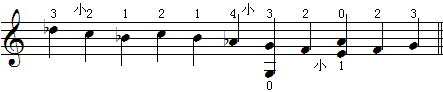
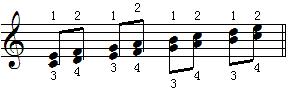
&nbsp; &nbsp; &nbsp;&nbsp;<span style="font-family: 宋体; font-size: 12pt;">以下是五度相生律旋律歌唱性半音练习,两音之间‘小’字的就是小半音,‘大’字就是大半音。注意要把写有空弦的音作为标准,八度或四度要与其对准。</span><p class="MsoNormal"><span lang="EN-US" style="font-size:12.0pt"><o:p></o:p></span></p><div><span style="font-family: 宋体; font-size: 12pt;"> 五度律大小半音7.gif <br/> 五度律大小半音8.gif <br/> 五度律大小半音9.gif <br/> 五度律大小半音10.gif <br/> 五度律大小半音11.gif <br/></span><p class="MsoNormal"><span style="font-size:12.0pt;font-family:宋体;mso-ascii-font-family:
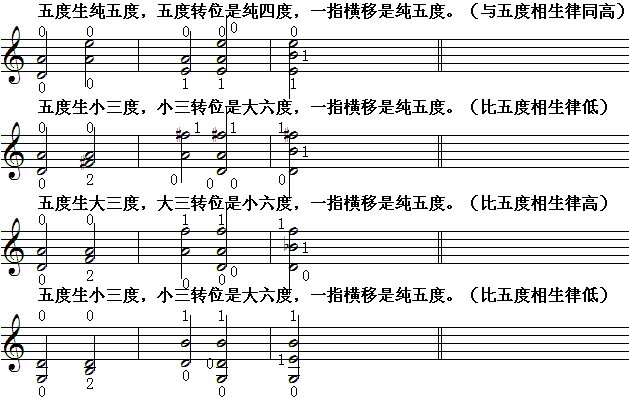
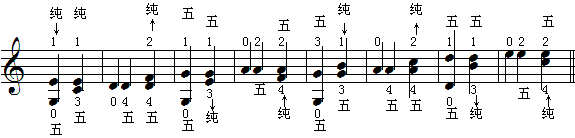
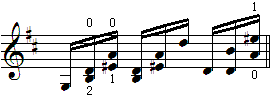
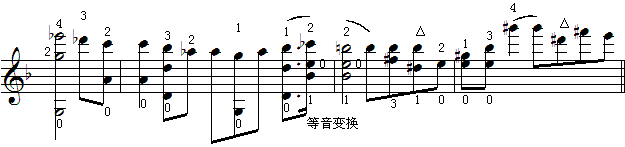
&quot;Times New="New"  Roman&quot;;mso-hansi-font-family:&quot;Times New="New"  Roman&quot;">&nbsp; &nbsp; 以下四行谱例进一步说明如何区分纯律小半音和五度相生律小半音;如何建立五度相生律的音高和纯律的音高。谱例中写‘纯’表示这个音是纯律的音高,写‘五’表示这个音是五度相生律的音高。在大多数情况下纯律的音高都是伴随着一个五度相生律的音高而产生,如大三、小三、大六、小六、大十、小十度双音;而这些纯律的音高都不同于五度相生律的音高。之后这些纯律的音高进行五度横移造成五度双音时,也会同五度相生律的音高不一样,再之后五度转位成四度也与五度相生律的音高不一样。纯律的纯五度、纯四度与五度相生律的纯五度、纯四度的音高是不一样的。他们纯度一样,高度不一样。</span><span lang="EN-US" style="font-size:12.0pt"><o:p></o:p></span></p><p class="MsoNormal"><span style="font-size:12.0pt;font-family:宋体;mso-ascii-font-family:
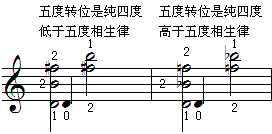
&quot;Times New="New"  Roman&quot;;mso-hansi-font-family:&quot;Times New="New"  Roman&quot;"> 五与纯的识别5.gif <br/> 五与纯的识别24.gif <br/> 五与纯的识别7.gif <br/> 五与纯的识别8.gif <br/> 五度生三度2.gif <br/></span><p class="MsoNormal"><span style="font-size:12.0pt;font-family:新宋体">从上图看纯律的纯五度会比五度相生律的纯五度低或高,看图中第二行最后一小节与第三行最后一小节。它们转位后产生的纯律的纯四度也会比五度相生律的纯四度高或低,看下图: 五与纯的识别9.gif <br/><span lang="EN-US"><o:p></o:p></span></span></p><p class="MsoNormal"><p class="MsoNormal" style="text-indent:24.0pt"><span style="font-size:12.0pt;
font-family:宋体;mso-ascii-font-family:&quot;Times New="New"  Roman&quot;;mso-hansi-font-family:
&quot;Times New="New"  Roman&quot;">这一段我主要强调的是别把纯律的纯四度、纯五度和五度相生律的纯四度、纯五度相混淆,这也是容易把五度相生律和纯律搞混的重要原因之一。</span><span lang="EN-US" style="font-size:12.0pt"><o:p></o:p></span></p>

<p class="MsoNormal"><span lang="EN-US" style="font-size:12.0pt">&nbsp; <o:p></o:p></span></p>

<p class="MsoNormal" style="text-indent:6.0pt;mso-char-indent-count:.5"><span lang="EN-US" style="font-size:12.0pt">&nbsp;</span><span style="font-size:12.0pt;font-family:宋体;mso-ascii-font-family:&quot;Times New="New"  Roman&quot;;
mso-hansi-font-family:&quot;Times New="New"  Roman&quot;">(准概原)论述:<b>第六节</b></span><b><span lang="EN-US" style="font-size:12.0pt">&nbsp; </span></b><b><span style="font-size:12.0pt;font-family:
宋体;mso-ascii-font-family:&quot;Times New="New"  Roman&quot;;mso-hansi-font-family:&quot;Times New="New"  Roman&quot;">三度双音音阶的音准问题,</span></b><span lang="EN-US" style="font-size:12.0pt"><o:p></o:p></span></p><p class="MsoNormal" style="text-indent:6.0pt;mso-char-indent-count:.5"><b><span style="font-size:12.0pt;font-family:
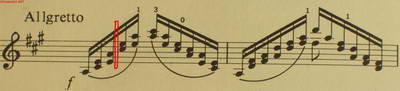
宋体;mso-ascii-font-family:&quot;Times New="New"  Roman&quot;;mso-hansi-font-family:&quot;Times New="New"  Roman&quot;"> 五与纯的识别1.gif <br/></span></b><p class="MsoNormal" style="text-indent:24.0pt"><span style="font-size:12.0pt;
font-family:宋体;mso-ascii-font-family:&quot;Times New="New"  Roman&quot;;mso-hansi-font-family:
&quot;Times New="New"  Roman&quot;">“在谱例中拉</span><span lang="EN-US" style="font-size:12.0pt">e</span><span lang="EN-US" style="font-size:7.5pt">1</span><span style="font-size:12.0pt;
font-family:宋体;mso-ascii-font-family:&quot;Times New="New"  Roman&quot;;mso-hansi-font-family:
&quot;Times New="New"  Roman&quot;">、</span><span lang="EN-US" style="font-size:12.0pt">g</span><span lang="EN-US" style="font-size:7.5pt">1</span><span style="font-size:12.0pt;
font-family:宋体;mso-ascii-font-family:&quot;Times New="New"  Roman&quot;;mso-hansi-font-family:
&quot;Times New="New"  Roman&quot;">两音时,一般习惯用</span><span lang="EN-US" style="font-size:12.0pt">g</span><span lang="EN-US" style="font-size:7.5pt">1</span><span style="font-size:12.0pt;
font-family:宋体;mso-ascii-font-family:&quot;Times New="New"  Roman&quot;;mso-hansi-font-family:
&quot;Times New="New"  Roman&quot;">音去对空弦</span><span lang="EN-US" style="font-size:12.0pt">G</span><span style="font-size:12.0pt;font-family:宋体;mso-ascii-font-family:&quot;Times New="New"  Roman&quot;;
mso-hansi-font-family:&quot;Times New="New"  Roman&quot;">弦,再往上拉到</span><span lang="EN-US" style="font-size:12.0pt">f</span><span lang="EN-US" style="font-size:7.5pt">1</span><span style="font-size:12.0pt;font-family:宋体;mso-ascii-font-family:&quot;Times New="New"  Roman&quot;;
mso-hansi-font-family:&quot;Times New="New"  Roman&quot;">、</span><span lang="EN-US" style="font-size:12.0pt">a</span><span lang="EN-US" style="font-size:7.5pt">1</span><span style="font-size:12.0pt;font-family:宋体;mso-ascii-font-family:&quot;Times New="New"  Roman&quot;;
mso-hansi-font-family:&quot;Times New="New"  Roman&quot;">两音时,用</span><span lang="EN-US" style="font-size:12.0pt">a</span><span lang="EN-US" style="font-size:7.5pt">1</span><span style="font-size:12.0pt;font-family:宋体;mso-ascii-font-family:&quot;Times New="New"  Roman&quot;;
mso-hansi-font-family:&quot;Times New="New"  Roman&quot;">去对空弦</span><span lang="EN-US" style="font-size:12.0pt">A</span><span style="font-size:12.0pt;font-family:
宋体;mso-ascii-font-family:&quot;Times New="New"  Roman&quot;;mso-hansi-font-family:&quot;Times New="New"  Roman&quot;">弦时常发现</span><span lang="EN-US" style="font-size:12.0pt">a</span><span lang="EN-US" style="font-size:
7.5pt">1</span><span style="font-size:12.0pt;font-family:宋体;mso-ascii-font-family:
&quot;Times New="New"  Roman&quot;;mso-hansi-font-family:&quot;Times New="New"  Roman&quot;">音低了一些,同样情况拉到</span><span lang="EN-US" style="font-size:12.0pt">c</span><span lang="EN-US" style="font-size:
7.5pt">2</span><span style="font-size:12.0pt;font-family:宋体;mso-ascii-font-family:
&quot;Times New="New"  Roman&quot;;mso-hansi-font-family:&quot;Times New="New"  Roman&quot;">、</span><span lang="EN-US" style="font-size:12.0pt">e</span><span lang="EN-US" style="font-size:
7.5pt">2</span><span style="font-size:12.0pt;font-family:宋体;mso-ascii-font-family:
&quot;Times New="New"  Roman&quot;;mso-hansi-font-family:&quot;Times New="New"  Roman&quot;">音时,对空弦</span><span lang="EN-US" style="font-size:12.0pt">E</span><span style="font-size:12.0pt;
font-family:宋体;mso-ascii-font-family:&quot;Times New="New"  Roman&quot;;mso-hansi-font-family:
&quot;Times New="New"  Roman&quot;">弦发现</span><span lang="EN-US" style="font-size:12.0pt">e</span><span lang="EN-US" style="font-size:7.5pt">2</span><span style="font-size:12.0pt;
font-family:宋体;mso-ascii-font-family:&quot;Times New="New"  Roman&quot;;mso-hansi-font-family:
&quot;Times New="New"  Roman&quot;">音也低,应该看到这种现象是用五度相生律的概念在半音靠得太紧所造成,在横的方面(上声部进行和下声部进行)的半音进行用五度相生律,而在垂直方面(即和声上)用纯律,这就要发生问题。……常见解决这个矛盾的办法是不将</span><span lang="EN-US" style="font-size:12.0pt">g</span><span lang="EN-US" style="font-size:
7.5pt">1</span><span style="font-size:12.0pt;font-family:宋体;mso-ascii-font-family:
&quot;Times New="New"  Roman&quot;;mso-hansi-font-family:&quot;Times New="New"  Roman&quot;">去对</span><span lang="EN-US" style="font-size:12.0pt">G</span><span style="font-size:12.0pt;
font-family:宋体;mso-ascii-font-family:&quot;Times New="New"  Roman&quot;;mso-hansi-font-family:
&quot;Times New="New"  Roman&quot;">空弦,而是去对</span><span lang="EN-US" style="font-size:12.0pt">A</span><span style="font-size:12.0pt;font-family:宋体;mso-ascii-font-family:&quot;Times New="New"  Roman&quot;;
mso-hansi-font-family:&quot;Times New="New"  Roman&quot;">弦上的</span><span lang="EN-US" style="font-size:12.0pt">b1</span><span style="font-size:12.0pt;font-family:
宋体;mso-ascii-font-family:&quot;Times New="New"  Roman&quot;;mso-hansi-font-family:&quot;Times New="New"  Roman&quot;">音,而</span><span lang="EN-US" style="font-size:12.0pt">b1</span><span style="font-size:12.0pt;
font-family:宋体;mso-ascii-font-family:&quot;Times New="New"  Roman&quot;;mso-hansi-font-family:
&quot;Times New="New"  Roman&quot;">音的高度可以是与</span><span lang="EN-US" style="font-size:12.0pt">D</span><span style="font-size:12.0pt;font-family:宋体;mso-ascii-font-family:&quot;Times New="New"  Roman&quot;;
mso-hansi-font-family:&quot;Times New="New"  Roman&quot;">空弦对准为大六度,也可与</span><span lang="EN-US" style="font-size:12.0pt">E</span><span style="font-size:12.0pt;font-family:
宋体;mso-ascii-font-family:&quot;Times New="New"  Roman&quot;;mso-hansi-font-family:&quot;Times New="New"  Roman&quot;">对成纯四度,两种办法都把</span><span lang="EN-US" style="font-size:12.0pt">g</span><span lang="EN-US" style="font-size:
7.5pt">1</span><span style="font-size:12.0pt;font-family:宋体;mso-ascii-font-family:
&quot;Times New="New"  Roman&quot;;mso-hansi-font-family:&quot;Times New="New"  Roman&quot;">音提高了,不过以</span><span lang="EN-US" style="font-size:12.0pt">E</span><span style="font-size:12.0pt;
font-family:宋体;mso-ascii-font-family:&quot;Times New="New"  Roman&quot;;mso-hansi-font-family:
&quot;Times New="New"  Roman&quot;">弦对的</span><span lang="EN-US" style="font-size:12.0pt">b1</span><span style="font-size:12.0pt;font-family:宋体;mso-ascii-font-family:&quot;Times New="New"  Roman&quot;;
mso-hansi-font-family:&quot;Times New="New"  Roman&quot;">音更高,这种办法将使空弦</span><span lang="EN-US" style="font-size:12.0pt">G</span><span style="font-size:12.0pt;font-family:
宋体;mso-ascii-font-family:&quot;Times New="New"  Roman&quot;;mso-hansi-font-family:&quot;Times New="New"  Roman&quot;">与上面一个八度和两个八度的</span><span lang="EN-US" style="font-size:12.0pt">g</span><span lang="EN-US" style="font-size:
7.5pt">1</span><span style="font-size:12.0pt;font-family:宋体;mso-ascii-font-family:
&quot;Times New="New"  Roman&quot;;mso-hansi-font-family:&quot;Times New="New"  Roman&quot;">不统一,而其它的音也不统一,造成音高的混乱,应放弃五度相生律,将半音加宽成大半音即纯律的半音……”</span><span lang="EN-US" style="font-size:12.0pt"><o:p></o:p></span></p>

<span style="font-size:12.0pt;font-family:宋体;mso-ascii-font-family:&quot;Times New="New"  Roman&quot;;
mso-hansi-font-family:&quot;Times New="New"  Roman&quot;;mso-bidi-font-family:&quot;Times New="New"  Roman&quot;;
mso-font-kerning:1.0pt;mso-ansi-language:EN-US;mso-fareast-language:ZH-CN;
mso-bidi-language:AR-SA">我看不一定,概念和原则都有问题,首先</span><span lang="EN-US" style="font-size:12.0pt;font-family:&quot;Times New="New"  Roman&quot;;mso-fareast-font-family:
宋体;mso-font-kerning:1.0pt;mso-ansi-language:EN-US;mso-fareast-language:ZH-CN;
mso-bidi-language:AR-SA">g1</span><span style="font-size:12.0pt;font-family:
宋体;mso-ascii-font-family:&quot;Times New="New"  Roman&quot;;mso-hansi-font-family:&quot;Times New="New"  Roman&quot;;
mso-bidi-font-family:&quot;Times New="New"  Roman&quot;;mso-font-kerning:1.0pt;mso-ansi-language:
EN-US;mso-fareast-language:ZH-CN;mso-bidi-language:AR-SA">音对空弦</span><span lang="EN-US" style="font-size:12.0pt;font-family:&quot;Times New="New"  Roman&quot;;mso-fareast-font-family:
宋体;mso-font-kerning:1.0pt;mso-ansi-language:EN-US;mso-fareast-language:ZH-CN;
mso-bidi-language:AR-SA">G</span><span style="font-size:12.0pt;font-family:
宋体;mso-ascii-font-family:&quot;Times New="New"  Roman&quot;;mso-hansi-font-family:&quot;Times New="New"  Roman&quot;;
mso-bidi-font-family:&quot;Times New="New"  Roman&quot;;mso-font-kerning:1.0pt;mso-ansi-language:
EN-US;mso-fareast-language:ZH-CN;mso-bidi-language:AR-SA">后与</span><span lang="EN-US" style="font-size:12.0pt;font-family:&quot;Times New="New"  Roman&quot;;mso-fareast-font-family:
宋体;mso-font-kerning:1.0pt;mso-ansi-language:EN-US;mso-fareast-language:ZH-CN;
mso-bidi-language:AR-SA">b1</span><span style="font-size:12.0pt;font-family:
宋体;mso-ascii-font-family:&quot;Times New="New"  Roman&quot;;mso-hansi-font-family:&quot;Times New="New"  Roman&quot;;
mso-bidi-font-family:&quot;Times New="New"  Roman&quot;;mso-font-kerning:1.0pt;mso-ansi-language:
EN-US;mso-fareast-language:ZH-CN;mso-bidi-language:AR-SA">音构成和谐纯律的大三度双音,同在</span><span lang="EN-US" style="font-size:12.0pt;font-family:&quot;Times New="New"  Roman&quot;;mso-fareast-font-family:
宋体;mso-font-kerning:1.0pt;mso-ansi-language:EN-US;mso-fareast-language:ZH-CN;
mso-bidi-language:AR-SA">A</span><span style="font-size:12.0pt;font-family:
宋体;mso-ascii-font-family:&quot;Times New="New"  Roman&quot;;mso-hansi-font-family:&quot;Times New="New"  Roman&quot;;
mso-bidi-font-family:&quot;Times New="New"  Roman&quot;;mso-font-kerning:1.0pt;mso-ansi-language:
EN-US;mso-fareast-language:ZH-CN;mso-bidi-language:AR-SA">弦上</span><span lang="EN-US" style="font-size:12.0pt;font-family:&quot;Times New="New"  Roman&quot;;mso-fareast-font-family:
宋体;mso-font-kerning:1.0pt;mso-ansi-language:EN-US;mso-fareast-language:ZH-CN;
mso-bidi-language:AR-SA">b1</span><span style="font-size:12.0pt;font-family:
宋体;mso-ascii-font-family:&quot;Times New="New"  Roman&quot;;mso-hansi-font-family:&quot;Times New="New"  Roman&quot;;
mso-bidi-font-family:&quot;Times New="New"  Roman&quot;;mso-font-kerning:1.0pt;mso-ansi-language:
EN-US;mso-fareast-language:ZH-CN;mso-bidi-language:AR-SA">音与空弦</span><span lang="EN-US" style="font-size:12.0pt;font-family:&quot;Times New="New"  Roman&quot;;mso-fareast-font-family:
宋体;mso-font-kerning:1.0pt;mso-ansi-language:EN-US;mso-fareast-language:ZH-CN;
mso-bidi-language:AR-SA">D</span><span style="font-size:12.0pt;font-family:
宋体;mso-ascii-font-family:&quot;Times New="New"  Roman&quot;;mso-hansi-font-family:&quot;Times New="New"  Roman&quot;;
mso-bidi-font-family:&quot;Times New="New"  Roman&quot;;mso-font-kerning:1.0pt;mso-ansi-language:
EN-US;mso-fareast-language:ZH-CN;mso-bidi-language:AR-SA">构成的和谐纯律大六度是一个音,两个</span><span lang="EN-US" style="font-size:12.0pt;font-family:&quot;Times New="New"  Roman&quot;;mso-fareast-font-family:
宋体;mso-font-kerning:1.0pt;mso-ansi-language:EN-US;mso-fareast-language:ZH-CN;
mso-bidi-language:AR-SA">b1</span><span style="font-size:12.0pt;font-family:
宋体;mso-ascii-font-family:&quot;Times New="New"  Roman&quot;;mso-hansi-font-family:&quot;Times New="New"  Roman&quot;;
mso-bidi-font-family:&quot;Times New="New"  Roman&quot;;mso-font-kerning:1.0pt;mso-ansi-language:
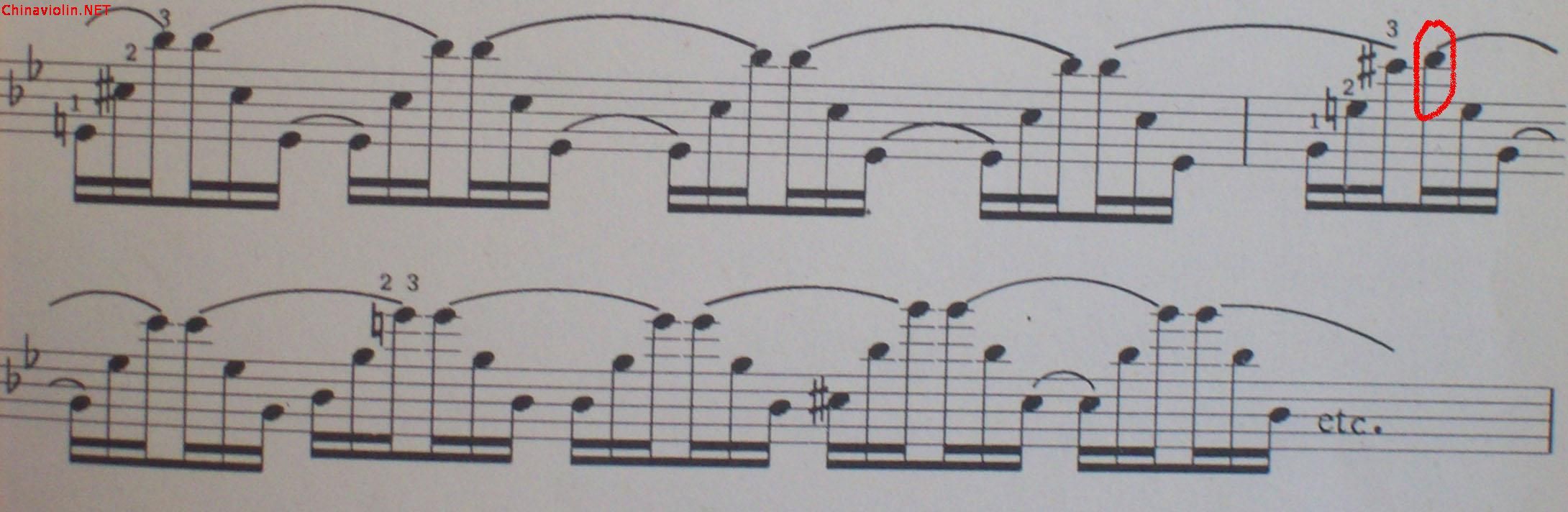
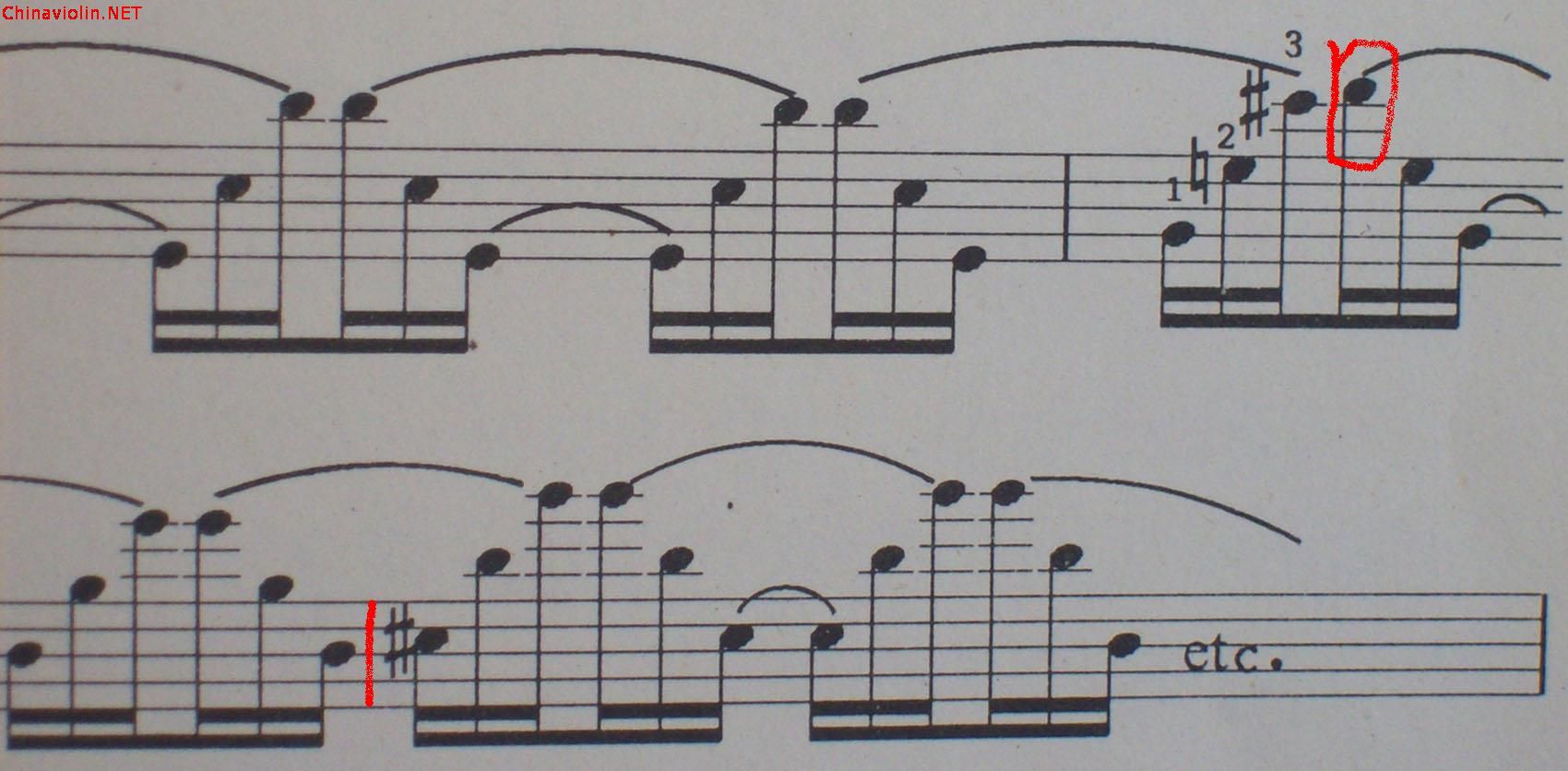
EN-US;mso-fareast-language:ZH-CN;mso-bidi-language:AR-SA">音高相等,都是纯律的音高 五与纯的识别11.gif </span><span style="font-size: 12pt; font-family: 宋体;">与五度相生律的</span><span lang="EN-US" style="font-size: 12pt; font-family: 'Times New="New"  Roman';">b1</span><span style="font-size: 12pt; font-family: 宋体;">差</span><span lang="EN-US" style="font-size: 12pt; font-family: 'Times New="New"  Roman';">22</span><span style="font-size: 12pt; font-family: 宋体;">个音分,即低一个普通音差。</span><span lang="EN-US" style="font-size: 12pt; font-family: 'Times New="New"  Roman';">b1</span><span style="font-size: 12pt; font-family: 宋体;">与空弦</span><span lang="EN-US" style="font-size: 12pt; font-family: 'Times New="New"  Roman';">E</span><span style="font-size: 12pt; font-family: 宋体;">对成纯四度就是五度相生律的音高 五与纯的识别15.gif </span><span style="text-indent: 24pt; font-size: 12pt; font-family: 宋体;">只有这一种办法能将</span><span lang="EN-US" style="text-indent: 24pt; font-size: 12pt;">b1</span><span style="text-indent: 24pt; font-size: 12pt; font-family: 宋体;">音提高。以上说明作者把五度相生律、纯律、四分之一音全搞混了。</span></p>

<p class="MsoNormal" style="text-indent:24.0pt"><span style="font-size:12.0pt;
font-family:宋体;mso-ascii-font-family:&quot;Times New="New"  Roman&quot;;mso-hansi-font-family:
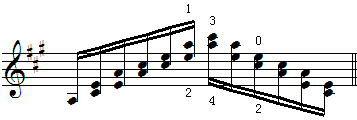
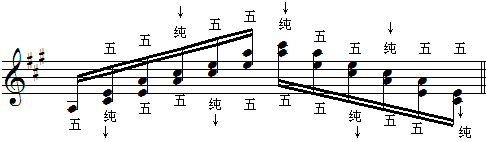
&quot;Times New="New"  Roman&quot;">正确的方法是:把五度相生律的音高当成纯律音高的依靠,还是那句话,没有五度相生律就没有纯律。纯律的音高是建立在五度相生律音高的基础上的。具体操作如下:</span><span lang="EN-US" style="font-size:12.0pt"><o:p></o:p></span></p>

<p class="MsoNormal" style="text-indent:24.0pt"><span style="font-size:12.0pt;
font-family:宋体;mso-ascii-font-family:&quot;Times New="New"  Roman&quot;;mso-hansi-font-family:
&quot;Times New="New"  Roman&quot;">方法</span><span lang="EN-US" style="font-size:12.0pt">1</span><span style="font-size:12.0pt;font-family:宋体;mso-ascii-font-family:&quot;Times New="New"  Roman&quot;;
mso-hansi-font-family:&quot;Times New="New"  Roman&quot;">、 五与纯的识别2.gif <br/></span><span lang="EN-US" style="font-size:12.0pt"><o:p></o:p></span></p><p class="MsoNormal" style="text-indent:24.0pt"><p class="MsoNormal" style="text-indent:24.0pt"><span style="font-size:12.0pt;
font-family:宋体;mso-ascii-font-family:&quot;Times New="New"  Roman&quot;;mso-hansi-font-family:
&quot;Times New="New"  Roman&quot;">方法</span><span lang="EN-US" style="font-size:12.0pt">2</span><span style="font-size:12.0pt;font-family:宋体;mso-ascii-font-family:&quot;Times New="New"  Roman&quot;;
mso-hansi-font-family:&quot;Times New="New"  Roman&quot;">、 五与纯的识别10.gif <br/></span><span lang="EN-US" style="font-size:12.0pt"><o:p></o:p></span></p><p class="MsoNormal" style="text-indent:24.0pt"><p class="MsoNormal" style="text-indent:24.0pt"><span style="font-size:12.0pt;
font-family:宋体;mso-ascii-font-family:&quot;Times New="New"  Roman&quot;;mso-hansi-font-family:
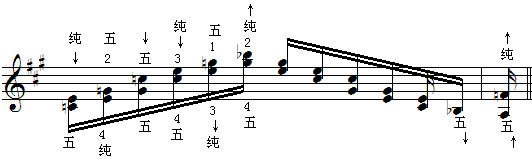
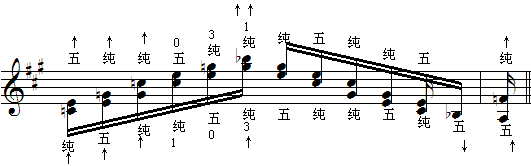
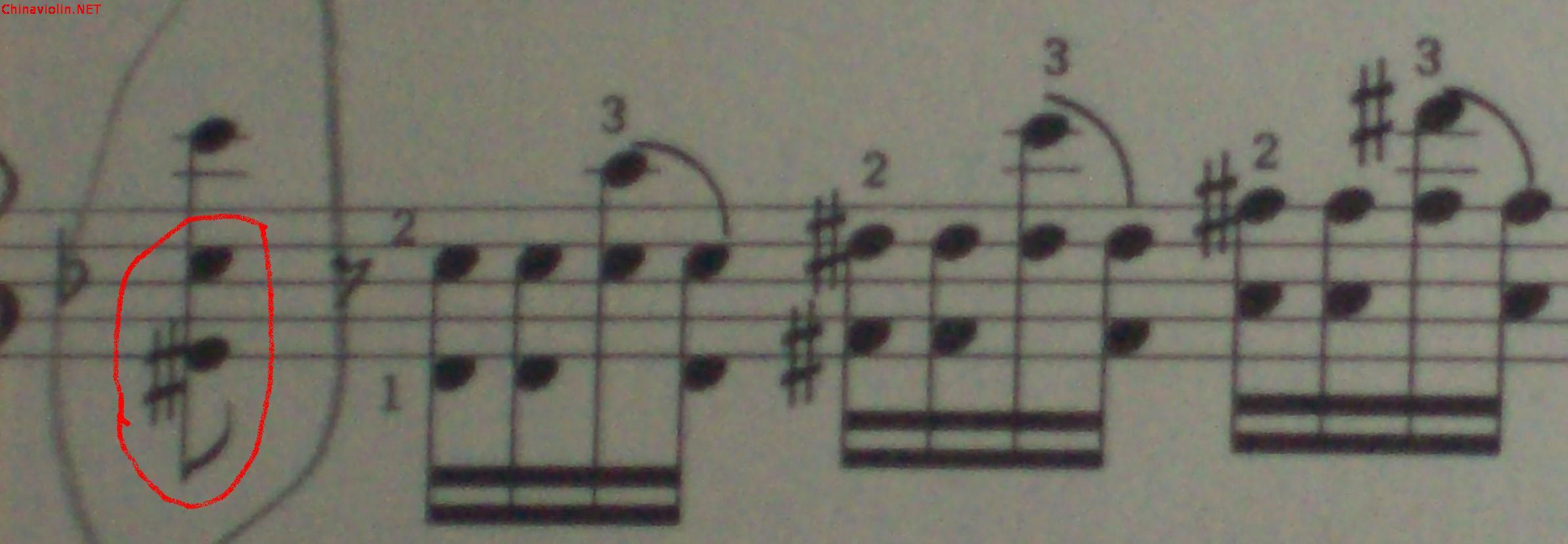
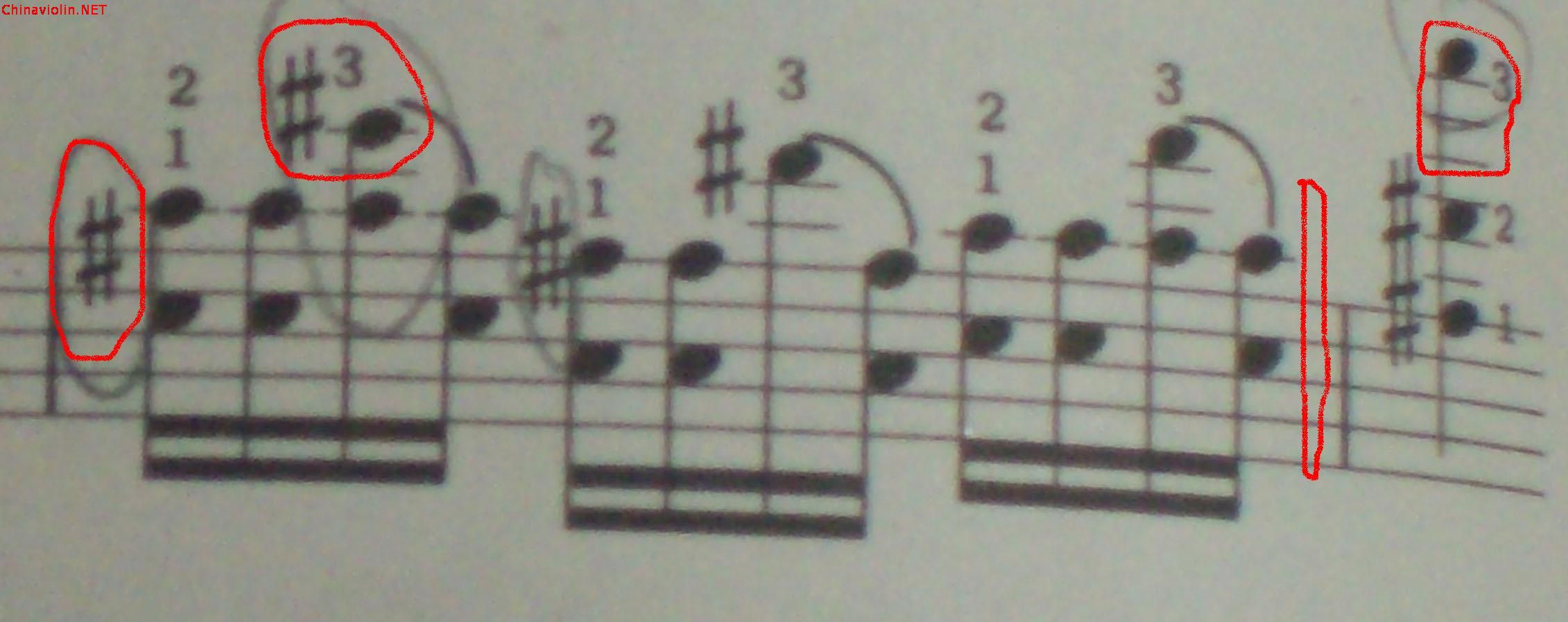
&quot;Times New="New"  Roman&quot;">方法</span><span lang="EN-US" style="font-size:12.0pt">1</span><span style="font-size:12.0pt;font-family:宋体;mso-ascii-font-family:&quot;Times New="New"  Roman&quot;;
mso-hansi-font-family:&quot;Times New="New"  Roman&quot;">与方法</span><span lang="EN-US" style="font-size:12.0pt">2</span><span style="font-size:12.0pt;font-family:
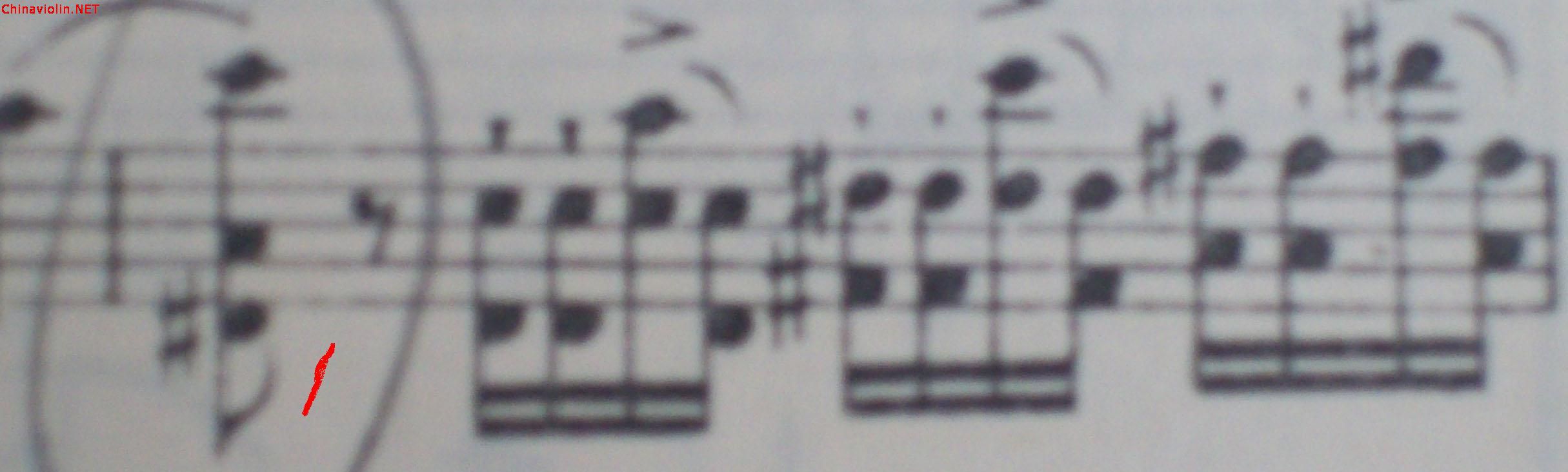
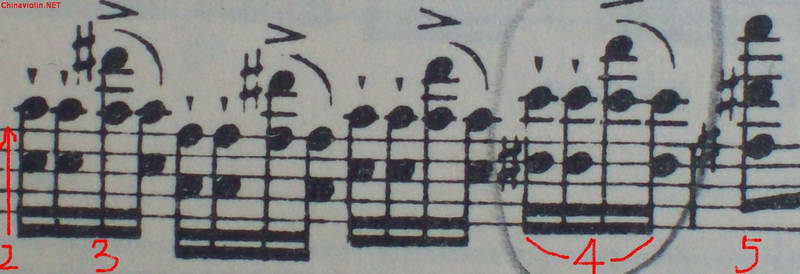
宋体;mso-ascii-font-family:&quot;Times New="New"  Roman&quot;;mso-hansi-font-family:&quot;Times New="New"  Roman&quot;">谱例的解析:逢写‘五’字的表示这个音是五度相生律的音高。逢写‘纯’字的表示这个音是纯律的音高,用箭头‘↑↓’表示这个音比五度相生律高或低。四个空弦音</span><span lang="EN-US" style="font-size:12.0pt">G</span><span style="font-size:12.0pt;
font-family:宋体;mso-ascii-font-family:&quot;Times New="New"  Roman&quot;;mso-hansi-font-family:
&quot;Times New="New"  Roman&quot;">、</span><span lang="EN-US" style="font-size:12.0pt">D</span><span style="font-size:12.0pt;font-family:宋体;mso-ascii-font-family:&quot;Times New="New"  Roman&quot;;
mso-hansi-font-family:&quot;Times New="New"  Roman&quot;">、</span><span lang="EN-US" style="font-size:12.0pt">A</span><span style="font-size:12.0pt;font-family:
宋体;mso-ascii-font-family:&quot;Times New="New"  Roman&quot;;mso-hansi-font-family:&quot;Times New="New"  Roman&quot;">、</span><span lang="EN-US" style="font-size:12.0pt">E</span><span style="font-size:12.0pt;
font-family:宋体;mso-ascii-font-family:&quot;Times New="New"  Roman&quot;;mso-hansi-font-family:
&quot;Times New="New"  Roman&quot;">是五度相生律的音高,纯律的音高无不建立在它的基础之上。</span><span lang="EN-US" style="font-size:12.0pt"><o:p></o:p></span></p>

<p class="MsoNormal" style="text-indent:24.0pt"><span style="font-size:12.0pt;
font-family:宋体;mso-ascii-font-family:&quot;Times New="New"  Roman&quot;;mso-hansi-font-family:
&quot;Times New="New"  Roman&quot;">方法</span><span lang="EN-US" style="font-size:12.0pt">1</span><span style="font-size:12.0pt;font-family:宋体;mso-ascii-font-family:&quot;Times New="New"  Roman&quot;;
mso-hansi-font-family:&quot;Times New="New"  Roman&quot;">谱例与方法</span><span lang="EN-US" style="font-size:12.0pt">2</span><span style="font-size:12.0pt;font-family:
宋体;mso-ascii-font-family:&quot;Times New="New"  Roman&quot;;mso-hansi-font-family:&quot;Times New="New"  Roman&quot;">谱例都是为了具体说明这段三度音阶的操作方法。但是由于起始音的律制的不同,它的音响效果还是有一些差异的。方法</span><span lang="EN-US" style="font-size:12.0pt">2</span><span style="font-size:12.0pt;
font-family:宋体;mso-ascii-font-family:&quot;Times New="New"  Roman&quot;;mso-hansi-font-family:
&quot;Times New="New"  Roman&quot;">谱例的第一组和声是</span><span lang="EN-US" style="font-size:12.0pt">E</span><span style="font-size:12.0pt;font-family:宋体;mso-ascii-font-family:&quot;Times New="New"  Roman&quot;;
mso-hansi-font-family:&quot;Times New="New"  Roman&quot;">、</span><span lang="EN-US" style="font-size:12.0pt">A</span><span style="font-size:12.0pt;font-family:
宋体;mso-ascii-font-family:&quot;Times New="New"  Roman&quot;;mso-hansi-font-family:&quot;Times New="New"  Roman&quot;">五度相生律纯四度定主音,进行到</span><span lang="EN-US" style="font-size:12.0pt">D</span><span style="font-size:12.0pt;
font-family:宋体;mso-ascii-font-family:&quot;Times New="New"  Roman&quot;;mso-hansi-font-family:
&quot;Times New="New"  Roman&quot;">、</span><span lang="EN-US" style="font-size:12.0pt">F</span><span style="font-size:12.0pt;font-family:宋体;mso-ascii-font-family:&quot;Times New="New"  Roman&quot;;
mso-hansi-font-family:&quot;Times New="New"  Roman&quot;">时倾向性较好。而方法</span><span lang="EN-US" style="font-size:12.0pt">1</span><span style="font-size:12.0pt;font-family:
宋体;mso-ascii-font-family:&quot;Times New="New"  Roman&quot;;mso-hansi-font-family:&quot;Times New="New"  Roman&quot;">谱例是</span><span lang="EN-US" style="font-size:12.0pt">G</span><span style="font-size:12.0pt;
font-family:宋体;mso-ascii-font-family:&quot;Times New="New"  Roman&quot;;mso-hansi-font-family:
&quot;Times New="New"  Roman&quot;">、</span><span lang="EN-US" style="font-size:12.0pt">E</span><span style="font-size:12.0pt;font-family:宋体;mso-ascii-font-family:&quot;Times New="New"  Roman&quot;;
mso-hansi-font-family:&quot;Times New="New"  Roman&quot;">纯律大六度定主音,进行到</span><span lang="EN-US" style="font-size:12.0pt">D</span><span style="font-size:12.0pt;font-family:
宋体;mso-ascii-font-family:&quot;Times New="New"  Roman&quot;;mso-hansi-font-family:&quot;Times New="New"  Roman&quot;">、</span><span lang="EN-US" style="font-size:12.0pt">F</span><span style="font-size:12.0pt;
font-family:宋体;mso-ascii-font-family:&quot;Times New="New"  Roman&quot;;mso-hansi-font-family:
&quot;Times New="New"  Roman&quot;">时倾向性较差。两种</span><span lang="EN-US" style="font-size:12.0pt">E</span><span style="font-size:12.0pt;font-family:宋体;mso-ascii-font-family:&quot;Times New="New"  Roman&quot;;
mso-hansi-font-family:&quot;Times New="New"  Roman&quot;">相差一个普通音差,一个是五度相生律的</span><span lang="EN-US" style="font-size:12.0pt">E</span><span style="font-size:12.0pt;
font-family:宋体;mso-ascii-font-family:&quot;Times New="New"  Roman&quot;;mso-hansi-font-family:
&quot;Times New="New"  Roman&quot;">,一个是纯律的</span><span lang="EN-US" style="font-size:12.0pt">E</span><span style="font-size:12.0pt;font-family:宋体;mso-ascii-font-family:&quot;Times New="New"  Roman&quot;;
mso-hansi-font-family:&quot;Times New="New"  Roman&quot;">。我个人偏向喜好方法</span><span lang="EN-US" style="font-size:12.0pt">2</span><span style="font-size:12.0pt;font-family:
宋体;mso-ascii-font-family:&quot;Times New="New"  Roman&quot;;mso-hansi-font-family:&quot;Times New="New"  Roman&quot;">谱例的定音方法,但两种操作方法都要练习,在不同的音乐作品中有不同的意义。</span><span lang="EN-US" style="font-size:12.0pt"><o:p></o:p></span></p></p></p></p></p></div>
引用 安东汉文D 2013-12-10 18:11
&nbsp;<span style="TEXT-INDENT: 24pt; FONT-FAMILY: 宋体; FONT-SIZE: 12pt">(准概原)作者所讲关于“在三度双音碎和弦的拉法,不必说更应该是以纯律演奏了,如大顿特练习曲第二十一首: 五与纯的识别4.gif <br/></span>
<p style="TEXT-INDENT: 24pt" class="MsoNormal"><span style="FONT-SIZE: 12pt" lang="EN-US"><?xml:namespace prefix = o /><o:p></o:p></span></p>
<div>
<p class="MsoNormal"><span style="FONT-FAMILY: 宋体; FONT-SIZE: 12pt; mso-ascii-font-family: 'Times new=" new="New" Roman&quot;? New? Roman&quot;;mso-hansi-font-family:&quot;Times>同样原理,六度、十度、四度双音都应照此原则去处理。”</span><span style="FONT-SIZE: 12pt" lang="EN-US"><o:p></o:p></span></p>
<p class="MsoNormal"><span style="FONT-SIZE: 12pt" lang="EN-US">&nbsp;&nbsp; </span><span style="FONT-FAMILY: 宋体; FONT-SIZE: 12pt; mso-ascii-font-family: 'Times new=" new="New" Roman&quot;? New? &quot;Times Roman&quot;;mso-hansi-font-family:>我认为不一定都是用纯律演奏。下面是我介绍的具体操作方法,注意:第一个音</span><span style="FONT-SIZE: 12pt" lang="EN-US">A</span><span style="FONT-FAMILY: 宋体; FONT-SIZE: 12pt; mso-ascii-font-family: 'Times new=" new="New" Roman&quot;? New? Roman&quot;;mso-hansi-font-family:&quot;Times>是五度相生律的音高,它应与空弦</span><span style="FONT-SIZE: 12pt" lang="EN-US">A</span><span style="FONT-FAMILY: 宋体; FONT-SIZE: 12pt; mso-ascii-font-family: 'Times new=" new="New" Roman&quot;? New? &quot;Times Roman&quot;;mso-hansi-font-family:>对准,可以看是否引起空弦</span><span style="FONT-SIZE: 12pt" lang="EN-US">A</span><span style="FONT-FAMILY: 宋体; FONT-SIZE: 12pt; mso-ascii-font-family: 'Times new=" new="New" Roman&quot;? mso-hansi-font-family:&quot;Times Roman&quot;; New?>的共鸣,所以写‘五’。第二个音上方的</span><span style="FONT-SIZE: 12pt" lang="EN-US">E</span><span style="FONT-FAMILY: 宋体; FONT-SIZE: 12pt; mso-ascii-font-family: 'Times new=" new="New" Roman&quot;? New? &quot;Times Roman&quot;;mso-hansi-font-family:>也是五度相生律的音高,所以也写‘五’。第二个音下方的升</span><span style="FONT-SIZE: 12pt" lang="EN-US">C</span><span style="FONT-FAMILY: 宋体; FONT-SIZE: 12pt; mso-ascii-font-family: 'Times new=" new="New" Roman&quot;? New? Roman&quot;;mso-hansi-font-family:&quot;Times>是纯律的音高,所以写‘纯’,第三组音</span><span style="FONT-SIZE: 12pt" lang="EN-US">E</span><span style="FONT-FAMILY: 宋体; FONT-SIZE: 12pt; mso-ascii-font-family: 'Times new=" new="New" Roman&quot;? New? &quot;Times Roman&quot;;mso-hansi-font-family:>、</span><span style="FONT-SIZE: 12pt" lang="EN-US">A</span><span style="FONT-FAMILY: 宋体; FONT-SIZE: 12pt; mso-ascii-font-family: 'Times new=" new="New" Roman&quot;? mso-hansi-font-family:&quot;Times Roman&quot;; New?>是五度相生律的纯四度音高,所以上下都写‘五’。后面以此类推。看看有多少是属于纯律的音高呢?只有升</span><span style="FONT-SIZE: 12pt" lang="EN-US">C</span><span style="FONT-FAMILY: 宋体; FONT-SIZE: 12pt; mso-ascii-font-family: 'Times new=" new="New" Roman&quot;? New? &quot;Times Roman&quot;;mso-hansi-font-family:>是纯律的音高,其它都是五度相生律的音高。所以不是全部以纯律来演奏,而是两律混用。见谱例:</span><span style="FONT-SIZE: 12pt" lang="EN-US"><o:p></o:p></span></p>
<p class="MsoNormal"><span style="FONT-FAMILY: 宋体; FONT-SIZE: 12pt; mso-ascii-font-family: 'Times new=" new="New" Roman&quot;? New? &quot;Times Roman&quot;;mso-hansi-font-family:> 五与纯的识别3.gif <br/></span>
<p style="TEXT-INDENT: 24pt" class="MsoNormal"><span style="FONT-FAMILY: 宋体; FONT-SIZE: 12pt; mso-ascii-font-family: 'Times new=" new="New" Roman&quot;? New? &quot;Times Roman&quot;;mso-hansi-font-family:>接下去我们还以这首大顿特为例,如下:第一看看是不是两律混用,第二是透过它的指法分析起始音的律制是如何运用的。</span><span style="FONT-SIZE: 12pt" lang="EN-US"><o:p></o:p></span></p>
<p class="MsoNormal"><span style="FONT-FAMILY: 宋体; FONT-SIZE: 12pt; mso-ascii-font-family: 'Times new=" new="New" Roman&quot;? New? Roman&quot;;mso-hansi-font-family:&quot;Times>下图</span><span style="FONT-SIZE: 12pt" lang="EN-US">1</span><span style="FONT-FAMILY: 宋体; FONT-SIZE: 12pt; mso-ascii-font-family: 'Times new=" new="New" Roman&quot;? New? &quot;Times Roman&quot;;mso-hansi-font-family:>是某一版本的大顿特所标注的指法。</span><span style="FONT-SIZE: 12pt" lang="EN-US"><o:p></o:p></span></p>
<p class="MsoNormal"><span style="FONT-FAMILY: 宋体; FONT-SIZE: 12pt; mso-ascii-font-family: 'Times new=" new="New" Roman&quot;? New? &quot;Times Roman&quot;;mso-hansi-font-family:> 新五纯2.gif <br/></span>
<p class="MsoNormal"><span style="FONT-FAMILY: 宋体; FONT-SIZE: 12pt; mso-ascii-font-family: 'Times new=" new="New" Roman&quot;? New? Roman&quot;;mso-hansi-font-family:&quot;Times>下图</span><span style="FONT-SIZE: 12pt" lang="EN-US">2</span><span style="FONT-FAMILY: 宋体; FONT-SIZE: 12pt; mso-ascii-font-family: 'Times new=" new="New" Roman&quot;? New? &quot;Times Roman&quot;;mso-hansi-font-family:>是我标注的大顿特指法。</span><span style="FONT-SIZE: 12pt" lang="EN-US"><o:p></o:p></span></p>
<p class="MsoNormal"><span style="FONT-FAMILY: 宋体; FONT-SIZE: 12pt; mso-ascii-font-family: 'Times new=" new="New" Roman&quot;? New? &quot;Times Roman&quot;;mso-hansi-font-family:> 新五纯1.gif <br/></span>
<p class="MsoNormal"><span style="FONT-SIZE: 12pt">&nbsp;</span><span style="FONT-FAMILY: 宋体; FONT-SIZE: 12pt; mso-ascii-font-family: 'Times new=" new="New" Roman&quot;? New? &quot;Times Roman&quot;;mso-hansi-font-family:>图</span><span style="FONT-SIZE: 12pt" lang="EN-US">1</span><span style="FONT-FAMILY: 宋体; FONT-SIZE: 12pt; mso-ascii-font-family: 'Times new=" new="New" Roman&quot;? mso-hansi-font-family:&quot;Times Roman&quot;; New?>与图</span><span style="FONT-SIZE: 12pt" lang="EN-US">2</span><span style="FONT-FAMILY: 宋体; FONT-SIZE: 12pt; mso-ascii-font-family: 'Times new=" new="New" Roman&quot;? New? Roman&quot;;mso-hansi-font-family:&quot;Times>相比较所有‘纯’与‘五’都是相反的,图</span><span style="FONT-SIZE: 12pt" lang="EN-US">2</span><span style="FONT-FAMILY: 宋体; FONT-SIZE: 12pt; mso-ascii-font-family: 'Times new=" new="New" Roman&quot;? New? &quot;Times Roman&quot;;mso-hansi-font-family:>的指法由于起始音的原因(用的是五度相生律的</span><span style="FONT-SIZE: 12pt" lang="EN-US">E</span><span style="FONT-FAMILY: 宋体; FONT-SIZE: 12pt; mso-ascii-font-family: 'Times new=" new="New" Roman&quot;? New? Roman&quot;;mso-hansi-font-family:&quot;Times>)所以可以借助空弦</span><span style="FONT-SIZE: 12pt" lang="EN-US">E</span><span style="FONT-FAMILY: 宋体; FONT-SIZE: 12pt; mso-ascii-font-family: 'Times new=" new="New" Roman&quot;? New? &quot;Times Roman&quot;;mso-hansi-font-family:>,非常易于演奏。而图</span><span style="FONT-SIZE: 12pt" lang="EN-US">1</span><span style="FONT-FAMILY: 宋体; FONT-SIZE: 12pt; mso-ascii-font-family: 'Times new=" new="New" Roman&quot;? mso-hansi-font-family:&quot;Times Roman&quot;; New?>的指法由于起始音的原因(用的是纯律的</span><span style="FONT-SIZE: 12pt" lang="EN-US">E</span><span style="FONT-FAMILY: 宋体; FONT-SIZE: 12pt; mso-ascii-font-family: 'Times new=" new="New" Roman&quot;? New? &quot;Times Roman&quot;;mso-hansi-font-family:>)所以不能使用空弦</span><span style="FONT-SIZE: 12pt" lang="EN-US">E</span><span style="FONT-FAMILY: 宋体; FONT-SIZE: 12pt; mso-ascii-font-family: 'Times new=" new="New" Roman&quot;? mso-hansi-font-family:&quot;Times Roman&quot;; New?>,因此指法别扭,不易于演奏。但都是两律混用。</span><span style="FONT-SIZE: 12pt" lang="EN-US"><o:p></o:p></span></p>
<p class="MsoNormal">
<p style="TEXT-INDENT: 24pt" class="MsoNormal"><span style="FONT-FAMILY: 宋体; FONT-SIZE: 12pt; mso-ascii-font-family: 'Times new=" new="New" Roman&quot;? New? &quot;Times Roman&quot;;mso-hansi-font-family:>(准概原)<b>第三章乐曲中的音准问题</b></span><span style="FONT-SIZE: 12pt" lang="EN-US">&nbsp; <o:p></o:p></span></p>
<p style="TEXT-INDENT: 24pt" class="MsoNormal"><span style="FONT-FAMILY: 宋体; FONT-SIZE: 12pt; mso-ascii-font-family: 'Times new=" new="New" Roman&quot;? New? &quot;Times Roman&quot;;mso-hansi-font-family:>“拉罗西班牙交响乐第一乐章,谱例中☆的两个地方容易将第一个☆处降</span><span style="FONT-SIZE: 12pt" lang="EN-US">c1</span><span style="FONT-FAMILY: 宋体; FONT-SIZE: 12pt; mso-ascii-font-family: 'Times new=" new="New" Roman&quot;? New? Roman&quot;;mso-hansi-font-family:&quot;Times>拉低,第二个☆处升</span><span style="FONT-SIZE: 12pt" lang="EN-US">c1</span><span style="FONT-FAMILY: 宋体; FONT-SIZE: 12pt; mso-ascii-font-family: 'Times new=" new="New" Roman&quot;? New? &quot;Times Roman&quot;;mso-hansi-font-family:>拉高,……这里要用等音关系的观念去处理它,即降</span><span style="FONT-SIZE: 12pt" lang="EN-US">c1</span><span style="FONT-FAMILY: 宋体; FONT-SIZE: 12pt; mso-ascii-font-family: 'Times new=" new="New" Roman&quot;? New? Roman&quot;;mso-hansi-font-family:&quot;Times>与升</span><span style="FONT-SIZE: 12pt" lang="EN-US">c1</span><span style="FONT-FAMILY: 宋体; FONT-SIZE: 12pt; mso-ascii-font-family: 'Times new=" new="New" Roman&quot;? New? &quot;Times Roman&quot;;mso-hansi-font-family:>是大二度关系,降</span><span style="FONT-SIZE: 12pt" lang="EN-US">c1</span><span style="FONT-FAMILY: 宋体; FONT-SIZE: 12pt; mso-ascii-font-family: 'Times new=" new="New" Roman&quot;? mso-hansi-font-family:&quot;Times Roman&quot;; New?>等于</span><span style="FONT-SIZE: 12pt" lang="EN-US">b</span><span style="FONT-FAMILY: 宋体; FONT-SIZE: 12pt; mso-ascii-font-family: 'Times new=" new="New" Roman&quot;? New? Roman&quot;;mso-hansi-font-family:&quot;Times>音……”</span><span style="FONT-SIZE: 12pt" lang="EN-US"><o:p></o:p></span></p>
<p style="TEXT-INDENT: 24pt" class="MsoNormal"><span style="FONT-FAMILY: 宋体; FONT-SIZE: 12pt; mso-ascii-font-family: 'Times new=" new="New" Roman&quot;? New? &quot;Times Roman&quot;;mso-hansi-font-family:>但是究竟怎么处理,音高如何确定没有讲清楚,如果降</span><span style="FONT-SIZE: 12pt" lang="EN-US">c1</span><span style="FONT-FAMILY: 宋体; FONT-SIZE: 12pt; mso-ascii-font-family: 'Times new=" new="New" Roman&quot;? New? Roman&quot;;mso-hansi-font-family:&quot;Times>等于</span><span style="FONT-SIZE: 12pt" lang="EN-US">b</span><span style="FONT-FAMILY: 宋体; FONT-SIZE: 12pt; mso-ascii-font-family: 'Times new=" new="New" Roman&quot;? New? &quot;Times Roman&quot;;mso-hansi-font-family:>,是等于五度相生律的</span><span style="FONT-SIZE: 12pt" lang="EN-US">b</span><span style="FONT-FAMILY: 宋体; FONT-SIZE: 12pt; mso-ascii-font-family: 'Times new=" new="New" Roman&quot;? mso-hansi-font-family:&quot;Times Roman&quot;; New?>呢?还是等于纯律的</span><span style="FONT-SIZE: 12pt" lang="EN-US">b</span><span style="FONT-FAMILY: 宋体; FONT-SIZE: 12pt; mso-ascii-font-family: 'Times new=" new="New" Roman&quot;? New? Roman&quot;;mso-hansi-font-family:&quot;Times>呢?答案应该是等于纯律的</span><span style="FONT-SIZE: 12pt" lang="EN-US">b</span><span style="FONT-FAMILY: 宋体; FONT-SIZE: 12pt; mso-ascii-font-family: 'Times new=" new="New" Roman&quot;? New? &quot;Times Roman&quot;;mso-hansi-font-family:>,是与空弦</span><span style="FONT-SIZE: 12pt" lang="EN-US">D</span><span style="FONT-FAMILY: 宋体; FONT-SIZE: 12pt; mso-ascii-font-family: 'Times new=" new="New" Roman&quot;? mso-hansi-font-family:&quot;Times Roman&quot;; New?>搭配成纯律小三度实现的。如下:</span></p>
<p style="TEXT-INDENT: 24pt" class="MsoNormal"><span style="FONT-FAMILY: 宋体; FONT-SIZE: 12pt; mso-ascii-font-family: 'Times new=" new="New" Roman&quot;? mso-hansi-font-family:&quot;Times Roman&quot;; New?> 五与纯(拉罗)1.gif <br/></span>
<p style="TEXT-INDENT: 24pt" class="MsoNormal"><span style="FONT-FAMILY: 宋体; FONT-SIZE: 12pt; mso-ascii-font-family: 'Times new=" new="New" Roman&quot;? New? &quot;Times Roman&quot;;mso-hansi-font-family:>第一小节要想把音拉准,先要让空弦</span><span style="FONT-SIZE: 12pt" lang="EN-US">G</span><span style="FONT-FAMILY: 宋体; FONT-SIZE: 12pt; mso-ascii-font-family: 'Times new=" new="New" Roman&quot;? New? Roman&quot;;mso-hansi-font-family:&quot;Times>和</span><span style="FONT-SIZE: 12pt" lang="EN-US">D</span><span style="FONT-FAMILY: 宋体; FONT-SIZE: 12pt; mso-ascii-font-family: 'Times new=" new="New" Roman&quot;? New? &quot;Times Roman&quot;;mso-hansi-font-family:>弦一指降</span><span style="FONT-SIZE: 12pt" lang="EN-US">E</span><span style="FONT-FAMILY: 宋体; FONT-SIZE: 12pt; mso-ascii-font-family: 'Times new=" new="New" Roman&quot;? mso-hansi-font-family:&quot;Times Roman&quot;; New?>构成纯律关系小六度,再用以下的方法找其他音。①☆第一个音降</span><span style="FONT-SIZE: 12pt" lang="EN-US">C</span><span style="FONT-FAMILY: 宋体; FONT-SIZE: 12pt; mso-ascii-font-family: 'Times new=" new="New" Roman&quot;? New? &quot;Times Roman&quot;;mso-hansi-font-family:>等于</span><span style="FONT-SIZE: 12pt" lang="EN-US">B</span><span style="FONT-FAMILY: 宋体; FONT-SIZE: 12pt; mso-ascii-font-family: 'Times new=" new="New" Roman&quot;? mso-hansi-font-family:&quot;Times Roman&quot;; New?>,用加空弦</span><span style="FONT-SIZE: 12pt" lang="EN-US">D</span><span style="FONT-FAMILY: 宋体; FONT-SIZE: 12pt; mso-ascii-font-family: 'Times new=" new="New" Roman&quot;? New? Roman&quot;;mso-hansi-font-family:&quot;Times>的方法按照纯律关系小三度双音听觉的和谐度来实现。第二个音降</span><span style="FONT-SIZE: 12pt" lang="EN-US">B</span><span style="FONT-FAMILY: 宋体; FONT-SIZE: 12pt; mso-ascii-font-family: 'Times new=" new="New" Roman&quot;? New? &quot;Times Roman&quot;;mso-hansi-font-family:>也用加空弦</span><span style="FONT-SIZE: 12pt" lang="EN-US">D</span><span style="FONT-FAMILY: 宋体; FONT-SIZE: 12pt; mso-ascii-font-family: 'Times new=" new="New" Roman&quot;? mso-hansi-font-family:&quot;Times Roman&quot;; New?>的方法构成纯律关系大三度双音,第一个音和第二个音使用了纯律小半音关系的音准。①☆是降</span><span style="FONT-SIZE: 12pt" lang="EN-US">A</span><span style="FONT-FAMILY: 宋体; FONT-SIZE: 12pt; mso-ascii-font-family: 'Times new=" new="New" Roman&quot;? New? &quot;Times Roman&quot;;mso-hansi-font-family:>小调的主三和弦(降</span><span style="FONT-SIZE: 12pt" lang="EN-US">A</span><span style="FONT-FAMILY: 宋体; FONT-SIZE: 12pt; mso-ascii-font-family: 'Times new=" new="New" Roman&quot;? mso-hansi-font-family:&quot;Times Roman&quot;; New?>、降</span><span style="FONT-SIZE: 12pt" lang="EN-US">C</span><span style="FONT-FAMILY: 宋体; FONT-SIZE: 12pt; mso-ascii-font-family: 'Times new=" new="New" Roman&quot;? New? Roman&quot;;mso-hansi-font-family:&quot;Times>、降</span><span style="FONT-SIZE: 12pt" lang="EN-US">E</span><span style="FONT-FAMILY: 宋体; FONT-SIZE: 12pt; mso-ascii-font-family: 'Times new=" new="New" Roman&quot;? New? &quot;Times Roman&quot;;mso-hansi-font-family:>)。降</span><span style="FONT-SIZE: 12pt" lang="EN-US">B</span><span style="FONT-FAMILY: 宋体; FONT-SIZE: 12pt; mso-ascii-font-family: 'Times new=" new="New" Roman&quot;? mso-hansi-font-family:&quot;Times Roman&quot;; New?>在里面的作用是个经过性导音。</span><span style="FONT-SIZE: 12pt" lang="EN-US"><o:p></o:p></span></p>
<p style="TEXT-INDENT: 24pt" class="MsoNormal"><span style="FONT-FAMILY: 宋体; FONT-SIZE: 12pt; mso-ascii-font-family: 'Times new=" new="New" Roman&quot;? mso-hansi-font-family:&quot;Times Roman&quot;; New?> 五与纯(拉罗)2.gif </span></p>
<p style="TEXT-INDENT: 24pt" class="MsoNormal">
<p style="TEXT-INDENT: 24pt" class="MsoNormal"><span style="FONT-FAMILY: 宋体; FONT-SIZE: 12pt; mso-ascii-font-family: 'Times new=" new="New" Roman&quot;? New? &quot;Times Roman&quot;;mso-hansi-font-family:>这一段要想把音拉准,先要用</span><span style="FONT-SIZE: 12pt" lang="EN-US">G</span><span style="FONT-FAMILY: 宋体; FONT-SIZE: 12pt; mso-ascii-font-family: 'Times new=" new="New" Roman&quot;? mso-hansi-font-family:&quot;Times Roman&quot;; New?>弦上一指</span><span style="FONT-SIZE: 12pt" lang="EN-US">A</span><span style="FONT-FAMILY: 宋体; FONT-SIZE: 12pt; mso-ascii-font-family: 'Times new=" new="New" Roman&quot;? New? Roman&quot;;mso-hansi-font-family:&quot;Times>与空弦</span><span style="FONT-SIZE: 12pt" lang="EN-US">A</span><span style="FONT-FAMILY: 宋体; FONT-SIZE: 12pt; mso-ascii-font-family: 'Times new=" new="New" Roman&quot;? New? &quot;Times Roman&quot;;mso-hansi-font-family:>对准,再用后面的方法找其他音。②☆空弦</span><span style="FONT-SIZE: 12pt" lang="EN-US">A</span><span style="FONT-FAMILY: 宋体; FONT-SIZE: 12pt; mso-ascii-font-family: 'Times new=" new="New" Roman&quot;? New? Roman&quot;;mso-hansi-font-family:&quot;Times>等于四指</span><span style="FONT-SIZE: 12pt" lang="EN-US">A</span><span style="FONT-FAMILY: 宋体; FONT-SIZE: 12pt; mso-ascii-font-family: 'Times new=" new="New" Roman&quot;? New? &quot;Times Roman&quot;;mso-hansi-font-family:>,升</span><span style="FONT-SIZE: 12pt" lang="EN-US">C</span><span style="FONT-FAMILY: 宋体; FONT-SIZE: 12pt; mso-ascii-font-family: 'Times new=" new="New" Roman&quot;? mso-hansi-font-family:&quot;Times Roman&quot;; New?>与四指</span><span style="FONT-SIZE: 12pt" lang="EN-US">A</span><span style="FONT-FAMILY: 宋体; FONT-SIZE: 12pt; mso-ascii-font-family: 'Times new=" new="New" Roman&quot;? New? Roman&quot;;mso-hansi-font-family:&quot;Times>构成和谐的纯律关系小六度双音。还原</span><span style="FONT-SIZE: 12pt" lang="EN-US">B</span><span style="FONT-FAMILY: 宋体; FONT-SIZE: 12pt; mso-ascii-font-family: 'Times new=" new="New" Roman&quot;? New? &quot;Times Roman&quot;;mso-hansi-font-family:>与空弦</span><span style="FONT-SIZE: 12pt" lang="EN-US">D</span><span style="FONT-FAMILY: 宋体; FONT-SIZE: 12pt; mso-ascii-font-family: 'Times new=" new="New" Roman&quot;? mso-hansi-font-family:&quot;Times Roman&quot;; New?>构成和谐的纯律关系小三度双音。升</span><span style="FONT-SIZE: 12pt" lang="EN-US">C</span><span style="FONT-FAMILY: 宋体; FONT-SIZE: 12pt; mso-ascii-font-family: 'Times new=" new="New" Roman&quot;? New? &quot;Times Roman&quot;;mso-hansi-font-family:>与还原</span><span style="FONT-SIZE: 12pt" lang="EN-US">B</span><span style="FONT-FAMILY: 宋体; FONT-SIZE: 12pt; mso-ascii-font-family: 'Times new=" new="New" Roman&quot;? mso-hansi-font-family:&quot;Times Roman&quot;; New?>使用的都是纯律的音高标准。②☆是</span><span style="FONT-SIZE: 12pt" lang="EN-US">A</span><span style="FONT-FAMILY: 宋体; FONT-SIZE: 12pt; mso-ascii-font-family: 'Times new=" new="New" Roman&quot;? New? &quot;Times Roman&quot;;mso-hansi-font-family:>大调的主三和弦(</span><span style="FONT-SIZE: 12pt" lang="EN-US">A</span><span style="FONT-FAMILY: 宋体; FONT-SIZE: 12pt; mso-ascii-font-family: 'Times new=" new="New" Roman&quot;? mso-hansi-font-family:&quot;Times Roman&quot;; New?>、升</span><span style="FONT-SIZE: 12pt" lang="EN-US">C</span><span style="FONT-FAMILY: 宋体; FONT-SIZE: 12pt; mso-ascii-font-family: 'Times new=" new="New" Roman&quot;? New? Roman&quot;;mso-hansi-font-family:&quot;Times>、</span><span style="FONT-SIZE: 12pt" lang="EN-US">E</span><span style="FONT-FAMILY: 宋体; FONT-SIZE: 12pt; mso-ascii-font-family: 'Times new=" new="New" Roman&quot;? New? &quot;Times Roman&quot;;mso-hansi-font-family:>)。</span><span style="FONT-SIZE: 12pt" lang="EN-US">B</span><span style="FONT-FAMILY: 宋体; FONT-SIZE: 12pt; mso-ascii-font-family: 'Times new=" new="New" Roman&quot;? mso-hansi-font-family:&quot;Times Roman&quot;; New?>在里面的作用是个经过音,</span><span style="FONT-SIZE: 12pt" lang="EN-US"> G</span><span style="FONT-FAMILY: 宋体; FONT-SIZE: 12pt; mso-ascii-font-family: 'Times new=" new="New" Roman&quot;? New? Roman&quot;;mso-hansi-font-family:&quot;Times>弦一指</span><span style="FONT-SIZE: 12pt" lang="EN-US">A</span><span style="FONT-FAMILY: 宋体; FONT-SIZE: 12pt; mso-ascii-font-family: 'Times new=" new="New" Roman&quot;? New? &quot;Times Roman&quot;;mso-hansi-font-family:>与</span><span style="FONT-SIZE: 12pt" lang="EN-US">D</span><span style="FONT-FAMILY: 宋体; FONT-SIZE: 12pt; mso-ascii-font-family: 'Times new=" new="New" Roman&quot;? mso-hansi-font-family:&quot;Times Roman&quot;; New?>弦一指</span><span style="FONT-SIZE: 12pt" lang="EN-US">E</span><span style="FONT-FAMILY: 宋体; FONT-SIZE: 12pt; mso-ascii-font-family: 'Times new=" new="New" Roman&quot;? New? Roman&quot;;mso-hansi-font-family:&quot;Times>都是五度相生律的音高。</span><span style="FONT-SIZE: 12pt" lang="EN-US"><o:p></o:p></span></p>
<p style="TEXT-INDENT: 24pt" class="MsoNormal"><b><span style="FONT-FAMILY: 宋体; FONT-SIZE: 12pt; mso-ascii-font-family: 'Times new=" new="New" Roman&quot;? New? Roman&quot;;mso-hansi-font-family:&quot;Times>以下是(准概原)列举的两条谱例</span></b><b><span style="FONT-SIZE: 12pt" lang="EN-US"><o:p></o:p></span></b></p>
<p class="MsoNormal"><span style="FONT-FAMILY: 宋体; FONT-SIZE: 12pt; mso-ascii-font-family: 'Times new=" new="New" Roman&quot;? New? Roman&quot;;mso-hansi-font-family:&quot;Times>谱例</span><span style="FONT-SIZE: 12pt" lang="EN-US">A</span><b><span style="FONT-FAMILY: 宋体; FONT-SIZE: 12pt; mso-ascii-font-family: 'Times new=" new="New" Roman&quot;? New? Roman&quot;;mso-hansi-font-family:&quot;Times>: 五与纯的识别17.gif <br/></span></b><b><span style="FONT-SIZE: 12pt" lang="EN-US"><o:p></o:p></span></b></p>
<p class="MsoNormal">
<p style="TEXT-INDENT: 24pt" class="MsoNormal"><span style="FONT-FAMILY: 宋体; FONT-SIZE: 12pt; mso-ascii-font-family: 'Times new=" new="New" Roman&quot;? New? Roman&quot;;mso-hansi-font-family:&quot;Times></span><span style="FONT-SIZE: 12pt" lang="EN-US"><o:p><font face="宋体"></font></o:p></span>&nbsp;</p>
<p style="TEXT-INDENT: 24pt" class="MsoNormal">
<p class="MsoNormal"><b><span style="FONT-FAMILY: 宋体; FONT-SIZE: 12pt; mso-ascii-font-family: 'Times new=" new="New" Roman&quot;? mso-hansi-font-family:&quot;Times Roman&quot;; New?>谱例</span></b><b><span style="FONT-SIZE: 12pt" lang="EN-US">B</span></b><b><span style="FONT-FAMILY: 宋体; FONT-SIZE: 12pt; mso-ascii-font-family: 'Times new=" new="New" Roman&quot;? New? Roman&quot;;mso-hansi-font-family:&quot;Times>: 五与纯的识别18.gif <br/></span></b><b><span style="FONT-SIZE: 12pt" lang="EN-US"><o:p></o:p></span></b></p>
<p></p>
<p></p>
<p></p>
<p></p>
<p></p>
<p></p>
<p></p>
<p></p></div>

引用 安东汉文D 2013-12-10 18:21
&nbsp;<span style="TEXT-INDENT: 24pt; FONT-FAMILY: 宋体; FONT-SIZE: 12pt">(准概原)的论述“现在只有演奏者自己用等音变换的手法,将升</span><span style="TEXT-INDENT: 24pt; FONT-FAMILY: Verdana, Arial, Helvetica, sans-serif; FONT-SIZE: 12pt" lang="EN-US">b</span><span style="TEXT-INDENT: 24pt; FONT-FAMILY: 宋体; FONT-SIZE: 12pt">改为</span><span style="TEXT-INDENT: 24pt; FONT-FAMILY: Verdana, Arial, Helvetica, sans-serif; FONT-SIZE: 12pt" lang="EN-US">C</span><span style="TEXT-INDENT: 24pt; FONT-FAMILY: 宋体; FONT-SIZE: 12pt">音,这个矛盾也就解决了……同样原理将升</span><span style="TEXT-INDENT: 24pt; FONT-FAMILY: Verdana, Arial, Helvetica, sans-serif; FONT-SIZE: 12pt" lang="EN-US">e</span><span style="TEXT-INDENT: 24pt; FONT-FAMILY: 宋体; FONT-SIZE: 12pt">改为</span><span style="TEXT-INDENT: 24pt; FONT-FAMILY: Verdana, Arial, Helvetica, sans-serif; FONT-SIZE: 12pt" lang="EN-US">F</span><span style="TEXT-INDENT: 24pt; FONT-FAMILY: 宋体; FONT-SIZE: 12pt">音做等音变换,演奏起来就同样容易了”。</span>
<p style="TEXT-INDENT: 24pt" class="MsoNormal"><span style="FONT-FAMILY: 宋体; FONT-SIZE: 12pt; mso-ascii-font-family: 'Times new=" Roman&quot;? New? &quot;Times Roman&quot;;mso-hansi-font-family: new="New">我看还是没说清楚。将升</span><span style="FONT-SIZE: 12pt" lang="EN-US">b</span><span style="FONT-FAMILY: 宋体; FONT-SIZE: 12pt; mso-ascii-font-family: 'Times new=" Roman&quot;? mso-hansi-font-family:&quot;Times Roman&quot;; New? new="New">改</span><span style="FONT-SIZE: 12pt" lang="EN-US">C</span><span style="FONT-FAMILY: 宋体; FONT-SIZE: 12pt; mso-ascii-font-family: 'Times new=" Roman&quot;? New? Roman&quot;;mso-hansi-font-family:&quot;Times new="New">是五度相生律的</span><span style="FONT-SIZE: 12pt" lang="EN-US">C</span><span style="FONT-FAMILY: 宋体; FONT-SIZE: 12pt; mso-ascii-font-family: 'Times new=" Roman&quot;? New? &quot;Times Roman&quot;;mso-hansi-font-family: new="New">呢?还是纯律的</span><span style="FONT-SIZE: 12pt" lang="EN-US">C</span><span style="FONT-FAMILY: 宋体; FONT-SIZE: 12pt; mso-ascii-font-family: 'Times new=" Roman&quot;? mso-hansi-font-family:&quot;Times Roman&quot;; New? new="New">呢?将升</span><span style="FONT-SIZE: 12pt" lang="EN-US">e</span><span style="FONT-FAMILY: 宋体; FONT-SIZE: 12pt; mso-ascii-font-family: 'Times new=" Roman&quot;? New? Roman&quot;;mso-hansi-font-family:&quot;Times new="New">改</span><span style="FONT-SIZE: 12pt" lang="EN-US">F</span><span style="FONT-FAMILY: 宋体; FONT-SIZE: 12pt; mso-ascii-font-family: 'Times new=" Roman&quot;? New? &quot;Times Roman&quot;;mso-hansi-font-family: new="New">,是五度相生律的</span><span style="FONT-SIZE: 12pt" lang="EN-US">F</span><span style="FONT-FAMILY: 宋体; FONT-SIZE: 12pt; mso-ascii-font-family: 'Times new=" Roman&quot;? mso-hansi-font-family:&quot;Times Roman&quot;; New? new="New">呢?还是纯律的</span><span style="FONT-SIZE: 12pt" lang="EN-US">F</span><span style="FONT-FAMILY: 宋体; FONT-SIZE: 12pt; mso-ascii-font-family: 'Times new=" Roman&quot;? New? Roman&quot;;mso-hansi-font-family:&quot;Times new="New">呢?作者没讲。</span><span style="FONT-SIZE: 12pt" lang="EN-US"><?xml:namespace prefix = o /><o:p></o:p></span></p>
<p class="MsoNormal"><span style="FONT-FAMILY: 宋体; FONT-SIZE: 12pt; mso-ascii-font-family: 'Times new=" Roman&quot;? New? Roman&quot;;mso-hansi-font-family:&quot;Times new="New">请看谱例</span><span style="FONT-SIZE: 12pt" lang="EN-US">A</span><span style="FONT-FAMILY: 宋体; FONT-SIZE: 12pt; mso-ascii-font-family: 'Times new=" Roman&quot;? New? &quot;Times Roman&quot;;mso-hansi-font-family: new="New">: 五与纯的识别19.gif <br/></span><span style="FONT-SIZE: 12pt" lang="EN-US"><o:p></o:p></span></p>
<p class="MsoNormal">
<p style="TEXT-INDENT: 24pt" class="MsoNormal">
<p style="TEXT-INDENT: 24pt" class="MsoNormal"><span style="FONT-FAMILY: 宋体; FONT-SIZE: 12pt; mso-ascii-font-family: 'Times new=" Roman&quot;? New? &quot;Times Roman&quot;;mso-hansi-font-family: new="New">通过添加</span><span style="FONT-SIZE: 12pt" lang="EN-US">A</span><span style="FONT-FAMILY: 宋体; FONT-SIZE: 12pt; mso-ascii-font-family: 'Times new=" Roman&quot;? mso-hansi-font-family:&quot;Times Roman&quot;; New? new="New">大家可以发现,这一段是以</span><span style="FONT-SIZE: 12pt" lang="EN-US">A</span><span style="FONT-FAMILY: 宋体; FONT-SIZE: 12pt; mso-ascii-font-family: 'Times new=" Roman&quot;? New? Roman&quot;;mso-hansi-font-family:&quot;Times new="New">为准推算其他音高,他们的关系是纯律关系。作为升</span><span style="FONT-SIZE: 12pt" lang="EN-US">B</span><span style="FONT-FAMILY: 宋体; FONT-SIZE: 12pt; mso-ascii-font-family: 'Times new=" Roman&quot;? New? &quot;Times Roman&quot;;mso-hansi-font-family: new="New">应该变为纯律的</span><span style="FONT-SIZE: 12pt" lang="EN-US">C</span><span style="FONT-FAMILY: 宋体; FONT-SIZE: 12pt; mso-ascii-font-family: 'Times new=" Roman&quot;? mso-hansi-font-family:&quot;Times Roman&quot;; New? new="New">,升</span><span style="FONT-SIZE: 12pt" lang="EN-US">F</span><span style="FONT-FAMILY: 宋体; FONT-SIZE: 12pt; mso-ascii-font-family: 'Times new=" Roman&quot;? New? Roman&quot;;mso-hansi-font-family:&quot;Times new="New">变为纯律的升</span><span style="FONT-SIZE: 12pt" lang="EN-US">F</span><span style="FONT-FAMILY: 宋体; FONT-SIZE: 12pt; mso-ascii-font-family: 'Times new=" Roman&quot;? New? &quot;Times Roman&quot;;mso-hansi-font-family: new="New">,</span><span style="FONT-SIZE: 12pt" lang="EN-US">A</span><span style="FONT-FAMILY: 宋体; FONT-SIZE: 12pt; mso-ascii-font-family: 'Times new=" Roman&quot;? mso-hansi-font-family:&quot;Times Roman&quot;; New? new="New">是五度相生律的</span><span style="FONT-SIZE: 12pt" lang="EN-US">A</span><span style="FONT-FAMILY: 宋体; FONT-SIZE: 12pt; mso-ascii-font-family: 'Times new=" Roman&quot;? New? Roman&quot;;mso-hansi-font-family:&quot;Times new="New">。第一组音按照纯律关系大六度听,第二组音是纯律关系小三度,第六组音按照纯律关系大六度听,倒数第四组音按照纯律关系小十度听,他们的关系就都对了。</span><span style="FONT-SIZE: 12pt" lang="EN-US"><o:p></o:p></span></p>
<p class="MsoNormal"><span style="FONT-FAMILY: 宋体; FONT-SIZE: 12pt; mso-ascii-font-family: 'Times new=" Roman&quot;? New? Roman&quot;;mso-hansi-font-family:&quot;Times new="New">请看谱例</span><span style="FONT-SIZE: 12pt" lang="EN-US">B</span><span style="FONT-FAMILY: 宋体; FONT-SIZE: 12pt; mso-ascii-font-family: 'Times new=" Roman&quot;? New? &quot;Times Roman&quot;;mso-hansi-font-family: new="New">: 五与纯的识别20.gif <br/></span><span style="FONT-SIZE: 12pt" lang="EN-US"><o:p></o:p></span></p>
<p class="MsoNormal">
<p style="TEXT-INDENT: 24pt" class="MsoNormal"><span style="FONT-FAMILY: 宋体; FONT-SIZE: 12pt; mso-ascii-font-family: 'Times new=" Roman&quot;? New? &quot;Times Roman&quot;;mso-hansi-font-family: new="New">通过添加</span><span style="FONT-SIZE: 12pt" lang="EN-US">D</span><span style="FONT-FAMILY: 宋体; FONT-SIZE: 12pt; mso-ascii-font-family: 'Times new=" Roman&quot;? mso-hansi-font-family:&quot;Times Roman&quot;; New? new="New">和</span><span style="FONT-SIZE: 12pt" lang="EN-US">A</span><span style="FONT-FAMILY: 宋体; FONT-SIZE: 12pt; mso-ascii-font-family: 'Times new=" Roman&quot;? New? Roman&quot;;mso-hansi-font-family:&quot;Times new="New">大家可以发现,以空弦</span><span style="FONT-SIZE: 12pt" lang="EN-US">D</span><span style="FONT-FAMILY: 宋体; FONT-SIZE: 12pt; mso-ascii-font-family: 'Times new=" Roman&quot;? New? &quot;Times Roman&quot;;mso-hansi-font-family: new="New">推算</span><span style="FONT-SIZE: 12pt" lang="EN-US">B</span><span style="FONT-FAMILY: 宋体; FONT-SIZE: 12pt; mso-ascii-font-family: 'Times new=" Roman&quot;? mso-hansi-font-family:&quot;Times Roman&quot;; New? new="New">的音高,以空弦</span><span style="FONT-SIZE: 12pt" lang="EN-US">A</span><span style="FONT-FAMILY: 宋体; FONT-SIZE: 12pt; mso-ascii-font-family: 'Times new=" Roman&quot;? New? Roman&quot;;mso-hansi-font-family:&quot;Times new="New">推算升</span><span style="FONT-SIZE: 12pt" lang="EN-US">E</span><span style="FONT-FAMILY: 宋体; FONT-SIZE: 12pt; mso-ascii-font-family: 'Times new=" Roman&quot;? New? &quot;Times Roman&quot;;mso-hansi-font-family: new="New">的音高,升</span><span style="FONT-SIZE: 12pt" lang="EN-US">E</span><span style="FONT-FAMILY: 宋体; FONT-SIZE: 12pt; mso-ascii-font-family: 'Times new=" Roman&quot;? mso-hansi-font-family:&quot;Times Roman&quot;; New? new="New">应该变为纯律的</span><span style="FONT-SIZE: 12pt" lang="EN-US">F</span><span style="FONT-FAMILY: 宋体; FONT-SIZE: 12pt; mso-ascii-font-family: 'Times new=" Roman&quot;? New? Roman&quot;;mso-hansi-font-family:&quot;Times new="New">,也就是第三组音按纯律关系大三度听,倒数最后一组按纯律关系小六度听,他们的关系就都对了。</span><span style="FONT-SIZE: 12pt" lang="EN-US">D</span><span style="FONT-FAMILY: 宋体; FONT-SIZE: 12pt; mso-ascii-font-family: 'Times new=" Roman&quot;? New? &quot;Times Roman&quot;;mso-hansi-font-family: new="New">和</span><span style="FONT-SIZE: 12pt" lang="EN-US">A</span><span style="FONT-FAMILY: 宋体; FONT-SIZE: 12pt; mso-ascii-font-family: 'Times new=" Roman&quot;? mso-hansi-font-family:&quot;Times Roman&quot;; New? new="New">是五度相生律的音高。</span><span style="FONT-SIZE: 12pt" lang="EN-US"><o:p></o:p></span></p>
<p style="TEXT-INDENT: 18.05pt; mso-char-indent-count: 1.5" class="MsoNormal"><b><span style="FONT-FAMILY: 宋体; FONT-SIZE: 12pt; mso-ascii-font-family: 'Times new=" Roman&quot;? New? Roman&quot;;mso-hansi-font-family:&quot;Times new="New">(准概原)的论述</span></b><span style="FONT-FAMILY: 宋体; FONT-SIZE: 12pt; mso-ascii-font-family: 'Times new=" Roman&quot;? mso-hansi-font-family:&quot;Times Roman&quot;; New? new="New">“下面是维尼亚夫斯基</span><span style="FONT-SIZE: 12pt" lang="EN-US">D</span><span style="FONT-FAMILY: 宋体; FONT-SIZE: 12pt; mso-ascii-font-family: 'Times new=" Roman&quot;? New? Roman&quot;;mso-hansi-font-family:&quot;Times new="New">小调协奏曲中等音变换的手法,作者是一个作曲家,也是一个小提琴家,在演奏上、技巧上考虑得是很周到的:”</span><span style="FONT-SIZE: 12pt" lang="EN-US"><o:p></o:p></span></p>
<p style="TEXT-INDENT: 18.05pt; mso-char-indent-count: 1.5" class="MsoNormal"><span style="FONT-FAMILY: 宋体; FONT-SIZE: 12pt; mso-ascii-font-family: 'Times new=" Roman&quot;? New? Roman&quot;;mso-hansi-font-family:&quot;Times new="New"> 五与纯的识别21.gif <br/></span>
<p class="MsoNormal"><span style="FONT-FAMILY: 宋体; FONT-SIZE: 12pt; mso-ascii-font-family: 'Times new=" Roman&quot;? New? Roman&quot;;mso-hansi-font-family:&quot;Times new="New">“演奏这一段绝不能将升</span><span style="FONT-SIZE: 12pt" lang="EN-US">G</span><span style="FONT-FAMILY: 宋体; FONT-SIZE: 12pt; mso-ascii-font-family: 'Times new=" Roman&quot;? New? &quot;Times Roman&quot;;mso-hansi-font-family: new="New">拉得比降</span><span style="FONT-SIZE: 12pt" lang="EN-US">A</span><span style="FONT-FAMILY: 宋体; FONT-SIZE: 12pt; mso-ascii-font-family: 'Times new=" Roman&quot;? mso-hansi-font-family:&quot;Times Roman&quot;; New? new="New">高(原谱),即不可用五度相生律的关系去拉,必须是降</span><span style="FONT-SIZE: 12pt" lang="EN-US">A</span><span style="FONT-FAMILY: 宋体; FONT-SIZE: 12pt; mso-ascii-font-family: 'Times new=" Roman&quot;? New? &quot;Times Roman&quot;;mso-hansi-font-family: new="New">等于升</span><span style="FONT-SIZE: 12pt" lang="EN-US">G</span><span style="FONT-FAMILY: 宋体; FONT-SIZE: 12pt; mso-ascii-font-family: 'Times new=" Roman&quot;? mso-hansi-font-family:&quot;Times Roman&quot;; New? new="New">音。”</span><span style="FONT-SIZE: 12pt" lang="EN-US"><o:p></o:p></span></p>
<p style="TEXT-INDENT: 30pt; mso-char-indent-count: 2.5" class="MsoNormal"><span style="FONT-FAMILY: 宋体; FONT-SIZE: 12pt; mso-ascii-font-family: 'Times new=" Roman&quot;? mso-hansi-font-family:&quot;Times Roman&quot;; New? new="New">但具体的操作方法作者还是没有说清楚。首先降</span><span style="FONT-SIZE: 12pt" lang="EN-US">A</span><span style="FONT-FAMILY: 宋体; FONT-SIZE: 12pt; mso-ascii-font-family: 'Times new=" Roman&quot;? New? &quot;Times Roman&quot;;mso-hansi-font-family: new="New">和升</span><span style="FONT-SIZE: 12pt" lang="EN-US">G</span><span style="FONT-FAMILY: 宋体; FONT-SIZE: 12pt; mso-ascii-font-family: 'Times new=" Roman&quot;? mso-hansi-font-family:&quot;Times Roman&quot;; New? new="New">都不是这里的重点。一开始的一段是降</span><span style="FONT-SIZE: 12pt" lang="EN-US">A</span><span style="FONT-FAMILY: 宋体; FONT-SIZE: 12pt; mso-ascii-font-family: 'Times new=" Roman&quot;? New? &quot;Times Roman&quot;;mso-hansi-font-family: new="New">调的</span><span style="FONT-SIZE: 12pt" lang="EN-US">sol</span><span style="FONT-FAMILY: 宋体; FONT-SIZE: 12pt; mso-ascii-font-family: 'Times new=" Roman&quot;? mso-hansi-font-family:&quot;Times Roman&quot;; New? new="New">调式,第一个重点是第一个音降</span><span style="FONT-SIZE: 12pt" lang="EN-US">E</span><span style="FONT-FAMILY: 宋体; FONT-SIZE: 12pt; mso-ascii-font-family: 'Times new=" Roman&quot;? New? Roman&quot;;mso-hansi-font-family:&quot;Times new="New">的音高,要用纯律的标准,要和</span><span style="FONT-SIZE: 12pt" lang="EN-US">G</span><span style="FONT-FAMILY: 宋体; FONT-SIZE: 12pt; mso-ascii-font-family: 'Times new=" Roman&quot;? New? &quot;Times Roman&quot;;mso-hansi-font-family: new="New">构成和谐的纯律关系小六度;第二个重点就是第三个音</span><span style="FONT-SIZE: 12pt" lang="EN-US">C</span><span style="FONT-FAMILY: 宋体; FONT-SIZE: 12pt; mso-ascii-font-family: 'Times new=" Roman&quot;? New? Roman&quot;;mso-hansi-font-family:&quot;Times new="New">,要和空弦</span><span style="FONT-SIZE: 12pt" lang="EN-US">A</span><span style="FONT-FAMILY: 宋体; FONT-SIZE: 12pt; mso-ascii-font-family: 'Times new=" Roman&quot;? New? &quot;Times Roman&quot;;mso-hansi-font-family: new="New">构成纯律关系小十度;第三个重点是第二小节第二个音降</span><span style="FONT-SIZE: 12pt" lang="EN-US">B</span><span style="FONT-FAMILY: 宋体; FONT-SIZE: 12pt; mso-ascii-font-family: 'Times new=" Roman&quot;? New? Roman&quot;;mso-hansi-font-family:&quot;Times new="New">,要和空弦</span><span style="FONT-SIZE: 12pt" lang="EN-US">D</span><span style="FONT-FAMILY: 宋体; FONT-SIZE: 12pt; mso-ascii-font-family: 'Times new=" Roman&quot;? New? &quot;Times Roman&quot;;mso-hansi-font-family: new="New">的八度音构成和谐的纯律关系小六度;第四个重点是第二小节第五个音</span><span style="FONT-SIZE: 12pt" lang="EN-US">G</span><span style="FONT-FAMILY: 宋体; FONT-SIZE: 12pt; mso-ascii-font-family: 'Times new=" Roman&quot;? New? Roman&quot;;mso-hansi-font-family:&quot;Times new="New">,要和空弦</span><span style="FONT-SIZE: 12pt" lang="EN-US">G</span><span style="FONT-FAMILY: 宋体; FONT-SIZE: 12pt; mso-ascii-font-family: 'Times new=" Roman&quot;? New? &quot;Times Roman&quot;;mso-hansi-font-family: new="New">对准;第五个重点是第二小节最后一个音降</span><span style="FONT-SIZE: 12pt" lang="EN-US">C</span><span style="FONT-FAMILY: 宋体; FONT-SIZE: 12pt; mso-ascii-font-family: 'Times new=" Roman&quot;? New? Roman&quot;;mso-hansi-font-family:&quot;Times new="New">,要和下面的</span><span style="FONT-SIZE: 12pt" lang="EN-US">B</span><span style="FONT-FAMILY: 宋体; FONT-SIZE: 12pt; mso-ascii-font-family: 'Times new=" Roman&quot;? New? &quot;Times Roman&quot;;mso-hansi-font-family: new="New">与</span><span style="FONT-SIZE: 12pt" lang="EN-US">E</span><span style="FONT-FAMILY: 宋体; FONT-SIZE: 12pt; mso-ascii-font-family: 'Times new=" Roman&quot;? mso-hansi-font-family:&quot;Times Roman&quot;; New? new="New">构成纯四度后的</span><span style="FONT-SIZE: 12pt" lang="EN-US">B</span><span style="FONT-FAMILY: 宋体; FONT-SIZE: 12pt; mso-ascii-font-family: 'Times new=" Roman&quot;? New? Roman&quot;;mso-hansi-font-family:&quot;Times new="New">对准,这个</span><span style="FONT-SIZE: 12pt" lang="EN-US">B</span><span style="FONT-FAMILY: 宋体; FONT-SIZE: 12pt; mso-ascii-font-family: 'Times new=" Roman&quot;? New? &quot;Times Roman&quot;;mso-hansi-font-family: new="New">是五度相生律的音高,并与第三小节第一个音五度相生律的</span><span style="FONT-SIZE: 12pt" lang="EN-US">B</span><span style="FONT-FAMILY: 宋体; FONT-SIZE: 12pt; mso-ascii-font-family: 'Times new=" Roman&quot;? New? Roman&quot;;mso-hansi-font-family:&quot;Times new="New">等高,之后转入</span><span style="FONT-SIZE: 12pt" lang="EN-US">E</span><span style="FONT-FAMILY: 宋体; FONT-SIZE: 12pt; mso-ascii-font-family: 'Times new=" Roman&quot;? New? &quot;Times Roman&quot;;mso-hansi-font-family: new="New">调的</span><span style="FONT-SIZE: 12pt" lang="EN-US">sol</span><span style="FONT-FAMILY: 宋体; FONT-SIZE: 12pt; mso-ascii-font-family: 'Times new=" Roman&quot;? mso-hansi-font-family:&quot;Times Roman&quot;; New? new="New">调式。</span><span style="FONT-SIZE: 12pt" lang="EN-US">E</span><span style="FONT-FAMILY: 宋体; FONT-SIZE: 12pt; mso-ascii-font-family: 'Times new=" Roman&quot;? New? Roman&quot;;mso-hansi-font-family:&quot;Times new="New">调以五度相生律的空弦</span><span style="FONT-SIZE: 12pt" lang="EN-US">E</span><span style="FONT-FAMILY: 宋体; FONT-SIZE: 12pt; mso-ascii-font-family: 'Times new=" Roman&quot;? New? &quot;Times Roman&quot;;mso-hansi-font-family: new="New">为标准,其余的音相互之间保持分解和弦的纯律关系。</span><span style="FONT-SIZE: 12pt" lang="EN-US"><o:p></o:p></span></p>
<p></p>
<p style="TEXT-INDENT: 18.05pt; mso-char-indent-count: 1.5" class="MsoNormal"><span style="FONT-FAMILY: 宋体; FONT-SIZE: 12pt; mso-ascii-font-family: 'Times new=" Roman&quot;? New? Roman&quot;;mso-hansi-font-family:&quot;Times new="New"> 五与纯的识别22.gif <br/></span>
<p style="TEXT-INDENT: 24pt" class="MsoNormal"><b><span style="FONT-FAMILY: 宋体; FONT-SIZE: 12pt; mso-ascii-font-family: 'Times new=" Roman&quot;? New? Roman&quot;;mso-hansi-font-family:&quot;Times new="New">(准概原)的论述“第四节其它音不准的现象</span></b><b><span style="FONT-SIZE: 12pt" lang="EN-US"> <o:p></o:p></span></b></p>
<p style="TEXT-INDENT: -24pt; MARGIN-LEFT: 48pt; mso-list: l0="l0"  level1=" class="MsoNormal" 48.0pt? tab-stops:list lfo1; level1?><span style="FONT-FAMILY: 宋体; FONT-SIZE: 12pt; mso-ascii-font-family: 'Times new=" Roman&quot;? mso-hansi-font-family:&quot;Times Roman&quot;; New? new="New">在不同音组成不同和弦中的共同音的反复出现容易音不准,如像 五与纯的识别12.gif <br/></span><span style="FONT-SIZE: 12pt" lang="EN-US"><o:p></o:p></span></p>
<p style="TEXT-INDENT: -24pt; MARGIN-LEFT: 48pt; mso-list: l0="l0"  level1=" class="MsoNormal" 48.0pt? tab-stops:list lfo1; level1?>
<p class="MsoNormal"><span style="FONT-FAMILY: 宋体; FONT-SIZE: 12pt; mso-ascii-font-family: 'Times new=" Roman&quot;? New? Roman&quot;;mso-hansi-font-family:&quot;Times new="New">其中要是</span><span style="FONT-SIZE: 12pt" lang="EN-US">C2</span><span style="FONT-FAMILY: 宋体; FONT-SIZE: 12pt; mso-ascii-font-family: 'Times new=" Roman&quot;? New? &quot;Times Roman&quot;;mso-hansi-font-family: new="New">音稍有一点变动,很容易被人察觉音不准了,这种音不准的原因主要是演奏者不是以</span><span style="FONT-SIZE: 12pt" lang="EN-US">C2</span><span style="FONT-FAMILY: 宋体; FONT-SIZE: 12pt; mso-ascii-font-family: 'Times new=" Roman&quot;? New? &quot;Times Roman&quot;;mso-hansi-font-family: new="New">音的高度为中心,而是以每个小节的第一音为中心去处理其他音的高度造成的,我们已经知道大二度、小二度、小三度、大三度等各种律有不同的距离,故各人的习惯用法也不可能一致,所以造成</span><span style="FONT-SIZE: 12pt" lang="EN-US">C2</span><span style="FONT-FAMILY: 宋体; FONT-SIZE: 12pt; mso-ascii-font-family: 'Times new=" Roman&quot;? New? &quot;Times Roman&quot;;mso-hansi-font-family: new="New">音不统一,要是和弦(这里是分解和弦)知道应该用纯律去拉,那么问题容易解决,只要以</span><span style="FONT-SIZE: 12pt" lang="EN-US">C2</span><span style="FONT-FAMILY: 宋体; FONT-SIZE: 12pt; mso-ascii-font-family: 'Times new=" Roman&quot;? New? &quot;Times Roman&quot;;mso-hansi-font-family: new="New">音为中心,以纯律去对待其他的音,音准就解决了。”</span><span style="FONT-SIZE: 12pt" lang="EN-US"><o:p></o:p></span></p>
<p style="TEXT-INDENT: 24pt" class="MsoNormal"><span style="FONT-FAMILY: 宋体; FONT-SIZE: 12pt; mso-ascii-font-family: 'Times new=" Roman&quot;? New? &quot;Times Roman&quot;;mso-hansi-font-family: new="New">以上说法有问题,要想确定</span><span style="FONT-SIZE: 12pt" lang="EN-US">C2</span><span style="FONT-FAMILY: 宋体; FONT-SIZE: 12pt; mso-ascii-font-family: 'Times new=" Roman&quot;? mso-hansi-font-family:&quot;Times Roman&quot;; New? new="New">的高度一定要听</span><span style="FONT-SIZE: 12pt" lang="EN-US">A</span><span style="FONT-FAMILY: 宋体; FONT-SIZE: 12pt; mso-ascii-font-family: 'Times new=" Roman&quot;? New? Roman&quot;;mso-hansi-font-family:&quot;Times new="New">、</span><span style="FONT-SIZE: 12pt" lang="EN-US">E</span><span style="FONT-FAMILY: 宋体; FONT-SIZE: 12pt; mso-ascii-font-family: 'Times new=" Roman&quot;? New? &quot;Times Roman&quot;;mso-hansi-font-family: new="New">两空弦,</span><span style="FONT-SIZE: 12pt" lang="EN-US">A</span><span style="FONT-FAMILY: 宋体; FONT-SIZE: 12pt; mso-ascii-font-family: 'Times new=" Roman&quot;? mso-hansi-font-family:&quot;Times Roman&quot;; New? new="New">、</span><span style="FONT-SIZE: 12pt" lang="EN-US">E</span><span style="FONT-FAMILY: 宋体; FONT-SIZE: 12pt; mso-ascii-font-family: 'Times new=" Roman&quot;? New? Roman&quot;;mso-hansi-font-family:&quot;Times new="New">两空弦是五度相生律的音高,</span><span style="FONT-SIZE: 12pt" lang="EN-US">C2</span><span style="FONT-FAMILY: 宋体; FONT-SIZE: 12pt; mso-ascii-font-family: 'Times new=" Roman&quot;? New? &quot;Times Roman&quot;;mso-hansi-font-family: new="New">作为纯律的音高是建立在这两个音的基础之上,还是那句话,没有五度相生律就没有纯律。从下例可以看出,大部分全是以</span><span style="FONT-SIZE: 12pt" lang="EN-US">A</span><span style="FONT-FAMILY: 宋体; FONT-SIZE: 12pt; mso-ascii-font-family: 'Times new=" Roman&quot;? New? &quot;Times Roman&quot;;mso-hansi-font-family: new="New">的高度为中心,用听觉推算其他音;</span><span style="FONT-SIZE: 12pt" lang="EN-US">E</span><span style="FONT-FAMILY: 宋体; FONT-SIZE: 12pt; mso-ascii-font-family: 'Times new=" Roman&quot;? New? Roman&quot;;mso-hansi-font-family:&quot;Times new="New">也是根据</span><span style="FONT-SIZE: 12pt" lang="EN-US">A</span><span style="FONT-FAMILY: 宋体; FONT-SIZE: 12pt; mso-ascii-font-family: 'Times new=" Roman&quot;? New? &quot;Times Roman&quot;;mso-hansi-font-family: new="New">推算出来的;再根据</span><span style="FONT-SIZE: 12pt" lang="EN-US">E</span><span style="FONT-FAMILY: 宋体; FONT-SIZE: 12pt; mso-ascii-font-family: 'Times new=" Roman&quot;? mso-hansi-font-family:&quot;Times Roman&quot;; New? new="New">推算</span><span style="FONT-SIZE: 12pt" lang="EN-US">G</span><span style="FONT-FAMILY: 宋体; FONT-SIZE: 12pt; mso-ascii-font-family: 'Times new=" Roman&quot;? New? Roman&quot;;mso-hansi-font-family:&quot;Times new="New">;再根据</span><span style="FONT-SIZE: 12pt" lang="EN-US">G</span><span style="FONT-FAMILY: 宋体; FONT-SIZE: 12pt; mso-ascii-font-family: 'Times new=" Roman&quot;? New? &quot;Times Roman&quot;;mso-hansi-font-family: new="New">推算降</span><span style="FONT-SIZE: 12pt" lang="EN-US">E</span><span style="FONT-FAMILY: 宋体; FONT-SIZE: 12pt; mso-ascii-font-family: 'Times new=" Roman&quot;? mso-hansi-font-family:&quot;Times Roman&quot;; New? new="New">;再根据降</span><span style="FONT-SIZE: 12pt" lang="EN-US">E</span><span style="FONT-FAMILY: 宋体; FONT-SIZE: 12pt; mso-ascii-font-family: 'Times new=" Roman&quot;? New? Roman&quot;;mso-hansi-font-family:&quot;Times new="New">推算降</span><span style="FONT-SIZE: 12pt" lang="EN-US">A</span><span style="FONT-FAMILY: 宋体; FONT-SIZE: 12pt; mso-ascii-font-family: 'Times new=" Roman&quot;? New? &quot;Times Roman&quot;;mso-hansi-font-family: new="New">,或根据</span><span style="FONT-SIZE: 12pt" lang="EN-US">C</span><span style="FONT-FAMILY: 宋体; FONT-SIZE: 12pt; mso-ascii-font-family: 'Times new=" Roman&quot;? mso-hansi-font-family:&quot;Times Roman&quot;; New? new="New">推算降</span><span style="FONT-SIZE: 12pt" lang="EN-US">A</span><span style="FONT-FAMILY: 宋体; FONT-SIZE: 12pt; mso-ascii-font-family: 'Times new=" Roman&quot;? New? Roman&quot;;mso-hansi-font-family:&quot;Times new="New">;而</span><span style="FONT-SIZE: 12pt" lang="EN-US">C</span><span style="FONT-FAMILY: 宋体; FONT-SIZE: 12pt; mso-ascii-font-family: 'Times new=" Roman&quot;? New? &quot;Times Roman&quot;;mso-hansi-font-family: new="New">是根据</span><span style="FONT-SIZE: 12pt" lang="EN-US">A</span><span style="FONT-FAMILY: 宋体; FONT-SIZE: 12pt; mso-ascii-font-family: 'Times new=" Roman&quot;? mso-hansi-font-family:&quot;Times Roman&quot;; New? new="New">推算出来的,这里所说的推算全是根据听觉。而单独的</span><span style="FONT-SIZE: 12pt" lang="EN-US">C</span><span style="FONT-FAMILY: 宋体; FONT-SIZE: 12pt; mso-ascii-font-family: 'Times new=" Roman&quot;? New? &quot;Times Roman&quot;;mso-hansi-font-family: new="New">在小提琴上是不成立的,</span><span style="FONT-SIZE: 12pt" lang="EN-US">C</span><span style="FONT-FAMILY: 宋体; FONT-SIZE: 12pt; mso-ascii-font-family: 'Times new=" Roman&quot;? mso-hansi-font-family:&quot;Times Roman&quot;; New? new="New">都是相对音高。</span><span style="FONT-SIZE: 12pt" lang="EN-US"><o:p></o:p></span></p>
<p style="TEXT-INDENT: 24pt" class="MsoNormal"><span style="FONT-FAMILY: 宋体; FONT-SIZE: 12pt; mso-ascii-font-family: 'Times new=" Roman&quot;? mso-hansi-font-family:&quot;Times Roman&quot;; New? new="New"> 五与纯的识别13.gif <br/></span>
<p style="LINE-HEIGHT: 15pt; TEXT-INDENT: 24pt; mso-line-height-rule: exactly" class="MsoNormal"><span style="FONT-FAMILY: 宋体; FONT-SIZE: 12pt; mso-ascii-font-family: 'Times new=" Roman&quot;? New? Roman&quot;;mso-hansi-font-family:&quot;Times new="New">以上就是我对这本书的看法。其概念及原则都有问题。</span></p>
<p></p>
<p></p>
<p></p>
<p></p>
<p></p>
<p></p>

引用 安东汉文D 2013-12-30 18:58
&nbsp;准概原当中引用乐谱的错误:<div>错误1、 100_9051.jpg <br/></div><div>上面第五个音应该是C,而不是A。</div><div>正确如下: 100_9061.jpg <br/></div><div>错误2、 100_9052.jpg <br/></div><div>第一拍少一组音(A、C)</div><div>正确如下: 100_9060.jpg <br/></div><div>错误3、 100_9053.jpg <br/></div><div>第二拍和弦少一个音(G)</div><div>正确如下: 100_9059.jpg <br/></div><div>错误4、 100_9054.jpg <br/></div><div>应为附点四分音符错写成附点二分音符。</div><div>正确如下: 100_9057.jpg <br/></div><div> 100_9062.jpg <br/>&nbsp; &nbsp; &nbsp; 作者在结束语中说:此文初稿得到毕受明教授的指正,定稿得到韩里教授的指正,并根据他们的意见进行了修改。但这么重要的一本著作,当时怎么没请我来看一看?把一把关?<img src="https://www.chinaviolin.net/bbs/Skins/default/topicface/face10.gif" alt="" style="font-family: verdana;"/><img src="https://www.chinaviolin.net/bbs/Skins/default/topicface/face2.gif" alt="" style="font-family: verdana;"/><img src="https://www.chinaviolin.net/bbs/Skins/default/topicface/face4.gif" alt="" style="font-family: verdana;"/>开个玩笑。其实在各种出版物里出错时常有的事,比如伊凡.加拉米安著《小提琴演奏和教学的原则》,张世祥译、谭抒真校一书中也有错误,如下三张图:</div><div> 100_9049.jpg <br/> 100_9050.jpg <br/>各位能否看出哪张图片与乐谱对应是错误的?如何就正确了?这有点像看图识字。<img src="https://www.chinaviolin.net/bbs/Skins/default/topicface/face10.gif" alt="" style="font-family: verdana;"/><img src="https://www.chinaviolin.net/bbs/Skins/default/topicface/face18.gif" alt="" style="font-family: verdana;"/></div><div>&nbsp; &nbsp; &nbsp;再又如顾文蕾编著,顾应龙整理《林耀基小提琴教学法回顾》一书,</div><div> 100_9045.jpg </div><div> 100_9047.jpg <br/> 100_9042.jpg <br/><span style="font-family: verdana;">分明是萨拉萨蒂的《引子与塔兰泰拉》,但却说成是圣桑的。</span><br/>此书中大顿特的谱例也是错误的,如下:</div><div> 100_9043.jpg <br/></div><div>正确如下: 100_9048.jpg <br/></div><div>要知道顾文蕾是林耀基的大弟子,顾应龙是顾文蕾的爸爸,也是著名小提琴专家,出现这种错误实不应该</div>
引用 安东汉文D 2014-1-2 11:53
&nbsp; 继续没说完的话题,(准概原)文章中谱例的错误。<div>巴赫恰空舞曲当中的错音、少音<div> 100_9077.jpg <br/>正确如下:</div><div> 100_9078.jpg <br/></div><div><br/></div></div><div>接着再说加拉米安这本书,1978年上海音乐学院张世祥教授翻译的这本书,作为内部发行,在北京各院团的提琴演奏者们几乎人手一本,如下:</div><div> 100_9064.jpg <br/> 100_9065.jpg <br/> 100_9066.jpg <br/>据张世祥介绍由于印刷技术原因,未能附上图片,谱例也是手抄,直至1981年正式出版,但图片错误三处,见上文</div><div> 100_9072.jpg <br/> 100_9076.jpg <br/>印有13500册,定价0.66。</div><div>事隔六年后,1986年11月我又买到一版</div><div> 100_9075.jpg <br/> 100_9069.jpg <br/> 100_9070.jpg <br/> 100_9071.jpg <br/>和上一版相比图片和谱例已经有一处改过来了,但还有两处没改,其中一处是新改错的,你说奇怪不奇怪。</div><div> 100_9079.jpg <br/> 100_9080.jpg <br/> 100_9081.jpg <br/> 100_9082.jpg <br/>我看主要责任在于张世祥,听说此书于去年再次出版,我还没有看到,不知道这回怎么样。上帝保佑!</div>
引用 原问 2014-1-2 20:17
图2和图5是错的吧。
引用 原问 2014-1-2 20:32
这跟出版社也有关系,比如中华书局或商务印书馆出版的书一个错别字也别想找到,连错标点符号也别想找到。若该书的出版社像你一样精通和负责恐怕就没这种低级错误了。
引用 安东汉文D 2014-1-8 16:53
&nbsp;现在给大家上传的是2012年人民音乐出版社最新版本加拉米安的这本书,经过三十五年之后张世祥终于把错改过来了,但仅印了3000册,但是老版错的印了35000多册,是新版的12倍。<div> 100_9101.jpg <br/> 100_9091.jpg <br/> 100_9096.jpg <br/> 100_9097.jpg <br/> 100_9103.jpg <br/> 100_9099.jpg <br/><br/></div>
引用 安东汉文D 2014-1-9 17:07
&nbsp;继续说(准概原)引用乐谱中的错误,帕格尼尼第七首<div> 100_9108.jpg <br/>以上红圈内是错误的,共六处:第一处升号写错了位置,应为升G,错写成升A;第二处升号也是写错了位置,应为升F,错写成升G;第三处的音应为A,错写成B;第四处两个降号写错了位置,应为降B、降D,错写成降A、降C;第五处的音应为还原B,错写成还原C;第六处的音应为还原A、还原C,错写成还原B、还原D。</div><div><br/></div><div>正确的谱例如下:</div><div> 100_9110.jpg <br/><br/></div>
引用 我的心 2014-1-9 18:04
我最爱看楼主的文章,我都打印下来,保存了,希望楼主多多发表这样的文章,受益匪浅,谢谢楼主,好有研究,好有 才华。
引用 千雨 2014-1-10 00:41
楼主好专业,请教一下:如果天生音准就很差的孩子,练了10年小提琴,耳朵依然分辨不出音准不准,应该如何练耳?
引用 安东汉文D 2014-1-10 16:05
&nbsp;回复14楼千雨:改学键盘乐,或坚持学小提琴以自娱自乐、解闷为主要目的。
引用 安东汉文D 2014-1-10 16:37
&nbsp;继续(准概原)引用乐谱的错误问题:<div> 100_9112.jpg <br/></div><div> 100_9112.2.jpg <br/>维尼奥夫斯基D小调第二协奏曲五处错误,第一处应为升D、A,错写成升E、C;第二处多写一个升号(升F);第三处应为升F,错写成升E;第四处漏写一拍四组双音;第五处应为上加6间C,错写成上加7间E。</div><div>正确如下:</div><div> 100_9118.jpg <br/> 100_9119.jpg <br/><br/></div><div>帕格尼尼D大调协奏曲漏写一个升号。</div><div> 100_9116.jpg <br/>正确如下:</div><div> 100_9115.jpg <br/><br/></div>
引用 安东汉文D 2014-1-15 10:39
&nbsp;继续(准概原)当中引用乐谱的错误:<div> 100_9128.jpg <br/> 100_9129.jpg <br/>布鲁赫小提琴协奏曲错误两处,第一处应为升C,错写成D;第二处少写一个小节线。</div><div>正确如下:</div><div> 100_9127.jpg <br/> 100_9126.jpg <br/><br/></div>

查看全部评论(16)

Archiver|手机版|广告联系 ( 粤ICP备12009865号 )

GMT+8, 2026-8-14 14:54

Powered by Discuz! X3.4

© 2001-2023 Discuz! Team.

返回顶部